
Spirit the eagle, a symbol of wild California and a beloved resident of its natural landscapes, has captured the attention of many. Tracking the movements of a wild animal, especially a majestic bird of prey like an eagle, is a fascinating endeavor that blends scientific curiosity with a deep appreciation for nature. While the exact, day-to-day location of any specific wild eagle is ephemeral and constantly shifting with its needs for food, nesting, and protection, we can explore the likely habitats and movements of eagles within the diverse environments of California, painting a picture of where Spirit might be.

Understanding Eagle Ecology in California
California is home to several eagle species, with the most prominent being the Bald Eagle (Haliaeetus leucocephalus) and the Golden Eagle (Aquila chrysaetos). Spirit, if referring to a specific, well-known individual, likely falls into one of these categories. Understanding their ecological needs provides crucial insights into their potential range and current whereabouts.
Bald Eagle Habits and Habitats
The Bald Eagle, a powerful symbol of America, thrives in environments that offer abundant food sources, typically fish, and suitable nesting sites. In California, this translates to areas with large bodies of fresh or saltwater.
Coastal Regions and Bays
The extensive California coastline, with its myriad bays, estuaries, and offshore islands, provides prime territory for Bald Eagles. Locations like the San Francisco Bay Area, the Monterey Bay National Marine Sanctuary, and the Channel Islands National Park are known for healthy populations of these magnificent birds. They often perch in tall trees along the coast or on rocky outcrops, scanning the water for their next meal. Rivers that flow into the ocean can also attract them.
Inland Lakes and Rivers
Beyond the coast, Bald Eagles are also found around major inland water bodies. Large reservoirs, such as Lake Oroville, Shasta Lake, and Lake Tahoe, offer ample fishing opportunities. The extensive river systems, like the Sacramento River and the San Joaquin River delta, also support eagle populations. During winter months, as water levels fluctuate and prey becomes more concentrated, eagles might move to areas with more reliable food sources.
Golden Eagle Territories
Golden Eagles, on the other hand, are more adapted to open country and mountainous terrain. While they can be found near water, their diet is broader, including small mammals like ground squirrels and rabbits, as well as birds and carrion.
Mountain Ranges and Foothills
The iconic Sierra Nevada mountain range, with its vast wilderness and rugged peaks, is a significant habitat for Golden Eagles. Areas within Yosemite National Park, Sequoia National Park, and the Inyo National Forest are prime Golden Eagle territories. They often nest on cliff ledges and hunt in open meadows and alpine regions.
Deserts and Grasslands
The arid landscapes of Southern California, including the Mojave Desert and the Colorado Desert, are also home to Golden Eagles. These birds are adept at soaring over vast expanses, using thermal updrafts to conserve energy while searching for prey in the sparse vegetation and rocky outcrops. The grasslands and rolling hills of the Central Valley also provide hunting grounds for them.
Tracking and Monitoring Eagles in California
The question “Where is Spirit the eagle now?” often stems from an interest in the conservation and study of these birds. Wildlife biologists and conservation organizations employ various methods to monitor eagle populations and understand their movements.
Banding and GPS Tagging
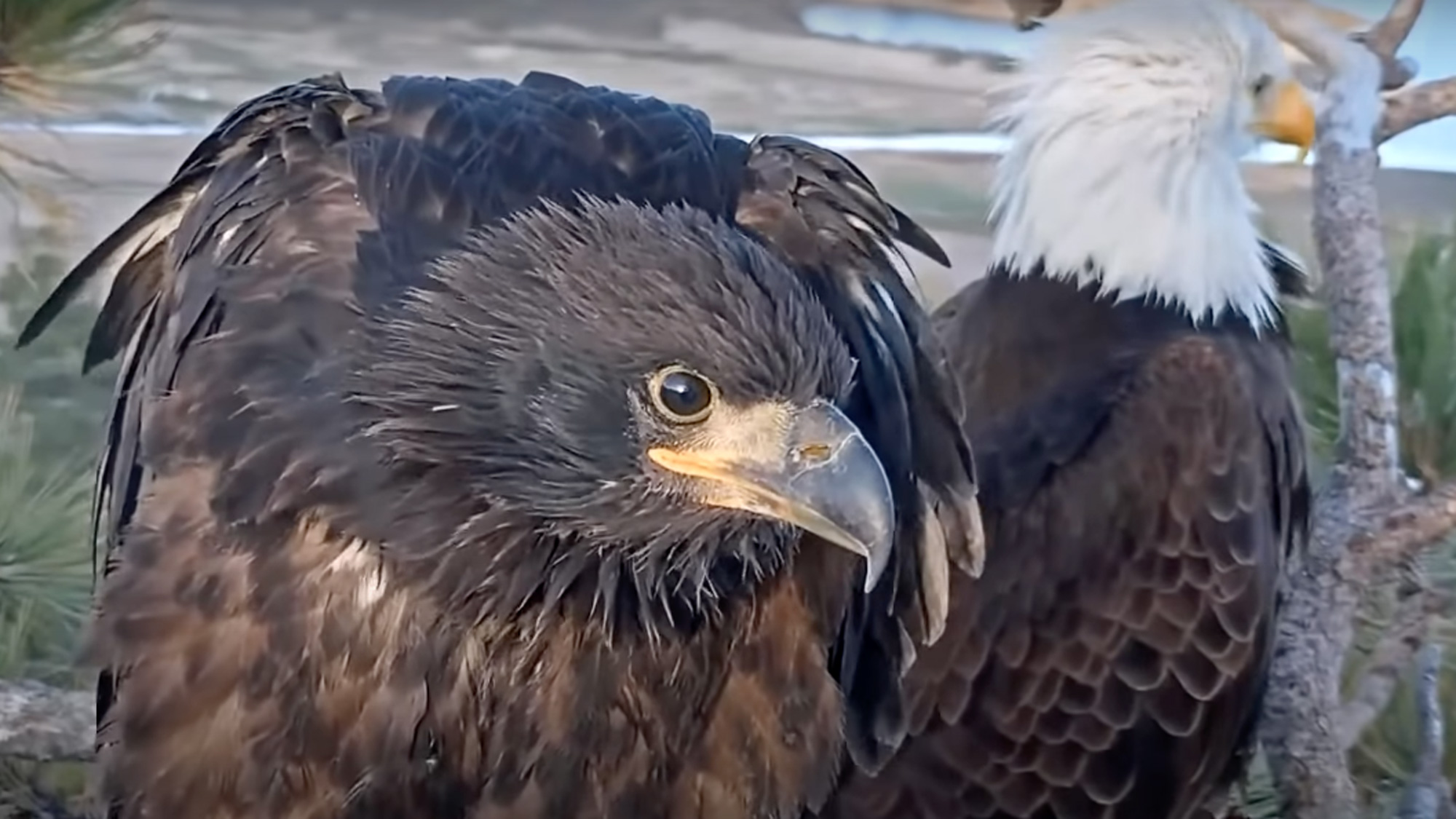
A primary method for tracking individual eagles is through banding. When eagles are young or injured and brought in for rehabilitation, they may be fitted with uniquely numbered bands. This allows researchers to identify them if they are recaptured or sighted. For more precise tracking, especially of migratory patterns or home ranges, GPS tags are invaluable. These small devices, carefully attached to the bird’s back, transmit location data, providing a detailed map of an eagle’s movements over time. If “Spirit” is a known, tagged individual, its current location might be accessible through specific research databases or conservation project updates.
Citizen Science and Observational Data
Beyond formal research, citizen science plays a crucial role. Birdwatching organizations and enthusiasts often report sightings of eagles, noting their locations, behaviors, and any identifying marks or bands. Websites and apps dedicated to birding allow for the logging of such data, creating a valuable, crowdsourced resource. These observations, while not as precise as GPS tracking, can help paint a broader picture of eagle distribution and seasonal movements across California.
Rehabilitation and Release Programs
Eagles that are injured or orphaned are often taken to wildlife rehabilitation centers. These centers provide medical care, assess their suitability for release, and, when healthy, return them to the wild. Often, these birds are released in areas where they have the best chance of survival, which could be their original territory or a suitable new habitat within California. The release location of a rehabilitated eagle named Spirit would provide a strong clue to its current general whereabouts.
Hypothetical Scenarios for Spirit’s Location
Given the ecological profiles of California’s eagles, we can speculate on Spirit’s likely current location based on the time of year and the bird’s species.
Nesting Season (Spring/Summer)
During the nesting season, eagles are typically tied to their breeding territories. This means they will be found near their established nests, often in tall trees or on high cliffs overlooking food sources. For a Bald Eagle, this would likely be near a lake, river, or coastal area with ample fishing opportunities. For a Golden Eagle, it might be in a mountainous region or open country with a reliable supply of small mammals. They will remain relatively stationary, focused on incubating eggs and feeding their young.
Foraging and Post-Breeding Season (Fall/Winter)
As nesting season concludes, eagles may expand their foraging ranges. This is particularly true for juvenile birds seeking their own territories and for adults preparing for the leaner months of winter. In California, this can lead to shifts in distribution. Bald Eagles might congregate in larger numbers around bodies of water where fish become more accessible. Golden Eagles might move to lower elevations or areas with more concentrated prey. While they don’t undertake the long-distance migrations of some birds, local movements driven by food availability are common.
Migration and Dispersal
While many Bald Eagles in California are resident year-round, some northern populations might move south during harsher winters. Golden Eagles, particularly younger ones, can disperse widely in search of suitable territories. If Spirit is a younger bird, its current location might be quite distant from its hatching site as it establishes its independence.
The Enduring Appeal of Wild Eagles
The question of Spirit the eagle’s whereabouts speaks to a broader human fascination with wildlife and the natural world. Eagles, with their powerful flight, keen eyesight, and iconic status, embody freedom and strength. In California, a state renowned for its natural beauty and diverse ecosystems, the presence of these apex predators is a testament to the health of the environment.
Eagles as Indicators of Ecosystem Health
The presence and well-being of eagle populations are often indicators of a healthy ecosystem. Their reliance on clean water, abundant prey, and suitable nesting sites means that declines in eagle numbers can signal environmental problems. Conversely, thriving eagle populations suggest that their habitats are robust and well-managed.

Conservation Efforts and the Future
Conservation efforts in California have been instrumental in the recovery of species like the Bald Eagle, which were once threatened by habitat loss and pesticide use. Ongoing monitoring, habitat protection, and public education are vital to ensuring that eagles like Spirit continue to soar over the Golden State. While the exact location of any individual wild eagle remains a fleeting mystery, the knowledge of their habitats and behaviors allows us to appreciate their presence and advocate for their continued survival. The ongoing story of eagles in California is one of resilience, adaptation, and the enduring power of nature.
LifeOutOfTheBox is a participant in the Amazon Services LLC Associates Program, an affiliate advertising program designed to provide a means for sites to earn advertising fees by advertising and linking to Amazon.com. Amazon, the Amazon logo, AmazonSupply, and the AmazonSupply logo are trademarks of Amazon.com, Inc. or its affiliates. As an Amazon Associate we earn affiliate commissions from qualifying purchases.