
The quest for convenient and cutting-edge charging solutions is a central theme for electric vehicle (EV) owners exploring the vast landscapes of California. For those navigating the Golden State in a Tesla, the Supercharger network is a lifeline, enabling seamless long-distance travel and efficient daily commutes. However, a recent development has sparked considerable interest and a touch of curiosity: the “Magic Dock.” This innovative feature, integrated into select Tesla Superchargers, allows non-Tesla EVs to utilize the high-speed charging infrastructure, democratizing access and expanding the possibilities for EV road trips across California. Identifying these specific charging locations is key to unlocking a new level of travel flexibility.

Understanding the Magic Dock
The introduction of the Magic Dock represents a significant shift in the EV charging landscape. Historically, Tesla Superchargers were exclusive to Tesla vehicles. This exclusivity, while beneficial for Tesla owners, presented a barrier for drivers of other EV brands, particularly those venturing beyond major metropolitan areas where charging infrastructure might be less diverse.
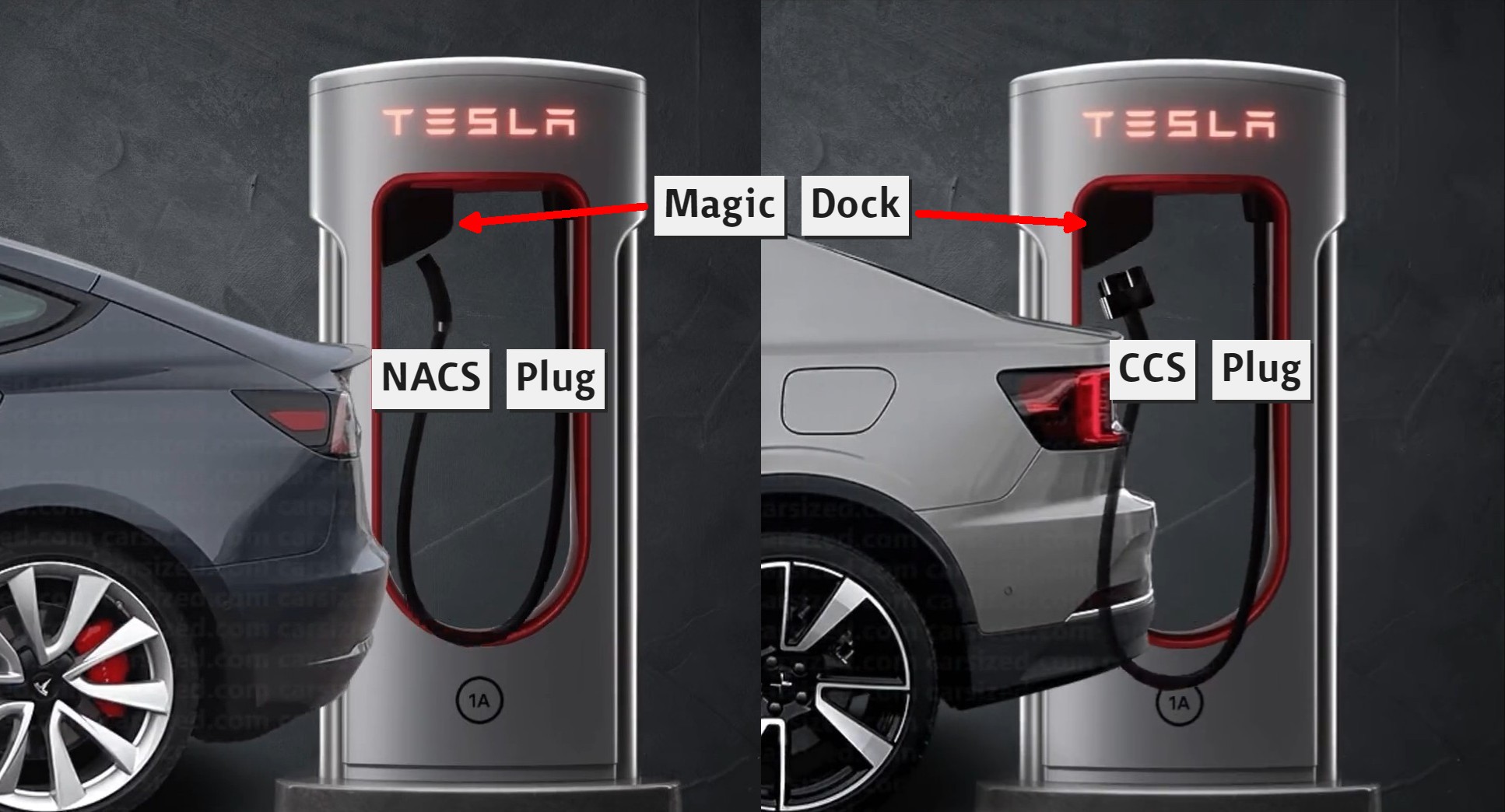
The Magic Dock addresses this by integrating an adapter within the Supercharger connector itself. This ingenious design means that drivers of non-Tesla EVs, such as those from Ford, Chevrolet, or Hyundai, can simply plug in their vehicle without needing a separate, cumbersome adapter. The charging session is initiated and managed through the respective vehicle’s charging app or a dedicated Tesla app feature, ensuring a smooth user experience. This opens up a world of travel possibilities, particularly for longer journeys across California, where reliable and fast charging is paramount. The implications for tourism and travel are substantial, as it reduces range anxiety and broadens the appeal of EV ownership for a wider audience.
How the Magic Dock Works
At its core, the Magic Dock is a sophisticated piece of engineering designed to bridge the communication and power delivery protocols between the Tesla Supercharger network and non-Tesla EV charging standards, primarily the CCS (Combined Charging System). When a non-Tesla vehicle with a CCS port approaches a Supercharger equipped with a Magic Dock, the process is designed to be intuitive.
- Initiation: The driver typically initiates the charging session through their vehicle’s native charging app or the Tesla app, often by selecting the specific Supercharger station and selecting the stall. Payment is handled seamlessly through the app.
- Connection: The non-Tesla driver then connects the Supercharger cable, which features the integrated Magic Dock adapter, to their vehicle’s charging port.
- Communication: The Magic Dock acts as an intermediary, facilitating the handshake between the Supercharger and the vehicle’s onboard charging system. This ensures that the correct charging parameters are established, such as voltage, amperage, and communication protocols.
- Charging: Once communication is established, the Supercharger begins delivering power to the vehicle’s battery, providing a rapid charge that is comparable to what Tesla vehicles experience.
- Completion: The charging session concludes when the vehicle reaches its desired charge level or when the driver manually stops the session via their app. The Magic Dock ensures a clean disconnect, much like a standard charging experience.
This technological integration is not just about convenience; it’s about fostering greater adoption of electric vehicles by addressing a critical bottleneck in the charging infrastructure. For travelers exploring destinations like Yosemite National Park or the scenic coastline of Big Sur, having access to a wider network of high-speed chargers significantly enhances the feasibility and enjoyment of their journeys.
Identifying Magic Dock Locations in California
As the Magic Dock feature is relatively new and being rolled out incrementally, pinpointing its exact locations requires a strategic approach. Tesla is gradually implementing this technology across its Supercharger network, with a notable focus on California due to its status as a leading EV market and a popular tourist destination.
Official Tesla Resources
The most reliable source of information regarding Magic Dock-equipped Superchargers is directly from Tesla itself. The company has begun to update its Supercharger map within the Tesla in-car navigation system and the Tesla mobile app to denote these compatible locations.
- In-Car Navigation: For Tesla owners, the vehicle’s navigation system is the primary tool. When planning a route, the map will display Supercharger icons, and those that support Magic Dock will often be indicated with a specific symbol or informational tooltip. While this primarily benefits Tesla drivers planning their own trips, it indirectly highlights the locations.
- Tesla Mobile App: The Tesla app serves as a comprehensive tool for managing a Tesla vehicle and its charging. Users can browse the Supercharger network on the app, and the interface has been updated to show which stations are open to non-Tesla vehicles via the Magic Dock. Look for specific indicators or filters within the Supercharger map section.
Third-Party EV Charging Apps and Websites
Beyond Tesla’s official channels, a vibrant ecosystem of third-party EV resources has emerged to help drivers find charging stations. These platforms are rapidly adapting to incorporate information about Magic Dock locations.
- PlugShare: This community-driven platform is an invaluable resource for EV drivers of all brands. Users actively contribute reviews, check-ins, and update station status. PlugShare is increasingly featuring information on Superchargers with Magic Dock compatibility, often with user comments detailing their experiences. Searching for Superchargers in California on PlugShare and looking for specific mentions of “Magic Dock” or “CCS compatibility” will yield results.
- A Better Routeplanner (ABRP): A popular tool for planning longer EV journeys, ABRP also integrates data from various charging networks. As the Magic Dock rollout progresses, ABRP is expected to incorporate this information, allowing users to plan routes that utilize these charging points.
- EV-specific News and Forums: EV enthusiast websites, blogs, and online forums are excellent places to find real-time updates and user-reported information. Communities dedicated to specific EV brands or general EV travel in California often have threads discussing the latest Magic Dock locations and user experiences.
Geographic Hotspots for Magic Dock Installations
While the rollout is ongoing, certain areas in California are likely to see a higher concentration of Magic Dock-equipped Superchargers initially. These areas often align with high traffic corridors and popular tourist destinations.
- Major Metropolitan Areas: Cities like Los Angeles, San Francisco, San Diego, and the surrounding regions are prime candidates for early Magic Dock deployment. These urban centers have a high density of EVs and are frequent starting or ending points for longer trips.
- Interstate Corridors: Key highways such as I-5, I-10, and US-101, which connect major cities and serve as arteries for cross-state travel, are likely to be prioritized for Supercharger upgrades. Travelers heading to or from Nevada or Oregon via these routes will find these stations particularly useful.
- Popular Tourist Destinations: Areas that attract significant tourist traffic, including national parks like Yosemite National Park, Joshua Tree National Park, and coastal regions like Monterey and the Napa Valley, are also likely to see increased Supercharger availability with Magic Dock functionality to cater to a wider range of visitors.
Planning Your California EV Adventure with Magic Dock
The advent of the Magic Dock transforms the way one can plan an EV road trip through California. It removes a significant layer of complexity and opens up a wealth of new possibilities for exploration, ensuring that the journey is as seamless and enjoyable as the destination.
Expanding Travel Horizons
For drivers of non-Tesla EVs, the Magic Dock essentially expands their charging radius significantly. Instead of relying solely on the CCS charging network, which can sometimes be sparse in certain regions, they can now tap into the robust and strategically placed Tesla Supercharger network. This is particularly beneficial for:
- Off-the-Beaten-Path Destinations: Exploring lesser-known towns or natural wonders that might not have extensive CCS charging infrastructure becomes more feasible.
- Spontaneous Road Trips: The ability to charge at a wider range of locations reduces the need for meticulous pre-planning, allowing for more spontaneous adventures across California.
- Cross-State Travel: Journeying to neighboring states like Arizona or back up into Oregon becomes more convenient with access to Tesla’s extensive network.
Strategic Itinerary Planning
When planning a trip that leverages Magic Dock locations, consider these tips:
- Verify Compatibility: Always double-check the specific Supercharger station’s compatibility using the Tesla app or reliable third-party resources before relying on it. While Tesla is expanding, not all Superchargers are equipped with the Magic Dock.
- Check for Amenities: Many Tesla Supercharger locations are situated near amenities such as shopping centers, restaurants, or rest stops. Planning your charging stops around these can make the waiting time more productive and enjoyable, whether you’re grabbing a coffee in Santa Barbara or enjoying a meal near Sacramento.
- Understand Charging Speeds: While Superchargers are designed for rapid charging, actual speeds can vary based on the vehicle’s charging capacity, battery temperature, and the specific Supercharger V3 or V4 unit. Familiarize yourself with your vehicle’s maximum charging rate.
- Utilize the Tesla App for Non-Teslas: For non-Tesla drivers, downloading and familiarizing yourself with the Tesla app is crucial for initiating and managing charging sessions at Magic Dock locations.
The Future of EV Travel in California
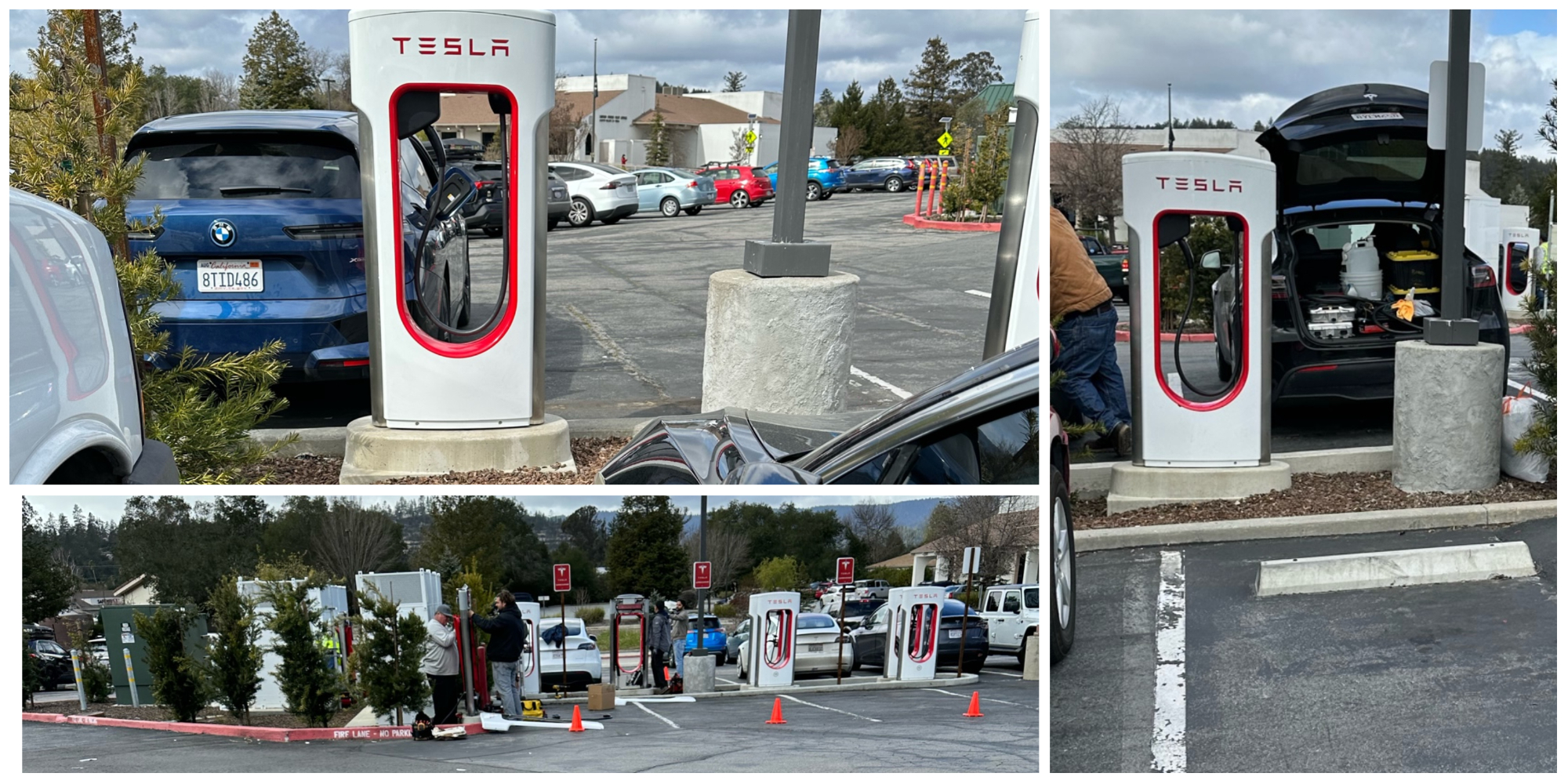
The integration of the Magic Dock at Tesla Superchargers in California marks a significant step towards a more unified and accessible electric vehicle ecosystem. This move not only benefits drivers of non-Tesla EVs but also promotes the broader adoption of electric transportation by reducing infrastructure fragmentation. As more Superchargers are equipped with this technology, California will become an even more inviting destination for EV travelers, encouraging exploration of its diverse landscapes, from the beaches of Southern California to the mountains of the Sierra Nevada.
Driving Innovation and Accessibility
Tesla’s decision to open its Supercharger network, even in a phased manner, is a testament to the evolving nature of the EV market. This collaborative approach fosters innovation and accelerates the transition to sustainable transportation. For travelers, it means increased freedom, reduced range anxiety, and the ability to experience the Golden State with greater ease and confidence. The Magic Dock is more than just a piece of hardware; it’s a key that unlocks a more inclusive and expansive future for electric vehicle travel in California and beyond. As the network continues to grow and evolve, staying informed about the latest updates will be key to maximizing the benefits of this groundbreaking technology for your next adventure.
LifeOutOfTheBox is a participant in the Amazon Services LLC Associates Program, an affiliate advertising program designed to provide a means for sites to earn advertising fees by advertising and linking to Amazon.com. Amazon, the Amazon logo, AmazonSupply, and the AmazonSupply logo are trademarks of Amazon.com, Inc. or its affiliates. As an Amazon Associate we earn affiliate commissions from qualifying purchases.