
The question of whether Kaiser Permanente operates in Texas is a pertinent one for individuals seeking healthcare services within the Lone Star State. While Kaiser Permanente is a well-established and highly regarded integrated managed care organization, its presence is geographically specific and has historically concentrated in certain regions of the United States. Understanding its operational footprint is crucial for making informed decisions about healthcare providers, especially when considering relocating or seeking specialized medical care.
Kaiser Permanente’s National Presence
Kaiser Permanente is a distinctive healthcare system that operates as a non-profit organization. Its model emphasizes integrated care, meaning that it owns and operates its own hospitals, medical offices, and pharmacies, and employs its own physicians and healthcare professionals. This integrated approach aims to coordinate patient care seamlessly, from preventive services to specialized treatments.
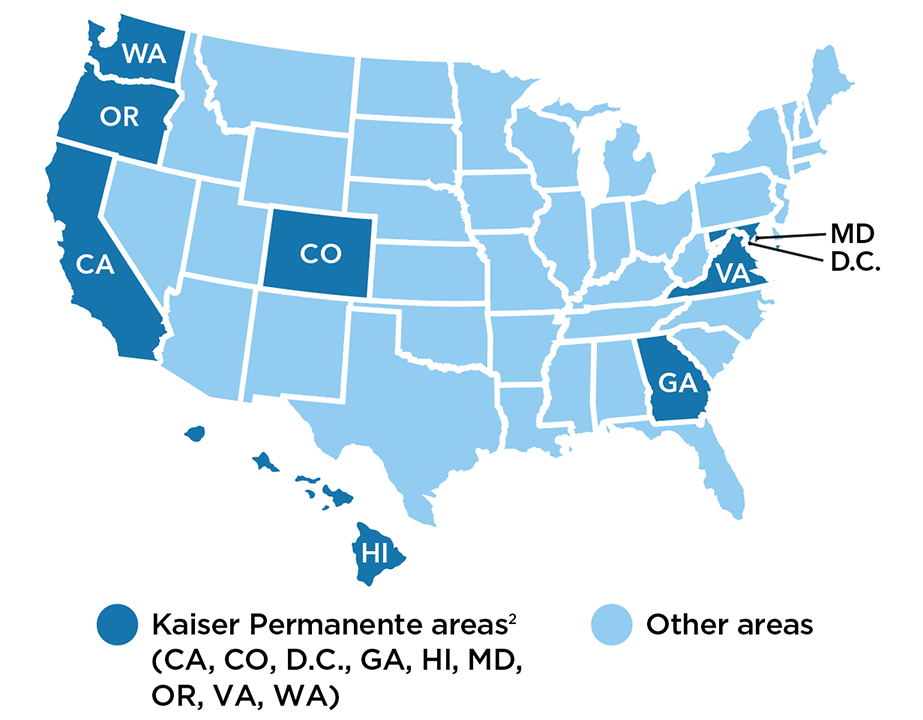
The organization’s operational reach is currently concentrated in eight states and the District of Columbia. These areas include:
- California
- Colorado
- Georgia
- Hawaii
- Oregon
- Virginia
- Washington
- Maryland
- Washington, D.C.
Within these regions, Kaiser Permanente offers a comprehensive range of health plans and medical services to millions of members. The success and widespread recognition of the organization in these areas often lead to inquiries about its availability in other states, such as Texas.
The Absence of Kaiser Permanente in Texas
As of the current operational landscape, Kaiser Permanente does not have a direct presence or offer its integrated healthcare services within the state of Texas. This means that individuals residing in or traveling to Texas cannot enroll in a Kaiser Permanente health plan or receive care directly from Kaiser Permanente physicians or facilities within the state.
The reasons for Kaiser Permanente’s non-operation in Texas are multifaceted and typical for large healthcare organizations. Expanding into new states involves significant investment, regulatory compliance, establishing a vast network of providers, and navigating the existing healthcare market dynamics. Kaiser Permanente’s strategic decisions regarding expansion are often based on market analysis, operational feasibility, and long-term growth objectives. Texas, with its unique healthcare infrastructure and competitive landscape, may not have aligned with their immediate expansion strategies.
Healthcare Alternatives in Texas
For residents of Texas who are seeking comprehensive and high-quality healthcare, the state offers a robust and diverse array of options. The Texas healthcare market is characterized by numerous well-respected health insurance providers and a strong network of hospitals, clinics, and individual medical practices.
Major Health Insurance Providers in Texas

When Kaiser Permanente is not an option, individuals can explore plans from other leading insurance companies that serve the Texas market. Some of the prominent providers include:
- Blue Cross and Blue Shield of Texas: A widely recognized name in health insurance, offering a broad range of plans across the state.
- Aetna: Another major national insurer with a significant presence in Texas, providing various health plan options.
- UnitedHealthcare: A comprehensive healthcare company offering health insurance and services to individuals and employers in Texas.
- Cigna: Known for its network of doctors and hospitals, Cigna offers diverse health insurance products.
- Humana: While its presence might vary by region, Humana also offers health plans and services in parts of Texas.
- Ambetter from Superior HealthPlan: Specifically focused on providing plans through the Affordable Care Act marketplace, serving eligible individuals and families in Texas.
These providers typically offer a variety of plan types, including:
- HMO (Health Maintenance Organization): Often requires selecting a primary care physician and getting referrals to see specialists.
- PPO (Preferred Provider Organization): Offers more flexibility in choosing doctors and specialists, both in-network and out-of-network, though out-of-network care is more expensive.
- EPO (Exclusive Provider Organization): Combines features of HMOs and PPOs, generally requiring members to stay within a network of providers, except in emergencies.
- POS (Point of Service): A hybrid plan that allows some flexibility to use out-of-network providers, often with higher costs.
Notable Healthcare Systems in Texas
Texas boasts some of the nation’s leading healthcare systems, renowned for their medical expertise, cutting-edge technology, and extensive network of facilities. These systems provide comprehensive care across a wide spectrum of medical needs.
- Texas Health Resources: A large, faith-based, nonprofit healthcare system serving North Texas, with numerous hospitals and clinics.
- Baylor Scott & White Health: The largest not-for-profit healthcare system in Texas, offering a full continuum of care from primary to specialized services.
- MD Anderson Cancer Center: Located in Houston, this is a world-leading center for cancer treatment and research.
- UT Health Science Center at Houston: A major academic health center providing a wide range of medical services and leading research initiatives.
- Methodist Health System: A prominent health system in the Dallas-Fort Worth metroplex, known for its patient-centered care.
- HCA Healthcare: Operates numerous hospitals and facilities across Texas, contributing significantly to the state’s healthcare infrastructure.
These systems often have affiliations with major insurance plans, making it possible for Texas residents to access excellent care through their chosen insurance provider.
Navigating Healthcare in Texas
For individuals relocating to Texas or seeking new healthcare coverage, the process involves careful consideration of personal health needs, financial circumstances, and the available provider networks.
Key Considerations for Texas Residents:
- Insurance Enrollment: The Affordable Care Act marketplace (Healthcare.gov) is a primary avenue for individuals and families to find health insurance plans if they do not have coverage through an employer or government program like Medicare or Medicaid. Open enrollment periods are critical for making changes or enrolling.
- Network Adequacy: When choosing a plan, it is vital to verify that your preferred doctors, hospitals, and specialists are within the insurance provider’s network. This is especially important for individuals with ongoing medical conditions or those who require specialized care.
- Understanding Benefits: Carefully review the details of any health plan, including deductibles, copayments, coinsurance, out-of-pocket maximums, and coverage for prescription drugs and specific medical services.
- Primary Care Physician: Establishing a relationship with a primary care physician (PCP) is fundamental for ongoing health management. Your PCP can coordinate your care and refer you to specialists when needed.
- Urgent and Emergency Care: Familiarize yourself with the process for accessing urgent care centers and emergency rooms in Texas, understanding when to use each service and how your insurance plan covers these visits.
While Kaiser Permanente’s absence in Texas may be a point of consideration for some, the state’s dynamic healthcare landscape ensures that residents have access to a wide range of quality providers and insurance options to meet their diverse healthcare needs. Thorough research and an understanding of the available resources are key to navigating the Texas healthcare system effectively.
LifeOutOfTheBox is a participant in the Amazon Services LLC Associates Program, an affiliate advertising program designed to provide a means for sites to earn advertising fees by advertising and linking to Amazon.com. Amazon, the Amazon logo, AmazonSupply, and the AmazonSupply logo are trademarks of Amazon.com, Inc. or its affiliates. As an Amazon Associate we earn affiliate commissions from qualifying purchases.