
The question “Where were the California fires?” is one that resonates deeply with many, evoking images of dramatic landscapes and challenging circumstances. For those planning a visit to the Golden State, understanding the geographical impact of past fires is crucial not only for safety but also for appreciating the resilience and ongoing recovery of its diverse regions. This exploration delves into the primary areas affected by significant wildfires in California, focusing on the landmarks, natural attractions, and the broader tourism landscape that has been shaped by these events.
Understanding California’s Wildfire Landscape
California is a vast and geographically diverse state, prone to wildfires due to its Mediterranean climate, which features hot, dry summers and abundant natural fuel sources. Understanding the patterns and typical locations of these fires is key for any traveler. While the term “California fires” might conjure a single image, the reality is a complex interplay of weather patterns, vegetation types, and human activity that leads to fires across the state.
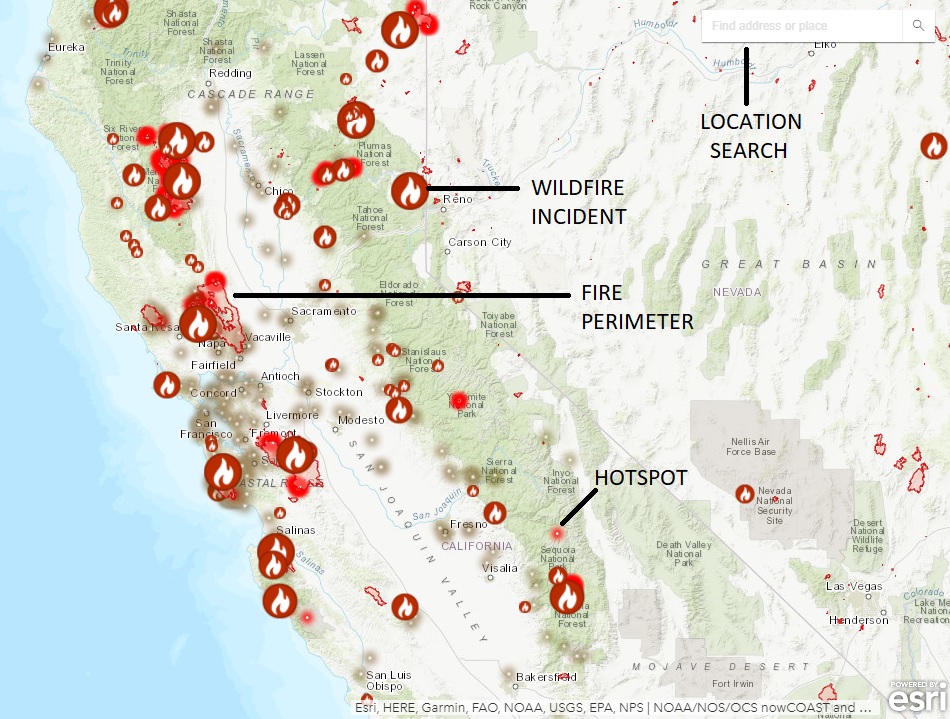
Key Regions Prone to Wildfires
Certain geographical features and climatic conditions make specific regions more susceptible to large-scale fires. These include:
- Southern California Mountains and Foothills: Areas like the San Gabriel Mountains, Santa Monica Mountains, and the hills surrounding the Los Angeles basin and San Diego are frequently impacted. The chaparral and coastal sage scrub vegetation in these areas dries out quickly, acting as highly flammable fuel. The Santa Ana winds, hot, dry offshore winds that blow in the fall and winter, can rapidly spread fires through these regions.
- Sierra Nevada Foothills and Mountains: This iconic mountain range, home to Yosemite National Park and Lake Tahoe, experiences significant fire activity, particularly during late summer and early fall. The dense forests of pine, fir, and sequoia provide ample fuel, and lightning strikes are a common ignition source.
- Northern California’s Coastal Ranges and Inland Forests: Regions north of San Francisco, including areas in Mendocino County and Sonoma County, as well as the vast forested areas further inland, have also seen devastating fires. These areas often have dense vegetation and can be affected by dry conditions.
- Central Valley Peripheries: While the flat agricultural lands of the Central Valley itself are less prone to large, fast-moving wildfires, the adjacent foothills and grasslands can burn, especially during dry periods.
Factors Influencing Fire Location and Severity
Several factors contribute to where and how intensely fires burn in California:
- Weather Patterns: Drought conditions, high temperatures, low humidity, and strong winds (like the Santa Anas) are primary drivers of fire ignition and spread.
- Vegetation Type and Condition: The type of plant life and its moisture content are critical. Dry grasses, chaparral, and dense coniferous forests are particularly susceptible.
- Topography: Steep slopes can accelerate fire spread uphill.
- Ignition Sources: These can be natural (lightning) or human-caused (campfires, equipment malfunctions, arson).
Navigating Affected Destinations: A Traveler’s Perspective
For travelers, understanding where fires have occurred is important for planning itineraries, choosing accommodations, and staying informed about current conditions. While the impact can be significant, it’s also vital to recognize the ongoing efforts in fire prevention, suppression, and landscape restoration that allow many of these beautiful areas to remain accessible and vibrant for tourism.
Iconic Landscapes and Fire Impact

Many of California’s most treasured landmarks and natural attractions are located in or adjacent to areas that have experienced wildfires.
- National Parks and Forests: Parks like Yosemite, Sequoia and Kings Canyon National Parks, and national forests across the state are often in fire-prone zones. While fires can affect access and air quality, they are also a natural part of the ecosystem. For instance, prescribed burns are sometimes used to manage forest health and reduce the risk of larger, uncontrollable fires. Visitors to these areas are encouraged to check park websites for current alerts, closures, and fire advisories. The National Park Service actively manages these lands, with fire being one of the ecological processes they consider.
- Coastal Regions: While the immediate coast is generally less prone to large wildfires than inland mountains, coastal communities and their surrounding wildlands can be impacted, particularly in Southern California. Fires in the Santa Monica Mountains, for example, can affect air quality in nearby Los Angeles and Malibu.
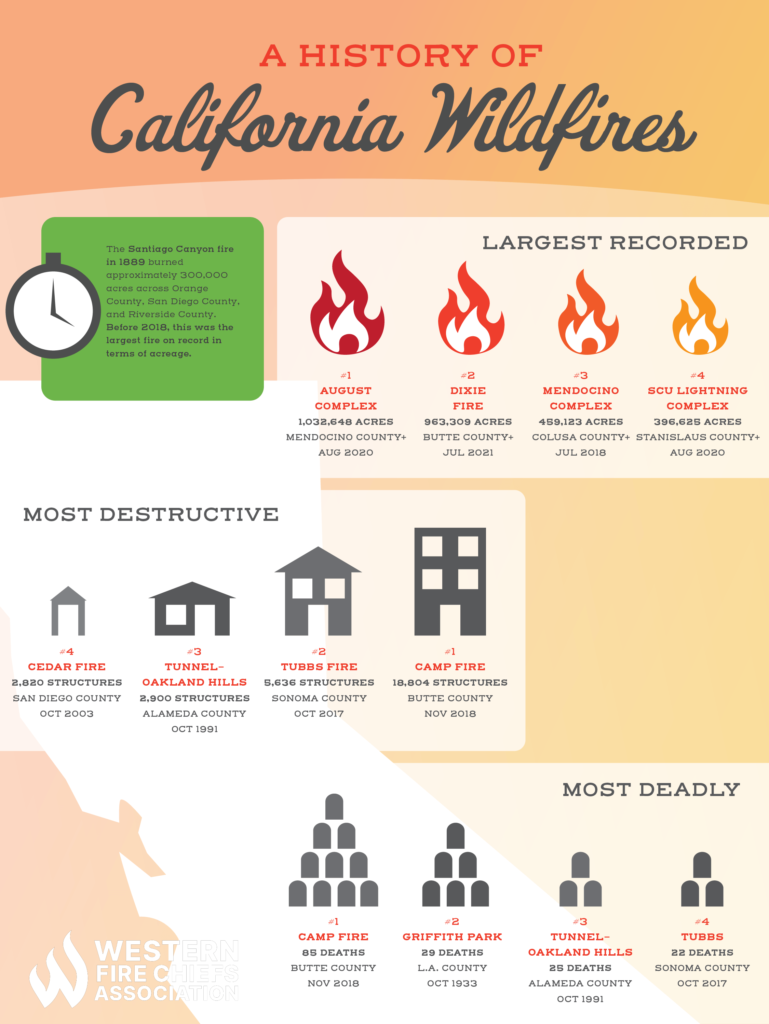
- Wine Country: The renowned wine regions of Napa Valley and Sonoma County have experienced devastating fires in recent years. These events have had a profound impact on vineyards, wineries, and local communities. However, the spirit of this region is resilient, with many wineries rebuilding and continuing to welcome visitors. The focus is often on the recovery of these iconic vineyards and the unique experiences they offer.
Planning Your Trip with Fire Awareness
When planning a trip to California, especially during the drier months (typically late spring through fall), it’s prudent to incorporate fire awareness into your planning:
- Check Current Conditions: Before and during your trip, consult official sources for real-time fire information. Websites like Cal Fire and the U.S. Forest Service provide detailed maps of active fires, air quality advisories, and evacuation orders.
- Air Quality: Wildfires can significantly impact air quality, even at considerable distances from the fire itself. Check the AirNow.gov website or local air quality management districts for real-time air quality indexes. If air quality is poor, consider indoor activities or modifying your outdoor plans.
- Travel Advisories: Be aware of any road closures or advisories issued by local authorities or the California Department of Transportation (Caltrans).
- Understand the Seasonality: While fires can occur year-round, the risk is highest during dry seasons. Planning your visit during periods of lower fire risk, if possible, can be beneficial.
Resilience and Recovery: The Enduring Appeal of California’s Landscapes
Despite the challenges posed by wildfires, California’s diverse landscapes and vibrant tourism industry continue to draw visitors from around the globe. The narrative of the “California fires” is not solely one of destruction, but also of resilience, community spirit, and the ongoing efforts to protect and restore these precious natural environments.
Supporting Affected Communities and Businesses
For travelers who wish to contribute positively, consider supporting businesses in areas that have been impacted by fires. Many local operators, including hotels, restaurants, and tour guides, are eager to welcome visitors and benefit from their patronage.
- Lodging Options: From boutique hotels in Napa Valley to resorts in the Sierra Nevada, the state offers a wide range of accommodations. Choosing to stay in areas that have recently experienced fires can be a direct way to support their economic recovery.
- Local Experiences: Engaging in local tours, visiting farmers’ markets, and dining at locally owned restaurants are excellent ways to experience the culture and support the economy of communities that have faced adversity.
The Natural Cycle of Fire and Renewal
It’s important for travelers to understand that fire is a natural part of many California ecosystems. While devastating when uncontrolled, fire can also play a role in forest health, clearing undergrowth and promoting new growth. Many areas, once scorched, begin a remarkable process of renewal, with wildflowers often blooming in the wake of fires, showcasing nature’s persistent ability to regenerate. This cyclical nature is a testament to the wildness and enduring beauty of California.
The question “Where were the California fires?” is best answered by recognizing that they have touched many parts of this expansive and beautiful state. For the discerning traveler, this understanding fosters a deeper appreciation for California’s natural wonders, its resilient communities, and the dynamic, ever-changing landscape that makes it such a compelling destination. By staying informed and traveling mindfully, visitors can continue to experience the magic of California while respecting and supporting its incredible natural heritage.
LifeOutOfTheBox is a participant in the Amazon Services LLC Associates Program, an affiliate advertising program designed to provide a means for sites to earn advertising fees by advertising and linking to Amazon.com. Amazon, the Amazon logo, AmazonSupply, and the AmazonSupply logo are trademarks of Amazon.com, Inc. or its affiliates. As an Amazon Associate we earn affiliate commissions from qualifying purchases.