
The realm of veterinary medicine in California is governed by a comprehensive set of laws and regulations designed to protect animal health and public safety. Among the many treatments and procedures a veterinarian might administer, the use of methylsulfonylmethane (MSM) warrants specific consideration within this legal framework. While MSM is widely recognized for its potential therapeutic benefits, particularly in managing pain and inflammation associated with osteoarthritis in animals, understanding who is legally permitted to prescribe and administer it in California is crucial for both veterinarians and pet owners.
Understanding MSM and its Application in Veterinary Practice
Methylsulfonylmethane (MSM) is an organosulfur compound that occurs naturally in plants, animals, and humans. It is a popular dietary supplement, often lauded for its anti-inflammatory and antioxidant properties. In veterinary medicine, MSM is frequently used as an adjunct therapy for conditions such as arthritis, joint pain, and other inflammatory ailments in animals, including dogs, cats, and horses. Its purported benefits include reducing joint inflammation, improving mobility, and alleviating pain, thereby enhancing the quality of life for affected animals.
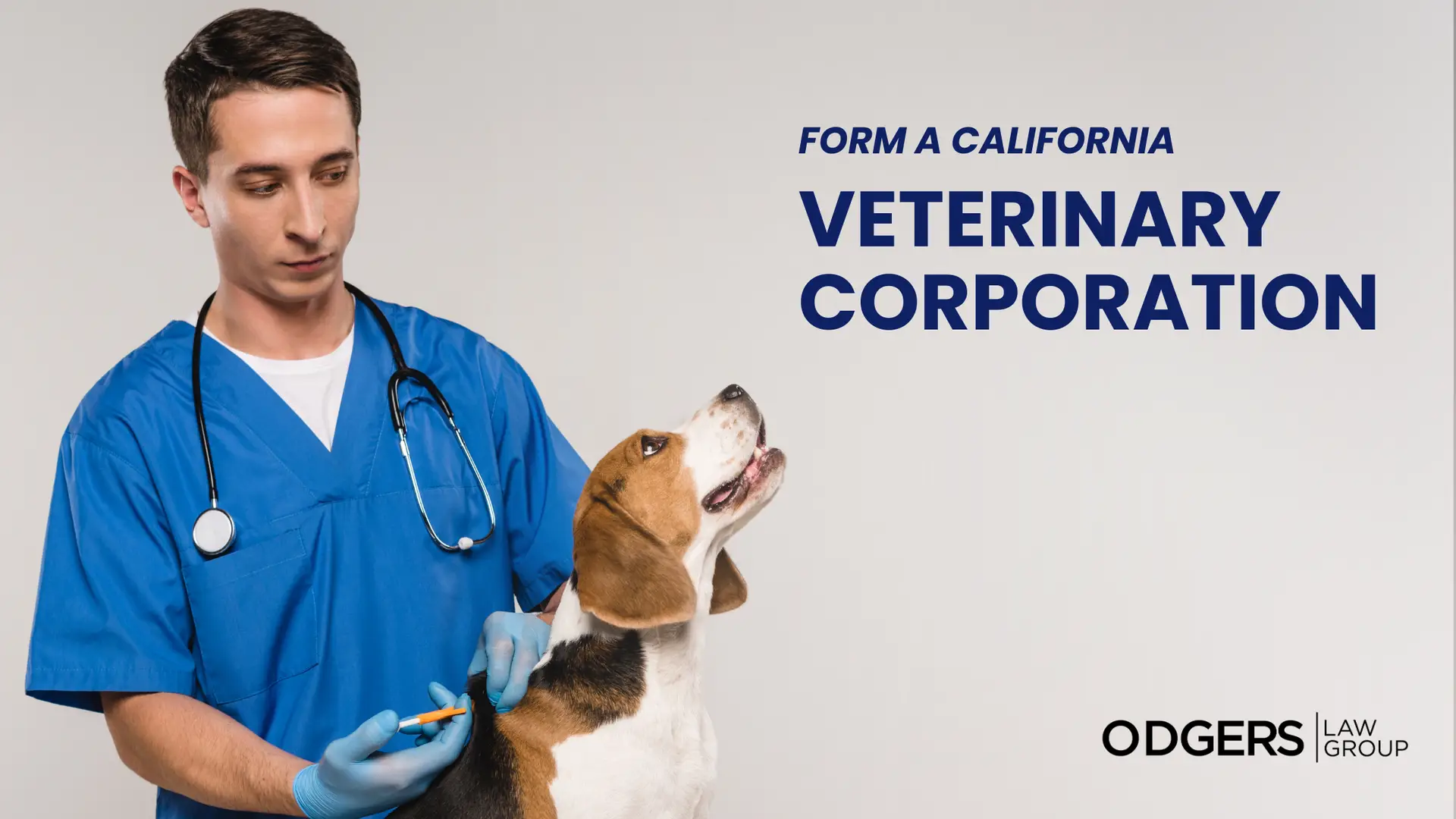
The administration of MSM can take various forms, including oral supplements (powders, capsules, liquids) and topical applications. The dosage and formulation are typically tailored to the individual animal’s species, size, age, and specific health condition. As with any therapeutic agent, proper diagnosis and veterinary oversight are paramount to ensure efficacy and safety.
The Role of Licensed Veterinarians in California
Under California veterinary law, the practice of veterinary medicine is strictly regulated by the Veterinary Medical Board of California. This board is responsible for licensing, regulating, and disciplining veterinarians and veterinary technicians. The primary purpose of these regulations is to safeguard animal welfare and protect the public from unqualified practitioners.
Licensing and Scope of Practice
To practice veterinary medicine in California, individuals must obtain a license from the Veterinary Medical Board of California. Licensed veterinarians are educated and trained to diagnose, treat, and prevent animal diseases, injuries, and conditions. Their scope of practice includes prescribing medications, performing surgery, and recommending therapeutic interventions.
When it comes to treatments like MSM, a licensed veterinarian is the sole authority qualified to:
- Diagnose the underlying condition: A veterinarian must first accurately diagnose the animal’s ailment, confirming whether MSM is an appropriate treatment. This involves a thorough physical examination, potentially diagnostic imaging, and laboratory tests.
- Determine the necessity and efficacy of MSM: Based on their professional judgment and scientific evidence, a veterinarian assesses whether MSM is likely to be beneficial for the specific patient and their condition.
- Prescribe the correct dosage and formulation: The veterinarian calculates the appropriate dosage of MSM, considering factors such as the animal’s weight, species, and overall health status. They also advise on the best form of administration (e.g., powder mixed with food, liquid, topical cream).
- Provide instructions for administration: Clear instructions on how and when to administer the supplement are provided to the owner, along with potential side effects to monitor.
- Monitor the animal’s response: The veterinarian schedules follow-up appointments to evaluate the effectiveness of the MSM treatment and make any necessary adjustments.
Legal Implications of Unlicensed Practice
Attempting to diagnose, treat, or prescribe any medication, including supplements like MSM, without a valid veterinary license in California constitutes the illegal practice of veterinary medicine. This can carry severe penalties, including fines and legal action, and more importantly, poses significant risks to animal health. An unlicensed individual may lack the knowledge to correctly diagnose conditions, administer appropriate dosages, or recognize adverse reactions, potentially leading to harm or delayed proper treatment for the animal.
Can Veterinary Technicians Administer MSM?
Veterinary technicians play a vital role in supporting licensed veterinarians. Under the direct supervision of a licensed veterinarian, veterinary technicians can perform a range of tasks. Their scope of practice is defined by California law and is generally limited to tasks delegated by a veterinarian.

The Role of Veterinary Technicians
While veterinary technicians are highly skilled and educated, they cannot independently prescribe or diagnose. Their involvement with MSM treatment would typically fall under these categories:
- Administering prescribed treatments: If a veterinarian prescribes MSM, a veterinary technician may be authorized to administer it to the animal in a veterinary clinic setting. This could include mixing it into food or administering it as part of a therapeutic procedure under direct supervision.
- Educating owners on administration: Veterinary technicians can be instrumental in educating pet owners on how to administer prescribed MSM at home, demonstrating proper techniques and answering questions, all based on the veterinarian’s prescription and instructions.
- Monitoring and reporting: They can observe animals for any signs of improvement or adverse reactions to MSM and report these findings to the supervising veterinarian.
It is crucial to remember that the ultimate responsibility for diagnosing, prescribing, and overseeing the treatment plan, including the use of MSM, rests solely with the licensed veterinarian. Veterinary technicians act as extensions of the veterinarian’s care, operating within clearly defined boundaries.
Considerations for Pet Owners Regarding MSM Treatment
For pet owners seeking to improve their animal’s health with MSM, understanding the legal pathway is essential for ensuring safe and effective care.
Seeking Professional Veterinary Advice
The first and most critical step for any pet owner considering MSM treatment is to consult with a licensed veterinarian. This is not merely a recommendation; it is the legally mandated and medically sound approach. A veterinarian can:
- Perform a comprehensive health assessment: This ensures that the animal’s symptoms are not indicative of a more serious underlying condition that requires a different or more immediate treatment.
- Discuss the evidence for MSM: A veterinarian can provide informed opinions on the current scientific evidence supporting the use of MSM for the specific condition an animal presents with.
- Advise on alternatives: If MSM is not deemed suitable, the veterinarian can discuss other therapeutic options.
- Source quality products: Veterinarians can guide owners toward reputable sources of veterinary-grade MSM supplements, ensuring purity and accurate labeling, which can be a concern with products purchased over-the-counter without professional vetting.
The Importance of Veterinary-Client-Patient Relationship (VCPR)
In California, as in most jurisdictions, a valid Veterinary-Client-Patient Relationship (VCPR) is a prerequisite for a veterinarian to prescribe medication or treatments. This relationship is established when a veterinarian has:
- A veterinarian has recently seen the animal and has a record of a relevant medical history.
- The veterinarian has assumed responsibility for the animal’s health.
- The client (pet owner) has agreed to follow the veterinarian’s instructions.
Without an established VCPR, a veterinarian cannot legally prescribe or dispense MSM, even if they believe it would be beneficial. This underscores the importance of regular veterinary check-ups and maintaining open communication with your veterinarian.

Conclusion: Upholding Professional Standards for Animal Well-being
In California, the implementation of MSM treatment, like any other medical intervention for animals, falls squarely within the purview of licensed veterinarians. Their extensive training, diagnostic capabilities, and adherence to the stringent regulations set forth by the Veterinary Medical Board of California ensure that animals receive appropriate, safe, and effective care. While the potential benefits of MSM are recognized, its application must always be guided by professional expertise. Pet owners play a crucial role by engaging with licensed veterinarians, establishing a VCPR, and following their medical advice to uphold the highest standards of animal health and well-being. The legal framework in California is designed to protect animals, and understanding who can implement treatments like MSM is a vital component of that protective system.
LifeOutOfTheBox is a participant in the Amazon Services LLC Associates Program, an affiliate advertising program designed to provide a means for sites to earn advertising fees by advertising and linking to Amazon.com. Amazon, the Amazon logo, AmazonSupply, and the AmazonSupply logo are trademarks of Amazon.com, Inc. or its affiliates. As an Amazon Associate we earn affiliate commissions from qualifying purchases.