
The question of whether a fire has “stopped” in California is a dynamic one, perpetually evolving with the winds, the weather, and the relentless efforts of thousands. While the immediate, dramatic headlines might recede, the aftermath of wildfires, particularly in a state as vast and ecologically diverse as California, often leaves a lingering impact that shapes travel experiences, local communities, and the very landscape for months and even years. This exploration delves into the nuances of fire containment and its profound implications for those planning a visit, exploring its natural wonders, or seeking authentic local experiences.
Understanding Fire Containment and Its Impact on Travel
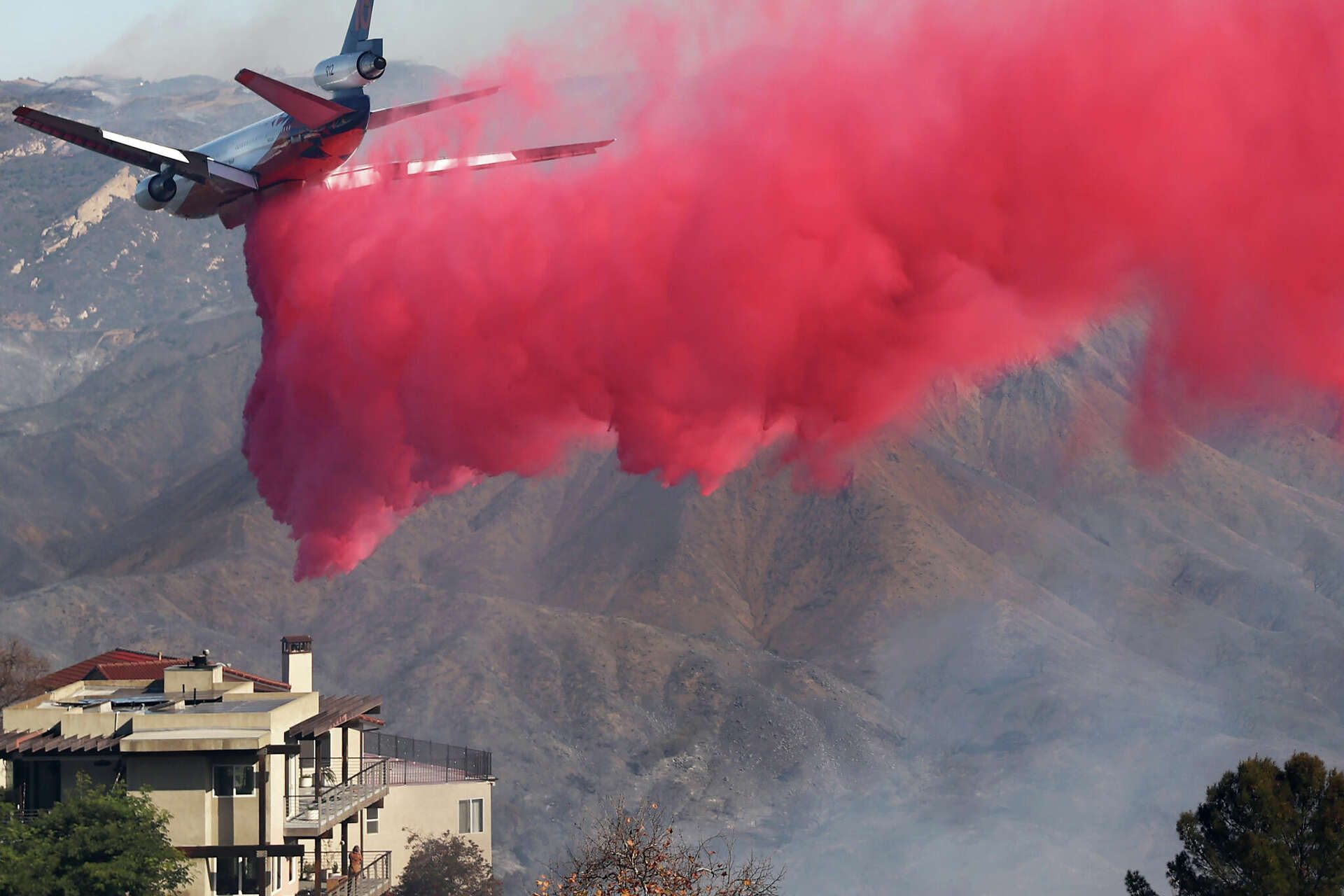
The term “containment” in firefighting refers to the percentage of a fire’s perimeter that is considered secured, preventing further spread. A fire is considered “controlled” when it is no longer expected to spread, and “out” when it is completely extinguished. However, these are often technical designations, and the reality on the ground for a traveler can be far more complex. Even a “contained” fire can produce smoke that drifts for hundreds of miles, impacting air quality and visibility.
Air Quality and Visibility: A Primary Concern
Smoke from wildfires is a significant factor for any traveler considering visiting affected regions. National and state park websites, as well as local news outlets, often provide real-time air quality indexes. For instance, during periods of significant wildfire activity, popular destinations like Yosemite National Park or the Sierra Nevada might experience hazy skies, reducing the breathtaking vistas that draw visitors. This can transform a planned scenic drive into a muted experience, impacting photography and the overall aesthetic enjoyment of the landscape.
- Monitoring Air Quality: Travelers should routinely check resources like AirNow.gov or local air district websites for current conditions. Recommendations often include limiting outdoor strenuous activity when the Air Quality Index (AQI) reaches unhealthy levels.
- Impact on Activities: Hiking trails, camping sites, and outdoor adventure operators can be directly affected. Smoke can make strenuous activities uncomfortable and even dangerous. Popular coastal destinations, while geographically distant from the fire’s origin, can still experience smoke plumes, affecting beach days and outdoor dining.
- Travel Adjustments: In some cases, travelers may need to adjust itineraries, opting for indoor attractions or postponing outdoor excursions until air quality improves. Flexibility is key when planning trips during fire season.
Road Closures and Access Restrictions
Wildfires often necessitate road closures to allow fire suppression efforts and to ensure public safety. These closures can impact travel routes, potentially forcing detours and significantly lengthening journey times. For example, a planned scenic route through the Big Sur coastline might be interrupted by closures related to fires in the Santa Lucia Mountains.
- Planning Detours: It is crucial to check Caltrans, the California Department of Transportation, for real-time road closure information before and during your trip.
- Impact on National and State Parks: Access to many parks and recreational areas can be completely shut down during active fire events, even if the fire itself isn’t directly within the park boundaries, due to smoke, safety concerns, or the need for fire crews to utilize park roads.
- Rerouting and Time Management: Be prepared for potential rerouting. This can mean sacrificing planned stops or experiencing a more rushed itinerary. Booking accommodations with flexible cancellation policies can also provide peace of mind.
Evacuation Orders and Their Ripple Effects
Evacuation orders, the most direct indication of a fire’s immediate threat, can have far-reaching consequences for travelers, even those not directly in the path of the flames.
- Impact on Accommodation: Hotels and other lodging in or near evacuated areas can become unavailable or repurposed for emergency personnel. Travelers booked in these locations will inevitably face cancellations and the challenge of finding alternative accommodations. This can be particularly difficult during peak travel seasons or major events.
- Disruption to Local Services: When communities are evacuated, local businesses – from restaurants to tour operators – are forced to close. This not only impacts the visitor experience but also the economic well-being of these communities.
- Emotional and Psychological Impact: Even for those not directly threatened, the presence of active fires and evacuation orders can create a sense of unease and impact the overall mood of a destination.
The Long-Term Landscape: Recovery and New Attractions
While the immediate cessation of active flames is cause for relief, the true “stopping” of a fire’s impact is a much longer process. The post-fire landscape presents both challenges and unexpected opportunities for exploration and appreciation.
Ecological Recovery and Natural Regeneration
Wildfires are a natural part of many ecosystems, including those in California. While destructive, they can also be agents of renewal.
- New Growth and Biodiversity: In the months and years following a fire, visitors might witness the remarkable process of ecological recovery. Certain plant species, like the iconic redwood trees, are remarkably fire-resilient. Others, like certain types of chaparral, require fire to germinate their seeds.
- Unique Viewing Opportunities: Areas that have experienced controlled burns or less severe wildfires can offer unique viewing opportunities. The stark beauty of a blackened landscape punctuated by vibrant new green shoots can be a powerful and moving sight. Some nature enthusiasts specifically seek out these areas to document the resilience of nature.
- Wildlife Adaptation: Wildlife also adapts. While some species may be displaced, others are drawn to the new growth and open landscapes that can follow a fire. Birdwatching can become particularly rewarding in certain post-fire environments.
Post-Fire Tourism and Reconstruction
Ironically, the aftermath of a wildfire can, in some instances, spur new forms of tourism and community rebuilding efforts.
- Reconstruction Tourism: As communities rebuild and recover, there can be an interest in understanding the process and supporting local businesses. This form of “reconstruction tourism” can provide vital economic stimulus.
- Focus on Resilience: Destinations impacted by fires often emphasize their resilience and the efforts underway to restore natural beauty and infrastructure. This narrative can be inspiring and attract visitors who wish to contribute to the recovery.
- Emerging Attractions: In some cases, the very areas that were impacted by fire might eventually become points of interest, highlighting the power of nature and the human spirit. For example, a trail that was closed due to fire might reopen with new interpretive signage detailing the ecological impact and recovery process.
Navigating California’s Wildfire Season: Tips for Prepared Travelers
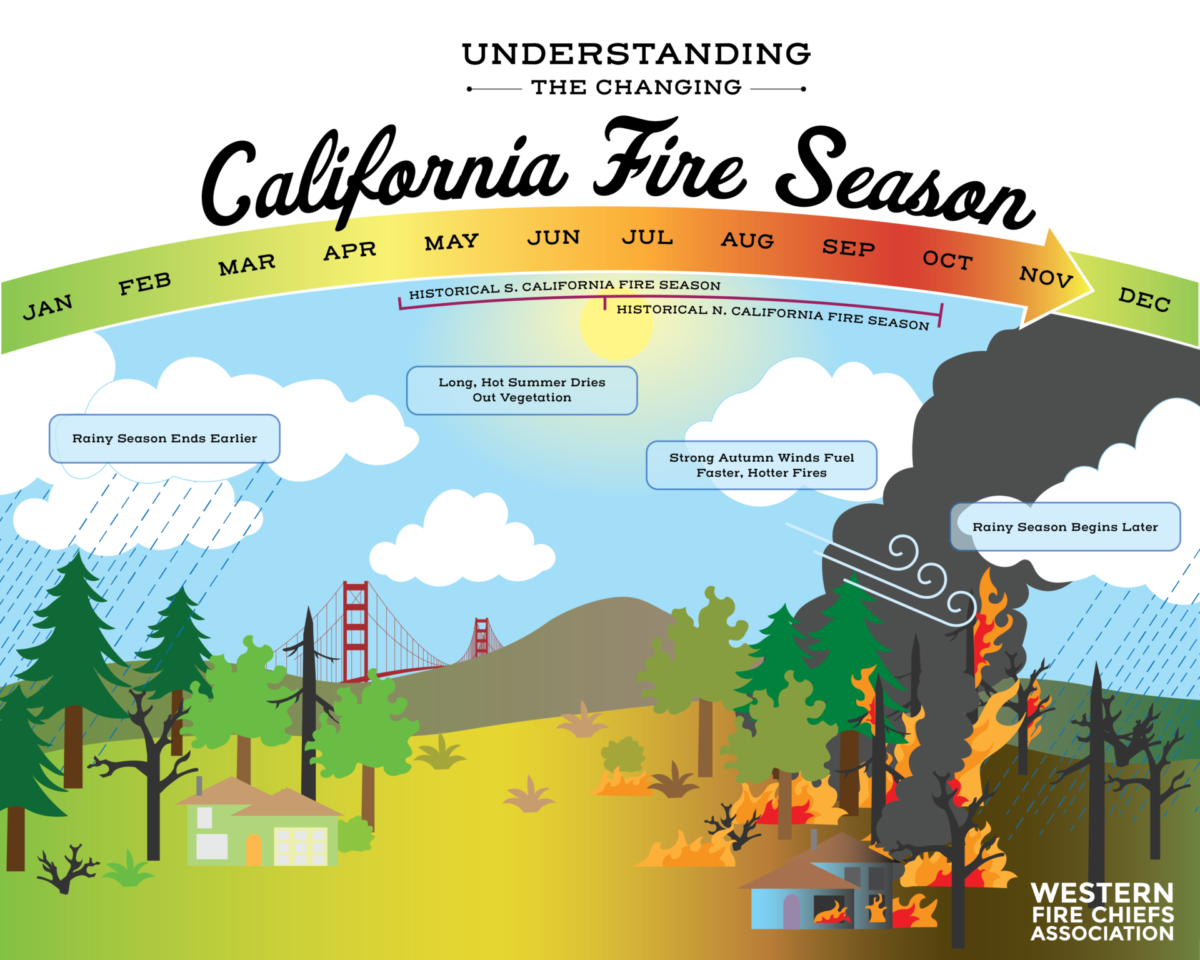
California’s wildfire season, historically a summer and fall phenomenon, has increasingly become a year-round concern due to climate change. Preparedness is paramount for anyone planning a trip to the Golden State.
Proactive Planning and Information Gathering
- Choose Travel Dates Wisely: If possible, consider traveling during periods with historically lower wildfire risk, though this is becoming less predictable.
- Stay Informed: Before booking and throughout your trip, monitor official sources for wildfire information, air quality, and road conditions. Websites for the California Department of Forestry and Fire Protection (CAL FIRE), National Park Service, and local emergency services are invaluable.
- Flexible Itinerary: Build flexibility into your plans. Have backup activities or alternative destinations in mind should your original plans be disrupted.
Accommodation and Safety
- Book with Flexible Policies: When booking hotels or rentals, look for options with flexible cancellation or rebooking policies. This offers a safety net in case of unexpected disruptions.
- Consider Location: When choosing accommodation, be aware of the fire risk in the specific region you are visiting. Coastal areas might be less directly impacted by inland fires, but smoke can still be a factor.
- Pack Accordingly: While not directly fire-related, consider packing masks (e.g., N95) if you anticipate poor air quality. Also, carry a first-aid kit and sufficient water, especially if venturing into remote areas.
Supporting Local Communities
- Be Mindful of Impact: Understand that wildfires have a significant economic and emotional impact on local communities.
- Support Local Businesses: When it is safe and appropriate to visit, prioritize supporting local businesses that have been affected. Your patronage can be crucial for their recovery.
- Respect Fire Restrictions: Always adhere to any fire restrictions or burn bans in place. These are critical for preventing further incidents.
The question of whether “the fire stopped in California” is rarely a simple yes or no. It’s a narrative of ongoing vigilance, resilience, and the dynamic interplay between human activity and the powerful forces of nature. For the traveler, it means embracing a more informed, flexible, and respectful approach to exploring this magnificent state, understanding that even in the face of adversity, beauty and new experiences can always emerge.
LifeOutOfTheBox is a participant in the Amazon Services LLC Associates Program, an affiliate advertising program designed to provide a means for sites to earn advertising fees by advertising and linking to Amazon.com. Amazon, the Amazon logo, AmazonSupply, and the AmazonSupply logo are trademarks of Amazon.com, Inc. or its affiliates. As an Amazon Associate we earn affiliate commissions from qualifying purchases.