
The question of “How far is Chicago from Minnesota?” is more than a simple geographical inquiry; it’s the starting point for countless travel plans, road trip aspirations, and explorations into the heartland of the United States. This vast distance, stretching across picturesque plains and alongside the mighty Great Lakes, offers a diverse range of travel experiences, from swift air commutes to leisurely scenic drives. Understanding the nuances of this journey—whether by car, plane, or train—unlocks a wealth of travel opportunities between the vibrant metropolis of Chicago and the diverse landscapes of Minnesota.
Navigating the Distance: Modes of Transportation
The journey from Chicago to Minnesota can be undertaken through several primary modes of transportation, each offering a distinct experience and catering to different travel preferences and time constraints. The choice of transport significantly influences the overall travel time, cost, and the opportunity to engage with the scenery along the way.

By Car: The Open Road Adventure
Driving between Chicago and Minnesota is a popular choice for many, offering unparalleled flexibility and the freedom to explore at one’s own pace. The most direct route typically involves traveling north on I-90 West or I-94 West, depending on the specific destination within Minnesota. The total distance can vary significantly based on the starting point in Chicago and the final destination in Minnesota. For instance, driving from downtown Chicago to Minneapolis, the largest city in Minnesota, is approximately 430 miles.
Estimated Driving Times and Factors
The estimated driving time for this 430-mile journey is around 6.5 to 7.5 hours without significant stops or traffic delays. However, this figure is a general guideline and can be influenced by several factors:
- Traffic: Departing from Chicago, especially during peak hours, can add considerable time to the initial leg of the journey. Similarly, approaching major Minnesota cities like Minneapolis or St. Paul can also encounter traffic congestion.
- Road Conditions and Weather: Winter in the Midwest can bring challenging driving conditions, including snow and ice, which can slow down travel considerably. Spring and summer generally offer more predictable road conditions, though construction can be a factor during these seasons.
- Stops and Breaks: A 7-hour drive often necessitates at least one or two stops for gas, food, and rest. Planning these stops in advance can help maintain the overall travel time.
- Route Variations: While I-90 and I-94 are common, alternative routes might be chosen for scenic value or to visit specific attractions along the way. These deviations will naturally increase the overall mileage and travel time.
The drive itself offers a gradual transition from the urban sprawl of Illinois into the rolling farmlands of southern Wisconsin and eventually into the more varied topography of Minnesota. Notable cities and towns passed en route include Madison, Wisconsin, and Eau Claire, Wisconsin, offering potential diversion points for a longer road trip.
Advantages of Driving:
- Flexibility: The ability to set your own schedule, make spontaneous stops, and explore off-the-beaten-path attractions.
- Cargo Capacity: Ideal for travelers who need to transport significant luggage or equipment.
- Scenery: The opportunity to witness the changing landscapes of the Midwest firsthand.
- Cost-Effectiveness (for groups): Can be more economical than multiple plane tickets for families or groups.
By Air: The Swift Passage
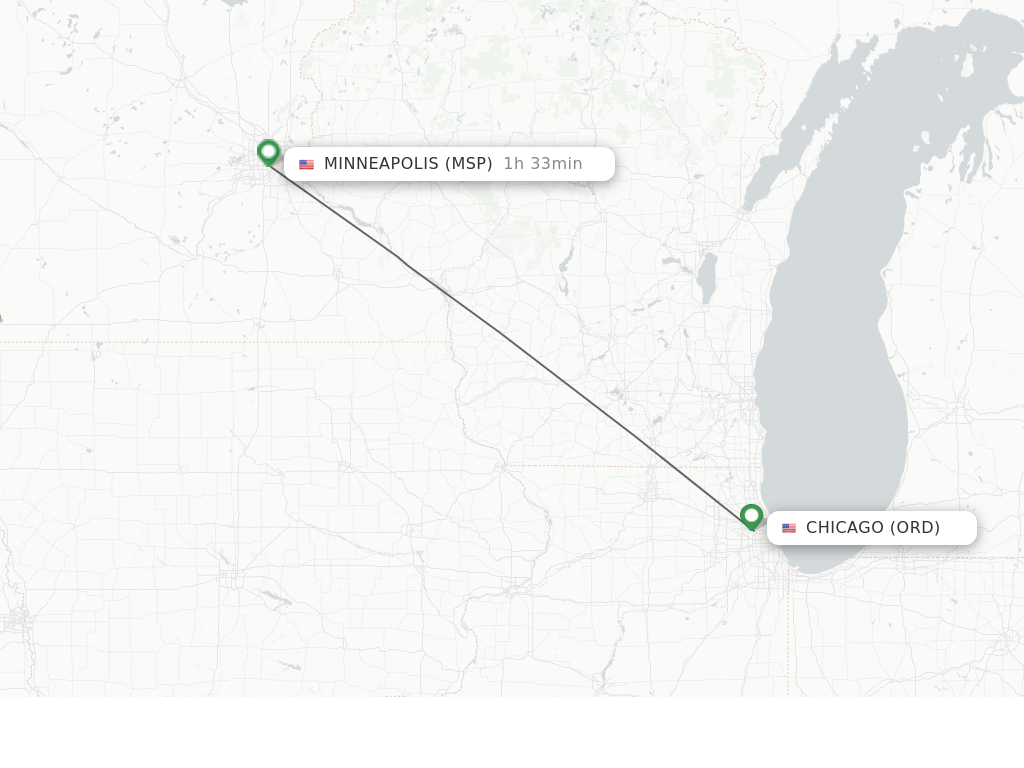
For those prioritizing speed and efficiency, flying between Chicago and Minnesota is the most practical option. Both Chicago and Minneapolis-St. Paul International Airport (MSP) are major hubs, served by numerous airlines offering frequent direct flights.
Flight Durations and Logistics
The flight time from Chicago (typically from O’Hare International Airport or Midway International Airport) to Minneapolis-St. Paul International Airport is remarkably short, usually around 1 hour and 15 minutes to 1 hour and 30 minutes. However, it’s crucial to factor in the total travel time, which includes:
- Travel to the Airport: Getting to the departure airport in Chicago.
- Check-in and Security: Arriving at the airport well in advance for check-in procedures and security screening. This can range from 1.5 to 2 hours before domestic flights.
- Boarding and Taxiing: Time spent boarding the aircraft and taxiing on the runway.
- Deplaning and Baggage Claim: Time taken to disembark and collect checked luggage at MSP Airport.
- Travel from the Airport: Journeying from MSP Airport to your final destination in Minnesota.
Therefore, while the flight itself is brief, the door-to-door travel time typically ranges from 4 to 6 hours.
Airlines and Frequency
Major carriers like United Airlines, American Airlines, and Delta Air Lines operate numerous daily flights between Chicago’s airports and MSP Airport. This high frequency ensures ample flexibility for travelers to choose flights that best suit their schedules. Budget airlines may also offer routes, though sometimes with less convenient flight times or from smaller airports.
Advantages of Flying:
- Speed: Significantly reduces travel time compared to driving.
- Convenience: For business travelers or those with limited time, flying is often the most efficient choice.
- Comfort: Allows travelers to relax or work during the journey without the demands of driving.
By Train: A Leisurely Perspective
For those who prefer a more relaxed and scenic journey, Amtrak offers a train service connecting Chicago to Minnesota. The primary Amtrak route serving this corridor is the Empire Builder, which originates in Chicago and travels westward, passing through St. Paul, Minnesota.
Journey Duration and Experience
The train journey from Chicago to St. Paul, Minnesota is a significantly longer undertaking than flying or driving directly. The total travel time typically ranges from 8 to 10 hours, depending on the specific schedule and any potential delays. While the duration is substantial, the train offers a unique travel experience:
- Comfort and Space: Amtrak trains offer more legroom than airline seats, and passengers are free to move around the train. Options for private sleeper cars are also available for overnight journeys, enhancing comfort.
- Scenery: The train route provides a rolling panorama of the Midwest landscape, often through areas not easily accessible by road. This can be a significant draw for travelers seeking a more immersive experience.
- Amenities: Trains usually feature a dining car or cafe car offering food and beverages for purchase, allowing for relaxed meals en route.
- Reduced Stress: For many, train travel eliminates the stress associated with airport security or the fatigue of long-distance driving.
Route and Stops
The Empire Builder route is a long-distance service, and while St. Paul, Minnesota is a key station, the train continues on to destinations further west in Montana and Washington. Key stops between Chicago and St. Paul include cities in Wisconsin such as Milwaukee and La Crosse, offering potential intermediate stops for exploration.
Advantages of Train Travel:
- Relaxed Pace: Ideal for those who enjoy the journey as much as the destination.
- Scenic Views: Offers a unique perspective of the American landscape.
- Comfort: More space and freedom of movement than flying.
- Environmentally Friendlier (potentially): Often considered a more sustainable travel option per passenger mile.
Planning Your Trip: Key Considerations
When planning a trip from Chicago to Minnesota, several practical considerations will help ensure a smooth and enjoyable experience, regardless of the chosen mode of transport. These elements range from understanding the best times to travel to preparing for the destination itself.
Best Times to Travel
The optimal time to travel between Chicago and Minnesota is largely dictated by personal preferences for weather and activities.
- Summer (June-August): This is peak travel season in both regions. Minnesota boasts beautiful lakes and outdoor activities, while Chicago offers a vibrant urban experience with numerous festivals and events. Expect pleasant weather but also larger crowds and potentially higher prices for flights and accommodation.
- Fall (September-October): Autumn offers spectacular foliage in Minnesota and crisp, cool weather. Chicago remains lively with cultural events. This is often considered an ideal time for a visit, balancing good weather with fewer crowds than summer.
- Spring (April-May): Spring brings warming temperatures to Minnesota, with nature awakening. Chicago sheds its winter coat and becomes more active. However, spring weather can be unpredictable, with occasional late snowfalls possible in Minnesota.
- Winter (November-March): Winter in Minnesota is characterized by cold temperatures and snow, offering opportunities for winter sports like skiing and ice fishing. Chicago can be chilly but is alive with holiday festivities. For those seeking winter activities, this is the prime time, but road travel can be challenging.
Accommodation Options
Once you arrive in Minnesota, a wide array of accommodation options awaits, catering to various budgets and travel styles.
- Hotels and Motels: Major cities like Minneapolis and St. Paul offer a comprehensive selection of hotels, from luxury brands like the The Ritz-Carlton, Minneapolis to budget-friendly chains. Smaller towns and tourist areas, particularly around the lake regions, also feature numerous motels and inns.
- Resorts: Minnesota is famous for its lakes, and many lakeside resorts offer a quintessential vacation experience. These often provide amenities such as boat rentals, swimming areas, and recreational activities.
- Vacation Rentals: Platforms like Airbnb and VRBO offer houses, apartments, and cabins for rent, ideal for families or longer stays. This option can provide a more local and private experience.
- Camping and Cabins: For outdoor enthusiasts, Minnesota boasts numerous state and national parks with campgrounds and rustic cabins, offering an immersive nature experience.

Understanding the Destination: Minnesota’s Appeal
Minnesota, often called the “Land of 10,000 Lakes,” offers a diverse range of attractions and experiences that make the journey from Chicago worthwhile.
- The Twin Cities: Minneapolis and St. Paul form a vibrant metropolitan area with world-class museums such as the Minneapolis Institute of Arts and the Walker Art Center, a thriving dining scene, professional sports teams, and extensive park systems.
- Outdoor Recreation: Beyond the well-known lakes, Minnesota features national parks like Voyageurs National Park, vast forests, and scenic trails. Activities range from boating and fishing in the summer to skiing and snowshoeing in the winter.
- Northern Minnesota: The northern part of the state, including the Iron Range and the North Shore of Lake Superior, offers rugged natural beauty, charming coastal towns, and unique geological formations.
- Cultural Heritage: Minnesota has a rich heritage influenced by Scandinavian and German immigrants, which is reflected in its festivals, cuisine, and historical sites.
Whether you choose the freedom of the open road, the efficiency of a flight, or the leisurely pace of a train, the journey from Chicago to Minnesota is a gateway to diverse landscapes, vibrant cities, and unforgettable experiences in the American Midwest.
LifeOutOfTheBox is a participant in the Amazon Services LLC Associates Program, an affiliate advertising program designed to provide a means for sites to earn advertising fees by advertising and linking to Amazon.com. Amazon, the Amazon logo, AmazonSupply, and the AmazonSupply logo are trademarks of Amazon.com, Inc. or its affiliates. As an Amazon Associate we earn affiliate commissions from qualifying purchases.