
Embarking on a journey from the heartland of the United States to the vast continent of Australia is an undertaking that demands careful planning, not least because of the significant flight duration. Chicago, a major international hub, offers numerous gateways to the Land Down Under, but understanding the actual time spent in the air is crucial for managing expectations and optimizing your travel experience. The answer to “How long is a flight to Australia from Chicago?” isn’t a single, simple number; it’s a tapestry woven with factors like direct versus connecting flights, specific Australian cities of arrival, and the ever-present influence of wind patterns.
Direct Flights: The Elusive Dream
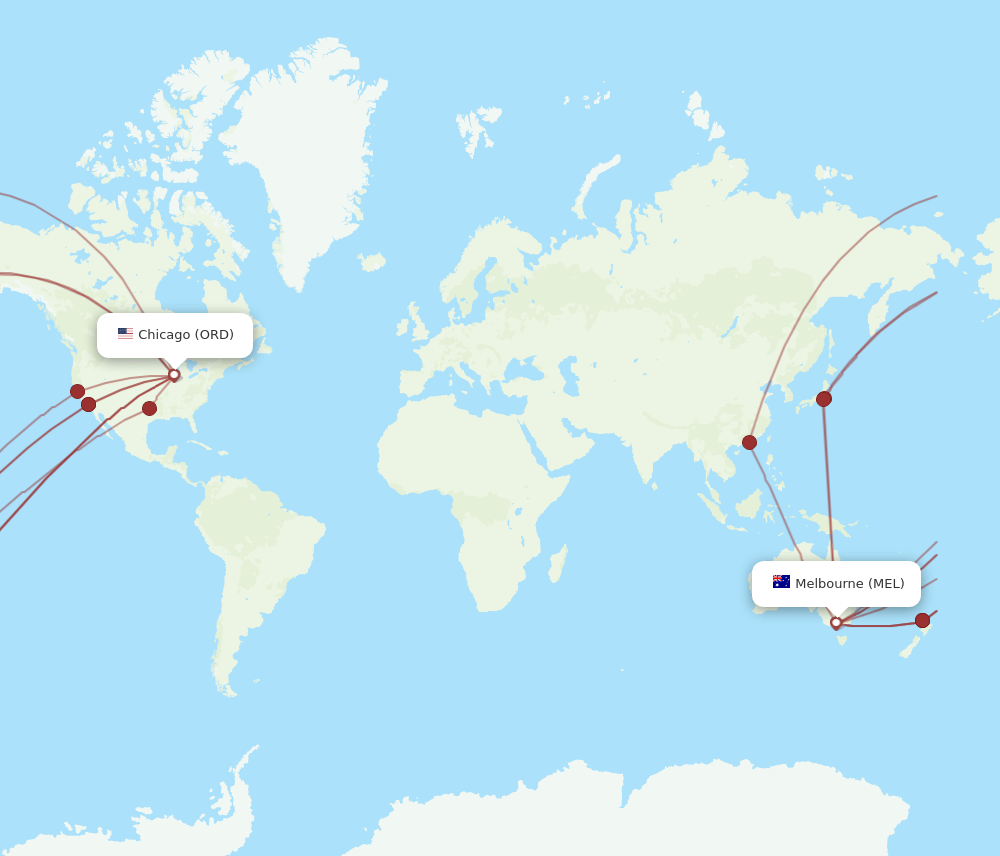
For travelers originating in Chicago, the prospect of a direct flight to Australia is, unfortunately, largely a theoretical one. As of current flight schedules and historical patterns, there are no regularly operating non-stop commercial passenger flights connecting O’Hare International Airport (ORD) directly to any major Australian gateway like Sydney, Melbourne, or Brisbane. This absence of direct routes means that any journey from Chicago to Australia will inherently involve at least one stopover.
Why No Direct Flights?
The sheer distance involved is the primary deterrent to direct flights. The great circle distance between Chicago and, for example, Sydney is over 9,500 miles. While modern aircraft are capable of covering such distances, the logistical and economic feasibility for airlines is a complex equation.
- Aircraft Range and Fuel Capacity: While long-haul aircraft like the Boeing 777 or 787, or the Airbus A350, have impressive ranges, a flight of this magnitude would push them to their absolute limits, potentially requiring a very heavy fuel load that impacts payload capacity (passengers and cargo).
- Fuel Stops and Cost-Effectiveness: Even if an aircraft could technically make the journey, it might necessitate a fuel stop, which negates the “direct” aspect and adds significant time and complexity. Airlines constantly assess routes for profitability, and the demand for a direct Chicago to Australia route might not be sufficient to justify the operational costs and risks compared to routes with established demand and more favorable layover points.
- Market Demand and Hub Connectivity: Airlines often prioritize routes that connect major population centers with strong passenger flows. The current network of international travel often relies on major airline hubs in gateway cities. Travelers from Chicago are more likely to find better-connected and more frequent services by flying to an intermediate hub.
Therefore, when considering a flight from Chicago to Australia, travelers must always factor in at least one layover.
The Reality of Connecting Flights
Since direct flights are not an option, all journeys from Chicago to Australia involve at least one connection. The duration of these flights, therefore, becomes a sum of flight times plus layover durations. The most common connection points for flights to Australia from the United States, and by extension from Chicago, are typically on the West Coast of the U.S. or in Asia.
Common Layover Hubs and Their Impact
- West Coast Hubs (e.g., Los Angeles, San Francisco): Flights from Chicago to Los Angeles (LAX) or San Francisco (SFO) are relatively short, typically ranging from 4 to 5 hours. From these West Coast cities, the onward journey to Australia can take anywhere from 14 to 17 hours, depending on the specific destination city in Australia and prevailing winds. The total travel time, including a reasonable layover (usually a minimum of 2-3 hours for international connections), often falls in the range of 20 to 25 hours.
- Asian Hubs (e.g., Seoul, Tokyo, Hong Kong, Singapore): While less common for direct connections from Chicago to Australia without a prior U.S. domestic leg, some itineraries might involve a connection in Asia. The flight from Chicago to an Asian hub can range from 13 to 16 hours. The subsequent flight from the Asian hub to Australia is typically around 9 to 12 hours. This route often results in longer overall travel times, potentially exceeding 25-30 hours when including layovers, and can also be subject to more significant time zone shifts.
- Middle Eastern Hubs (e.g., Dubai, Doha): These are even less likely for a primary connection from Chicago to Australia due to the significant detour involved. However, for some travelers seeking specific airline alliances or routes, a flight to a Middle Eastern hub (around 12-15 hours) followed by another long-haul leg to Australia (around 14-17 hours) could be considered, pushing total travel well into the 30-hour range.
The Crucial Role of Layover Duration
The time spent on the ground during a layover is a critical component of the total journey duration. While airlines typically schedule connections with a minimum of 1.5 to 2 hours, for international flights, especially those involving different terminals or potential security re-screening, a longer layover is often advisable. A layover of 3 to 5 hours allows for a more relaxed transition, time to grab a meal, or even explore an airport lounge. Conversely, excessively long layovers can turn a travel day into a travel overnight, significantly increasing the overall time commitment.

Factors Influencing Flight Duration
Beyond the choice of route and layover, several other factors can influence the actual time your flight spends in the air.
Jet Streams and Wind Patterns
The Earth’s atmosphere is characterized by powerful air currents known as jet streams. These high-altitude rivers of air flow from west to east. When flying eastward (as is the case from Australia to Chicago), aircraft can ride these jet streams, significantly reducing flight times. Conversely, when flying westward from Chicago to Australia, aircraft will often be flying against these prevailing winds, leading to longer flight durations. This is a natural phenomenon that airlines factor into their schedules but can lead to slight variations on any given day.
Aircraft Type and Speed
While most long-haul flights to Australia utilize modern wide-body jets, the specific aircraft model can have minor differences in cruising speed. However, this is generally a less significant factor compared to route and winds.
Air Traffic Control and Routing
The specific flight path taken by an aircraft can also vary due to air traffic control clearances, weather avoidance, and optimized routing to avoid congestion. These deviations, while usually minor, can contribute to slight differences in flight duration.
Estimating Your Total Travel Time
Given the absence of direct flights and the variability of connections, providing a precise duration is impossible without a specific itinerary. However, a realistic estimate for a flight from Chicago to Australia, including a single layover and reasonable connection time, typically falls within the following ranges:
- Minimum Realistic Travel Time: Approximately 19-22 hours (this would involve very efficient connections and potentially shorter flight legs).
- Average Travel Time: Approximately 22-26 hours (this is the most common scenario for a trip with one stop on the West Coast).
- Extended Travel Time: 27+ hours (this could be due to longer layovers, less efficient connection points, or multiple stops).

Planning Your Journey
When booking your flight, pay close attention to:
- Layover City: Consider the convenience and offerings of the layover airport. A layover in a city like Los Angeles or San Francisco will generally result in a shorter overall journey than a layover in Asia.
- Layover Duration: Aim for a layover that provides sufficient time without being excessively long. For international connections, a minimum of 2.5 to 3 hours is recommended.
- Airline and Alliance: Different airlines and alliances may offer varying routing options and connection efficiencies.
- Time of Day for Departure and Arrival: Consider how the arrival time in Australia will affect your ability to transition to your accommodation and begin exploring.
Ultimately, a flight to Australia from Chicago is a significant journey. Understanding the necessity of connecting flights and the factors influencing their duration will empower you to make informed decisions and prepare adequately for this epic adventure.
LifeOutOfTheBox is a participant in the Amazon Services LLC Associates Program, an affiliate advertising program designed to provide a means for sites to earn advertising fees by advertising and linking to Amazon.com. Amazon, the Amazon logo, AmazonSupply, and the AmazonSupply logo are trademarks of Amazon.com, Inc. or its affiliates. As an Amazon Associate we earn affiliate commissions from qualifying purchases.