
The question of compensation for nurses in a vibrant, major metropolitan area like Chicago is multifaceted. While a headline figure can be presented, understanding the true earning potential requires delving into various factors that influence a nurse’s salary. These include experience level, specialization, the type of healthcare facility, and even the specific neighborhood or surrounding suburbs where one practices. Chicago, a hub for medical innovation and numerous renowned healthcare institutions, offers a diverse landscape for nursing careers, each with its own salary structure.
Factors Influencing Nursing Salaries in Chicago
The financial landscape for nurses in Chicago is not a monolithic entity. Several key determinants shape the average salary, moving it upwards or downwards from a baseline. These factors are crucial for aspiring nurses to understand as they navigate their career paths and for established professionals seeking to optimize their earning potential.
Experience Level
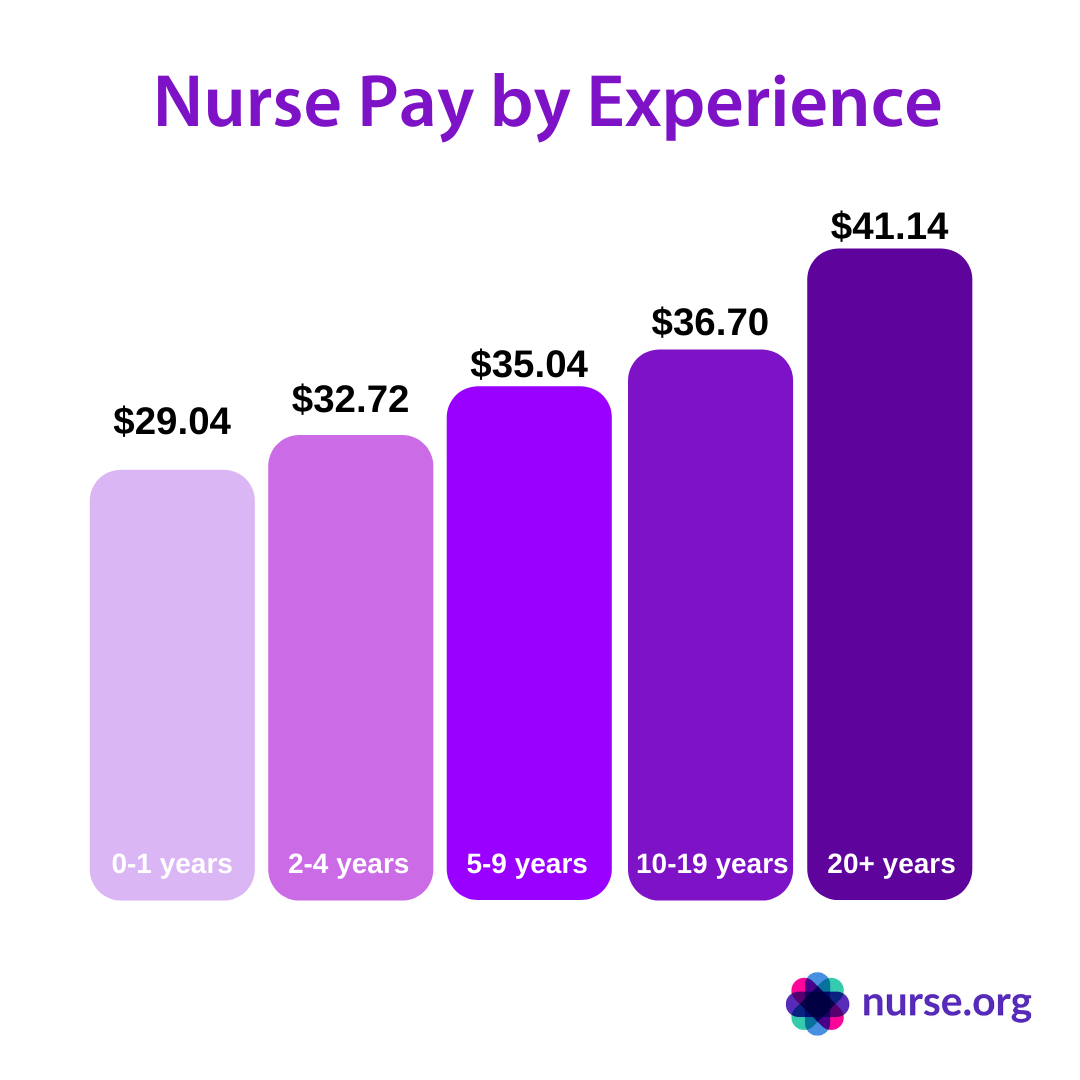
Arguably the most significant factor influencing a nurse’s salary is their years of experience. Entry-level registered nurses (RNs) fresh out of nursing school will naturally command a lower salary than seasoned professionals with a decade or more of clinical practice.
- New Graduates: Typically, new graduate RNs in Chicago can expect to start in the range of $60,000 to $75,000 annually. This figure often reflects the initial investment in training and the learning curve associated with a new role.
- Mid-Career Nurses (3-7 years): As nurses gain experience, their responsibilities often increase, leading to higher pay. The mid-career range can see salaries from $75,000 to $95,000. This period is often characterized by developing expertise in specific areas and potentially taking on more complex patient care.
- Senior Nurses (7+ years): Highly experienced nurses, particularly those with specialized skills or in leadership roles, can see their earnings climb significantly. Salaries for senior nurses in Chicago can range from $95,000 to well over $120,000, with some advanced practitioners or nurse managers exceeding even these figures.
Specialization and Certifications
The healthcare field is incredibly diverse, and nurses who specialize in high-demand areas or obtain specialized certifications often earn more. This reflects the advanced knowledge and skills required for these roles.
- High-Demand Specialties: Areas such as critical care, intensive care unit (ICU), emergency room (ER), operating room (OR), oncology, and neonatal intensive care unit (NICU) often offer higher compensation due to the acuity of patients and the specialized training required. For instance, an ICU nurse in Chicago will likely earn more than a general medical-surgical nurse with the same experience.
- Advanced Certifications: Holding certifications like Certified Critical Care Registered Nurse (CCRN), Certified Nurse Operating Room (CNOR), or Certified Pediatric Emergency Nurse (CPEN) can directly impact salary. Employers often incentivize nurses to pursue and maintain these credentials, recognizing the expertise they represent.
- Nurse Practitioner (NP) and Advanced Practice Registered Nurse (APRN): While these are distinct roles from RNs, it’s important to note their significantly higher earning potential. NPs and APRNs in Chicago can expect to earn $100,000 to $150,000+, depending on their specialty (e.g., family practice, psychiatric mental health, adult-gerontology) and years of experience.
Type of Healthcare Facility
The setting in which a nurse works plays a pivotal role in salary determination. Large, well-funded hospitals, academic medical centers, and specialized clinics often offer more competitive compensation packages than smaller, community-based facilities or long-term care homes.
- Major Hospitals and Academic Medical Centers: Institutions like Northwestern Memorial Hospital, University of Chicago Medical Center, and Rush University Medical Center are typically at the forefront of offering attractive salary and benefits packages to attract top talent. They often have higher patient volumes and more complex cases, justifying higher pay.
- Community Hospitals: These facilities, while vital to healthcare delivery, may offer slightly lower base salaries compared to the large academic centers. However, they can sometimes offer more predictable schedules or a stronger sense of community.
- Specialty Clinics and Outpatient Centers: Clinics focusing on specific areas like cardiology, dermatology, or dialysis can offer competitive salaries, especially for nurses with specialized skills relevant to the clinic’s focus.
- Long-Term Care and Skilled Nursing Facilities: These roles often have lower average salaries due to budget constraints and different patient acuity levels. However, they offer invaluable experience in patient advocacy and chronic care management.
Average Salary Ranges and Comparisons
Providing a precise average salary for nurses in Chicago is challenging due to the dynamic nature of the market and the various influencing factors. However, general ranges can offer valuable insight.

Registered Nurse (RN) Salaries
Based on recent data, the average annual salary for a Registered Nurse (RN) in Chicago falls within the range of $75,000 to $90,000. This average is a composite of all experience levels, specializations, and facility types.
- Entry-Level RNs: As mentioned, new graduates typically start between $60,000 and $75,000.
- Experienced RNs: Nurses with 5-10 years of experience can expect to earn between $80,000 and $100,000.
- Senior/Specialized RNs: Those with extensive experience and certifications in high-demand fields can easily surpass $100,000, with some reaching $110,000 to $120,000 annually.
Licensed Practical Nurse (LPN) and Certified Nursing Assistant (CNA) Salaries
It is also important to distinguish the roles and associated salaries of LPNs and CNAs, who provide essential care under the supervision of RNs.
- Licensed Practical Nurses (LPNs): LPNs in Chicago typically earn between $50,000 and $65,000 annually. Their scope of practice is broader than CNAs but more limited than RNs.
- Certified Nursing Assistants (CNAs): CNAs, who provide direct patient care under the guidance of nurses, generally earn between $30,000 and $45,000 annually. This role is often an entry point into the healthcare field.
Beyond Base Salary: Benefits and Overtime
When evaluating a nurse’s total compensation, it is crucial to consider benefits packages and opportunities for overtime pay.
- Benefits Packages: A comprehensive benefits package can significantly add to the overall value of a nurse’s employment. This typically includes health insurance (medical, dental, vision), retirement plans (401k or pension), paid time off (PTO), sick leave, life insurance, and sometimes tuition reimbursement or continuing education stipends. These benefits can easily add thousands of dollars to the effective compensation.
- Overtime and Shift Differentials: Many Chicago healthcare facilities offer overtime pay for hours worked beyond a standard 40-hour week, often at time-and-a-half. Additionally, nurses may receive shift differentials for working less desirable hours, such as nights, weekends, or holidays. These premiums can substantially boost a nurse’s take-home pay. For example, working a night shift can earn an extra $2-$5 per hour, and holiday pay can be even higher.
- Per Diem and Travel Nursing: Per diem nurses are hired on an as-needed basis and often receive higher hourly rates but typically do not receive benefits. Travel nurses, on the other hand, contract for specific periods and often command very high weekly stipends that include lodging and meal allowances, in addition to a competitive hourly wage. This can lead to annual earnings exceeding $100,000 for RNs, especially those with in-demand specialties, though it comes with the lifestyle demands of frequent relocation.
Geographic Variations within Chicago and Suburbs
While Chicago as a whole offers competitive nursing salaries, there can be subtle variations depending on the specific location. Generally, hospitals and healthcare systems located in more affluent areas or those serving a higher patient volume might offer slightly higher compensation.
- Downtown and North Side Hospitals: Facilities located in prime areas, such as the Streeterville neighborhood which houses several major medical institutions like Northwestern Memorial Hospital, often compete fiercely for talent, which can translate to slightly higher salary offerings.
- Suburban Opportunities: Many nurses also find lucrative opportunities in the surrounding Chicagoland suburbs. While salaries might be comparable to city rates, the cost of living can sometimes be lower, making the net income more valuable. Large suburban hospital systems like NorthShore University HealthSystem and Advocate Health Care are significant employers of nurses.
- Underserved Areas: In some instances, healthcare systems operating in or near medically underserved areas might offer sign-on bonuses or loan repayment programs to attract nurses, which can offset base salary differences.

The Role of Unions and Collective Bargaining
In Chicago, as in many major cities, nursing unions play a significant role in salary negotiations and working conditions. Unions like the Illinois Nurses Association and the National Nurses United (which represents many nurses in the region) have historically fought for and secured better wages, benefits, and professional protections for their members.
- Unionized Hospitals: Nurses working in hospitals with strong union presence often benefit from standardized pay scales that are negotiated collectively. These scales typically ensure regular pay increases based on years of service and seniority, alongside robust benefits packages and protections against arbitrary pay cuts or unfair working conditions.
- Negotiation Power: Collective bargaining provides nurses with a unified voice, increasing their power to negotiate for fair compensation that reflects their skills, dedication, and the demanding nature of their profession. This often leads to higher average salaries and better overall compensation packages compared to non-unionized environments.
In conclusion, while a definitive single figure for nurses’ salaries in Chicago is elusive, the earning potential is generally strong and competitive, especially for experienced and specialized professionals. The combination of a thriving healthcare sector, demand for skilled nursing, and the influence of collective bargaining contributes to a compensation landscape that rewards dedication and expertise in this vital profession.
LifeOutOfTheBox is a participant in the Amazon Services LLC Associates Program, an affiliate advertising program designed to provide a means for sites to earn advertising fees by advertising and linking to Amazon.com. Amazon, the Amazon logo, AmazonSupply, and the AmazonSupply logo are trademarks of Amazon.com, Inc. or its affiliates. As an Amazon Associate we earn affiliate commissions from qualifying purchases.