
Clear Lake, California, nestled in the heart of Lake County, stands as a captivating natural jewel offering a serene escape and abundant recreational opportunities. Its precise geographical positioning is key to understanding its unique ecosystem, climate, and accessibility for those seeking a tranquil retreat or an adventurous getaway. This vast freshwater lake, the largest natural lake in California by surface area, is a significant feature of the state’s diverse landscape, attracting visitors drawn to its natural beauty and recreational pursuits.
Geographical Positioning and Regional Context
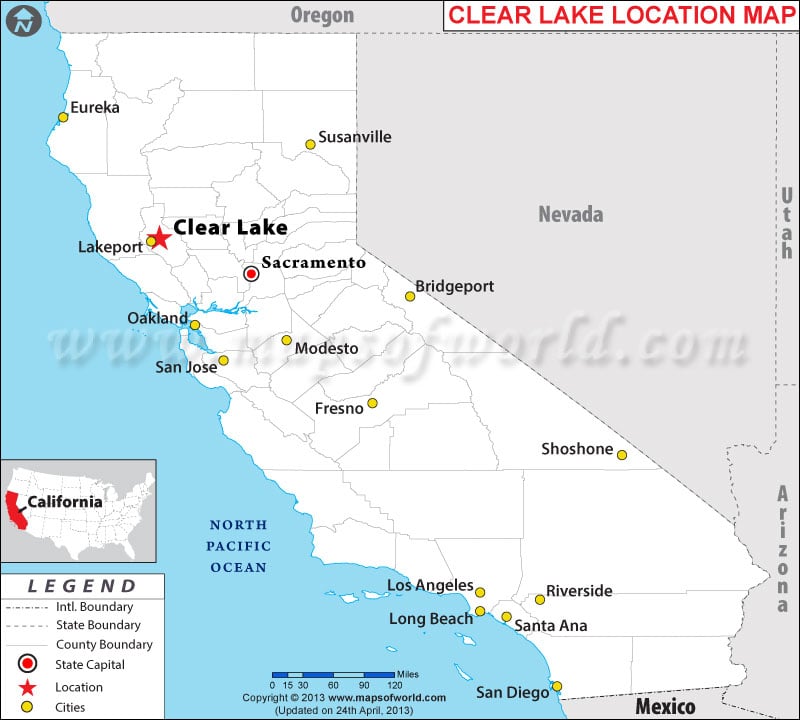
Clear Lake’s location is defined by its presence within Northern California, specifically in the northeastern part of the San Francisco Bay Area region, though it is geographically distinct from the immediate urban sprawl. It resides primarily within Lake County, an area known for its viticulture, natural hot springs, and scenic vistas. The lake itself is the centerpiece of this county, influencing its climate, economy, and the lifestyle of its residents.

Latitude and Longitude
Positioned at approximately 38.9° North latitude and 122.8° West longitude, Clear Lake is situated inland, away from the direct moderating influence of the Pacific Ocean. This inland positioning contributes to its distinct climatic patterns, with warmer summers and cooler winters compared to coastal California. The lake’s expanse covers a significant area, with its shores stretching across multiple communities and unincorporated areas within Lake County.
Surrounding Topography and Watershed
The topography surrounding Clear Lake is characterized by rolling hills, volcanic formations, and more rugged mountainous terrain to the north and east. The lake’s watershed is extensive, fed by numerous streams and rivers, with the Cache Creek watershed being a significant contributor. This intricate network of waterways ensures a continuous supply of fresh water, maintaining the lake’s impressive size and ecological vitality. The surrounding landscape provides a stunning backdrop for the lake, enhancing its visual appeal and offering opportunities for hiking and exploring the natural environment. Notable geographical features in the vicinity include the Mount Konocti, a dormant volcano that provides a commanding presence over the southern end of the lake.
Accessibility and Proximity to Major Hubs
Understanding where Clear Lake is located also involves recognizing its accessibility and its relationship to major population centers and transportation networks. While it offers a sense of seclusion, it remains within a reasonable driving distance for many Californians, making it a popular destination for weekend trips and longer vacations.
Driving Routes and Major Highways
The primary access to Clear Lake is via state highways. California State Route 29 (SR 29) and California State Route 53 (SR 53) are the main arteries that traverse the region, connecting the lake to surrounding communities and beyond. SR 29 runs along the western side of the lake, passing through towns like Kelseyville and Lakeport, the county seat. SR 53 provides access to the eastern side, connecting to communities such as Clearlake Oaks and Lower Lake. For those coming from the south, routes like California State Route 20 (SR 20) offer access from the Sacramento Valley and the Bay Area.
Proximity to Metropolitan Areas
Clear Lake is approximately a two-hour drive north of San Francisco and the East Bay. This proximity makes it an attractive destination for urban dwellers seeking a quick escape into nature. To the east, it is roughly a 1.5 to 2-hour drive from Sacramento, the state capital, offering another significant population base for potential visitors. Its relative isolation, compared to more developed coastal destinations, preserves its natural charm and offers a distinct experience for travelers.
Nearest Airports
The closest major airports serving Clear Lake are Sonoma County Airport (STS) in Santa Rosa, which is about an hour and a half away, and Sacramento International Airport (SMF), approximately a two-hour drive. For those flying into the San Francisco Bay Area, San Francisco International Airport (SFO) and Oakland International Airport (OAK) are also options, though these will involve longer drives of over two and a half hours to reach the lake.
Environmental and Ecological Significance
The location of Clear Lake has a profound impact on its environmental and ecological significance. As a large, ancient lake, it harbors a unique ecosystem that is vital to the region’s biodiversity and also presents distinct characteristics that shape its appeal as a travel destination.
A Unique Freshwater Ecosystem
Clear Lake is recognized as one of the oldest lakes in North America, with an estimated age of over two million years. This ancient status has allowed for the evolution of a unique freshwater ecosystem, including several endemic species. The lake is renowned for its exceptional fishing, particularly for Largemouth Bass, and is a critical habitat for various migratory birds, making it a prime location for birdwatching. The water quality, while subject to natural fluctuations and the impacts of surrounding land use, is a central focus for conservation efforts aimed at preserving its ecological integrity.
Climate and Seasonal Variations
The inland location of Clear Lake results in a Mediterranean climate with hot, dry summers and cool, wet winters. Summer temperatures can be quite warm, making the lake an ideal spot for water-based activities like swimming, boating, and fishing. Spring and fall offer milder weather, perfect for hiking, exploring the local vineyards, and enjoying the scenic beauty of the changing foliage. Winters are generally mild but can bring rainfall, replenishing the lake and its watershed, and occasionally dusting the surrounding higher elevations with snow. This seasonal variability dictates the best times to visit for specific types of outdoor recreation.
Key Communities on the Shores of Clear Lake
The perimeter of Clear Lake is dotted with several communities, each offering its own unique character and access to the lake’s amenities. Understanding these towns provides a more intimate picture of the region and its offerings for visitors.
Lakeport
As the county seat of Lake County, Lakeport is situated on the northwestern shore of Clear Lake. It serves as a hub for local government, commerce, and provides public access to the lake, including a harbor and several parks. Lakeport’s downtown area offers charming shops and restaurants, while its proximity to the lake makes it a popular starting point for exploring the northern arm of the water. The Sulphur Bank Mine historic site is also located near Lakeport, offering a glimpse into the region’s industrial past.
Clearlake
Clearlake, formerly known as Clearlake City and later Clearlake Village, is the largest city by population in Lake County and lies on the southeastern shore of Clear Lake. It offers extensive waterfront access, numerous parks, and a variety of amenities catering to tourists and residents. Clearlake provides a more urbanized experience within the Clear Lake region, with a range of accommodations and dining options. The city’s location is ideal for those looking to engage in water sports and enjoy the southern reaches of the lake.
Kelseyville
Nestled in the valley to the west of the southern part of Clear Lake, Kelseyville is a vibrant agricultural community, particularly known for its wine production. While not directly on the lake’s edge, it offers easy access to the southern arm and is a gateway to wine tasting tours and exploring the surrounding vineyards. The town itself retains a quaint, small-town charm with local shops and eateries.

Lower Lake and Clearlake Oaks
Further east along the southern and southeastern shores, Lower Lake and Clearlake Oaks provide additional points of access and community life around Clear Lake. These areas offer a more relaxed pace and are popular for fishing and quiet retreats. Lower Lake is historically significant as one of the earliest settlements in the region, while Clearlake Oaks is known for its beautiful lakeside parks.
In essence, Clear Lake is geographically situated in the heart of Lake County, Northern California, a region defined by its stunning natural landscape and rich history. Its inland position grants it a unique climate, while its accessibility from major Californian cities makes it a sought-after destination for those looking to immerse themselves in the tranquility and outdoor adventures that this expansive freshwater lake has to offer.
LifeOutOfTheBox is a participant in the Amazon Services LLC Associates Program, an affiliate advertising program designed to provide a means for sites to earn advertising fees by advertising and linking to Amazon.com. Amazon, the Amazon logo, AmazonSupply, and the AmazonSupply logo are trademarks of Amazon.com, Inc. or its affiliates. As an Amazon Associate we earn affiliate commissions from qualifying purchases.