
Understanding the demographic landscape of a major metropolis like Chicago, IL is crucial for appreciating its vibrancy, planning visits, and grasping its cultural and economic significance. While a precise, up-to-the-minute census figure is dynamic, the most recent estimates provide a clear picture of this iconic American city’s scale and evolution. As of recent estimations, Chicago is consistently ranked as the third-most populous city in the United States, a testament to its enduring appeal as a center of commerce, culture, and innovation.
A Glimpse at the Numbers
The U.S. Census Bureau’s data serves as the authoritative source for population figures. Based on the latest available estimates, the population of Chicago, IL hovers around 2.7 million residents. This figure represents the core city limits and provides a foundational understanding of its urban density. However, to truly grasp the scale of Chicago’s metropolitan area, one must consider the broader context of the Chicagoland region.
The Chicagoland Metropolitan Area
When the surrounding suburban counties are included, the population of the Chicagoland metropolitan statistical area (MSA) swells considerably. This expansive region, encompassing numerous counties in northeastern Illinois and parts of northwestern Indiana, is home to over 9.4 million people. This broader definition highlights Chicago’s role as a dominant economic and cultural hub for a vast population, influencing trends in everything from transportation and housing to entertainment and dining. The interplay between the urban core and its extensive suburbs creates a complex and dynamic demographic mosaic.
Historical Trends and Population Shifts
Chicago’s population has experienced significant fluctuations throughout its history. From its rapid growth in the late 19th and early 20th centuries, fueled by industrialization and immigration, to periods of population decline in the latter half of the 20th century, the city’s demographic story is one of resilience and adaptation. The “Great Migration,” a period when African Americans moved from the rural Southern United States to Northern cities, significantly reshaped Chicago’s cultural and social fabric.
More recently, Chicago has seen efforts to stabilize and even grow its population, attracting new residents with its diverse job market, world-class cultural institutions, and renowned culinary scene. While suburbanization has been a long-standing trend, the allure of urban living continues to draw individuals and families back to the city center and its surrounding neighborhoods. Understanding these historical trends provides a richer context for current population figures and informs future projections.
Demographic Diversity in Chicago
Beyond raw numbers, the demographic composition of Chicago is a key element of its identity. The city is renowned for its rich tapestry of ethnic and racial diversity, a legacy of centuries of immigration and migration. This diversity is reflected in its neighborhoods, cuisines, cultural festivals, and the overall character of its communities.
Racial and Ethnic Composition

Chicago is a multicultural mosaic. While specific percentages shift with each census, the city has historically been home to significant populations of White, Black or African American, Hispanic or Latino, and Asian residents, among other groups. This demographic makeup contributes to the city’s unique cultural blend, from the vibrant blues clubs of the South Side to the bustling streets of Chinatown. Each community brings its own traditions, languages, and contributions, enriching the urban experience for all residents and visitors.
Age Distribution
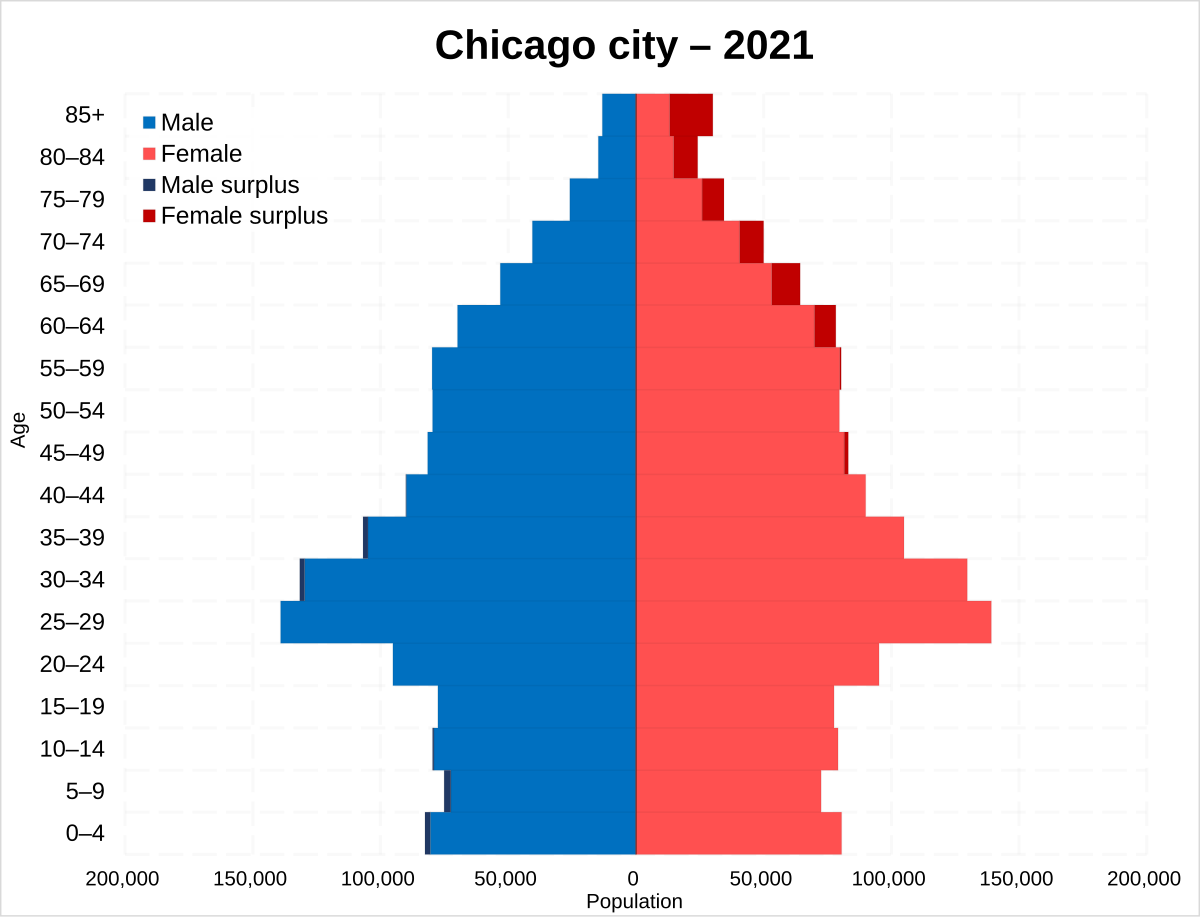
The age distribution within Chicago is also an important factor in understanding its population. Like many major cities, Chicago attracts a significant number of young professionals and students, contributing to a dynamic and energetic atmosphere. At the same time, it is home to established families and a growing senior population. This mix of age groups creates a diverse demand for services, housing, and recreational activities, shaping the city’s urban planning and economic development.
Factors Influencing Chicago’s Population
Several interconnected factors contribute to Chicago’s population size and its ongoing demographic shifts. These include economic opportunities, quality of life, and its status as a major transportation and cultural hub.
Economic Opportunities and Job Market
As a global economic powerhouse, Chicago boasts a diverse and robust job market. Key sectors include finance, technology, healthcare, manufacturing, and professional services. The presence of numerous Fortune 500 companies, as well as a thriving startup ecosystem, attracts talent from across the country and the world. The availability of well-paying jobs is a primary driver for individuals and families choosing to relocate to the city.
Quality of Life and Amenities
Chicago consistently ranks high in terms of quality of life for its residents. Its world-class public transportation system, extensive network of parks and green spaces like Lincoln Park and Millennium Park, renowned museums such as the Art Institute of Chicago and the Field Museum, and a vibrant arts and culture scene, including theaters like the Goodman Theatre, all contribute to its appeal. The city’s renowned culinary landscape, from Michelin-starred restaurants to diverse ethnic eateries, further enhances its desirability.
Transportation Hub and Connectivity
Chicago is a vital transportation hub for the United States. Its two major airports, O’Hare International Airport and Midway International Airport, handle millions of passengers annually, facilitating both domestic and international travel. Additionally, its extensive rail network, including Amtrak and Metra commuter lines, as well as its strategic location on Lake Michigan, solidify its position as a critical node for commerce and connectivity. This accessibility makes Chicago an attractive place to live and work, influencing its population dynamics.

Understanding Chicago’s Population in Context
The population of Chicago, IL is more than just a number; it’s a reflection of the city’s historical journey, its present-day dynamism, and its future trajectory. As a global city with a rich cultural heritage and a forward-looking economy, Chicago continues to draw people from all walks of life. Whether you are planning a visit to explore its architectural marvels like the Willis Tower, indulge in its culinary delights, or immerse yourself in its diverse neighborhoods, understanding its population provides a deeper appreciation for this remarkable American metropolis. The interplay of millions of individual lives creates the unique energy and character that define Chicago.
LifeOutOfTheBox is a participant in the Amazon Services LLC Associates Program, an affiliate advertising program designed to provide a means for sites to earn advertising fees by advertising and linking to Amazon.com. Amazon, the Amazon logo, AmazonSupply, and the AmazonSupply logo are trademarks of Amazon.com, Inc. or its affiliates. As an Amazon Associate we earn affiliate commissions from qualifying purchases.