
Navigating the temporal landscape of a vast continent like America can be a complex endeavor for any traveler. Understanding time zones is not merely a matter of convenience; it’s a crucial element in planning seamless journeys, avoiding missed flights, and truly immersing oneself in the local rhythm of a destination. For those setting their sights on the vibrant metropolis of Chicago, the question of “What time zone is America Chicago?” is a fundamental starting point for any exploration of this iconic city.
The Central Time Zone: Chicago’s Temporal Anchor
Chicago, a jewel of the American Midwest, operates firmly within the Central Time Zone (CT). This encompasses a significant portion of the United States, stretching from the Great Lakes down to the Gulf of Mexico. The Central Time Zone observes two distinct periods:

Central Standard Time (CST)
During the fall and winter months, typically from the first Sunday in November to the second Sunday in March, Chicago observes Central Standard Time (CST). This corresponds to UTC-6, meaning it is six hours behind Coordinated Universal Time. Travelers arriving from Europe, for instance, will experience a substantial time difference, requiring careful adjustment to maximize their initial days of exploration. For example, when it is 12:00 PM CST in Chicago, it is 6:00 PM UTC.
Central Daylight Time (CDT)
As the days lengthen and spring arrives, Chicago transitions to Central Daylight Time (CDT). This period typically begins on the second Sunday in March and concludes on the first Sunday in November. CDT is UTC-5, advancing the clock by one hour from CST. This shift is a familiar practice across much of North America and is designed to make better use of daylight during the warmer months. Therefore, when it is 12:00 PM CDT in Chicago, it is 5:00 PM UTC. The transition between CST and CDT, often referred to as “daylight saving time,” is an important consideration for travelers whose plans span these periods.
Navigating Time Zones for Your Chicago Adventure
Understanding Chicago’s time zone is paramount for several reasons, particularly when it comes to logistics and maximizing your travel experience.
Planning Your Travel Itinerary
When booking flights and accommodations, always confirm the local time for your arrival and departure. Airlines and booking platforms typically display times in the local zone of the destination. However, double-checking this, especially when traveling across multiple time zones, can prevent costly mistakes. For instance, if you are departing from a city on the West Coast of America (Pacific Time), you will need to account for the three-hour difference between Pacific Time and Central Time. A flight that departs Los Angeles at 3:00 PM PST will arrive in Chicago at 6:00 PM CST (or CDT, depending on the season), not 3:00 PM Chicago time.
Connecting with Locals and Businesses
If your travel plans involve business meetings, restaurant reservations, or cultural events, knowing the local time is essential. Many establishments adhere strictly to their operating hours, which are dictated by the local time zone. For instance, if you are trying to book a table at a popular Chicago restaurant for dinner, and you are operating on your home time, you might inadvertently make a reservation for an hour when the restaurant is still closed or already preparing to shut down.
Embracing the Local Pace
Beyond the practicalities, understanding the time zone helps you synchronize with the daily rhythm of Chicago. Whether it’s witnessing the city awaken as the sun rises over Lake Michigan or enjoying the vibrant nightlife that comes alive after dark, aligning your internal clock with the local time allows for a more authentic and immersive experience. This is especially true for activities that are tied to natural light, such as visiting outdoor attractions like Millennium Park or the Lincoln Park Zoo.
Time Zone Differences Across America
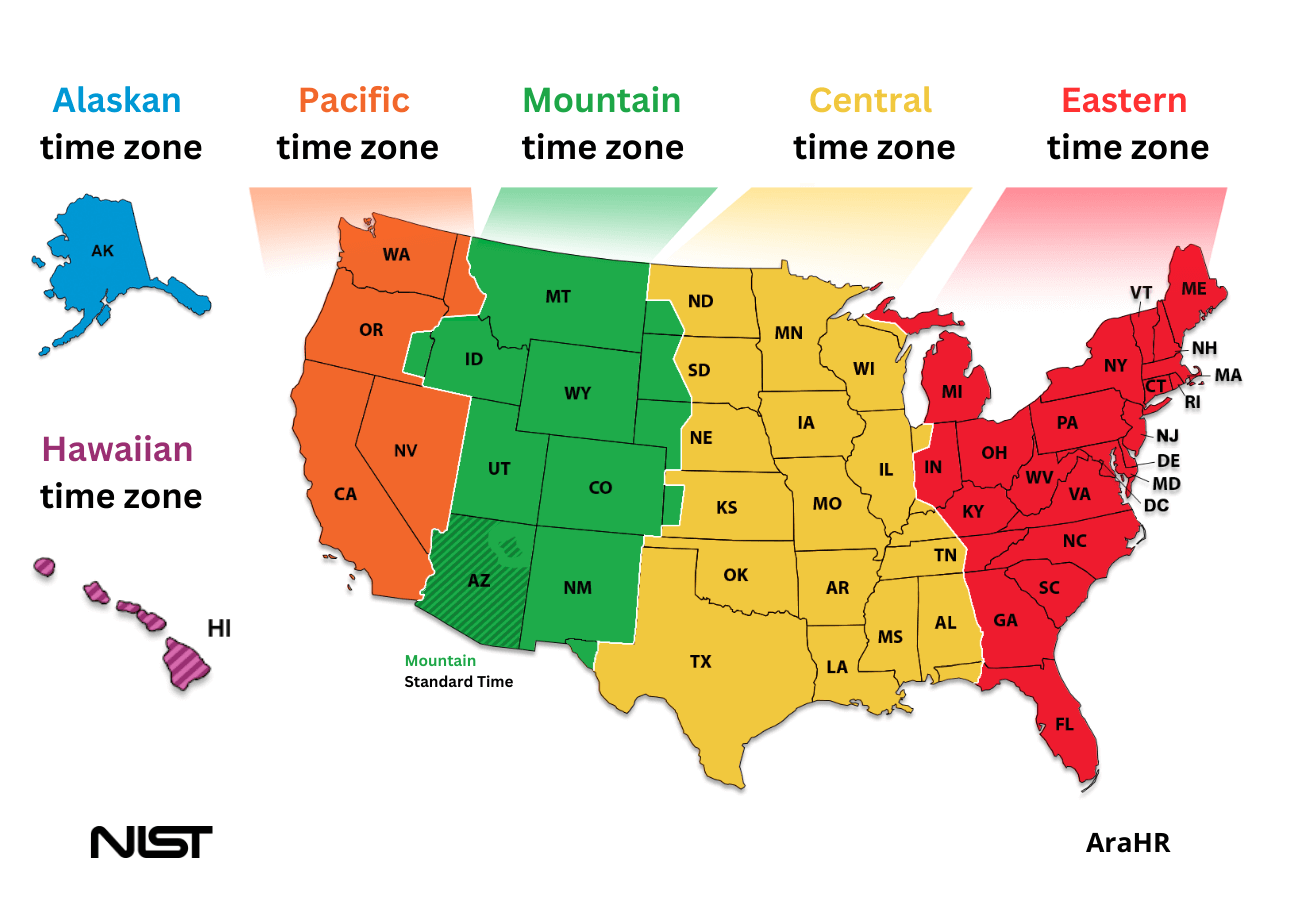
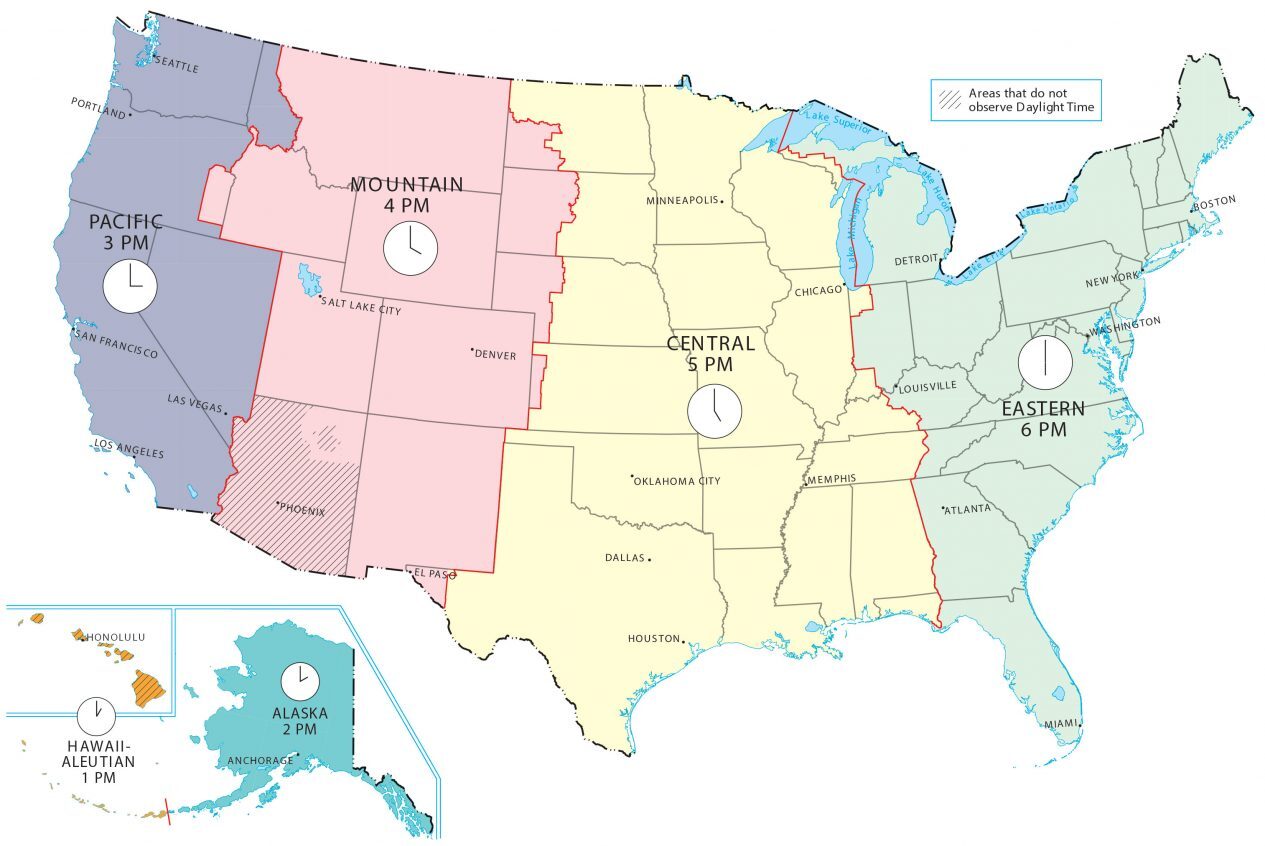
To fully appreciate Chicago’s temporal placement, it’s helpful to contrast it with other major time zones within America. This provides context for the vastness of the continent and the varying paces of life across its diverse regions.
Eastern Time Zone (ET)
To the east of the Central Time Zone lies the Eastern Time Zone (ET), which includes major cities such as New York City, Washington D.C., and Miami. Eastern Standard Time (EST) is UTC-5, and Eastern Daylight Time (EDT) is UTC-4. This means that during standard time, Chicago is one hour behind New York City. During daylight saving time, the difference remains one hour. This is a crucial distinction for travelers moving between these regions, whether for business or leisure.
Mountain Time Zone (MT)
To the west of the Central Time Zone, you’ll find the Mountain Time Zone (MT), which includes states like Colorado, Arizona (though most of Arizona does not observe daylight saving time), and parts of Montana and Utah. Mountain Standard Time (MST) is UTC-7, and Mountain Daylight Time (MDT) is UTC-6. Consequently, Chicago is two hours ahead of cities like Denver during standard time and also two hours ahead during daylight saving time.
Pacific Time Zone (PT)
Further west is the Pacific Time Zone (PT), encompassing states such as California, Oregon, and Washington. Pacific Standard Time (PST) is UTC-8, and Pacific Daylight Time (PDT) is UTC-7. This places Chicago three hours ahead of cities like Los Angeles and San Francisco, regardless of whether daylight saving time is in effect.
Practical Tips for Time Zone Transitions
Adjusting to a new time zone can sometimes be challenging. Here are a few practical tips to help you navigate the temporal shift when visiting Chicago:
Hydration and Light Exposure
Staying hydrated is crucial for combating jet lag. Upon arrival, drink plenty of water. Equally important is to expose yourself to natural light during daylight hours in Chicago, as this helps to reset your body’s internal clock. Conversely, try to avoid bright light in the evening.
Gradual Adjustment
If possible, begin adjusting your sleep schedule a day or two before your departure. Shift your sleep and wake times by an hour or two in the direction of your destination. This gradual transition can significantly ease the adjustment process.
Embrace the Local Schedule
Once you are in Chicago, commit to the local schedule as quickly as possible. Eat meals at local mealtimes and try to stay awake until a reasonable local bedtime, even if you feel tired. This is often the most effective way to adapt.
Utilize Technology Wisely
Your smartphone and other electronic devices will automatically update to the local time zone. However, be mindful of setting alarms and reminders, ensuring they are set for the correct local time. When coordinating with people in different time zones, use online time zone converters to avoid confusion.
By understanding that Chicago is firmly situated within the Central Time Zone (CT), you are equipped with a foundational piece of knowledge for planning a successful and enjoyable visit to this dynamic American city. This temporal awareness will enhance your travel experience, allowing you to fully appreciate the unique culture and attractions that Chicago has to offer, from the architectural marvels of its skyline to the culinary delights of its diverse neighborhoods.
LifeOutOfTheBox is a participant in the Amazon Services LLC Associates Program, an affiliate advertising program designed to provide a means for sites to earn advertising fees by advertising and linking to Amazon.com. Amazon, the Amazon logo, AmazonSupply, and the AmazonSupply logo are trademarks of Amazon.com, Inc. or its affiliates. As an Amazon Associate we earn affiliate commissions from qualifying purchases.