
When planning a trip to the Rocky Mountains and considering the diverse range of experiences that Colorado offers, the question of unwelcome guests might surface. While the stunning natural beauty and vibrant cities of the Centennial State are paramount, understanding potential nuisances is part of thorough travel preparation. This exploration delves into the presence of cockroaches in Colorado, addressing common concerns and providing insights relevant to travelers and temporary residents alike.
Understanding Insect Presence in Colorado
The notion of pests often conjures images of humid, tropical climates. However, the reality of insect populations is far more nuanced, influenced by a confluence of factors including climate, urban development, and human activity. Colorado, with its varied topography and climate zones, presents a unique environment for a wide array of arthropods.

Climate and Insect Distribution
Colorado’s climate ranges from semi-arid plains to alpine tundra, with significant temperature fluctuations between day and night and across seasons. These conditions influence insect life cycles and distribution. While some species thrive in warmer, more humid environments, others have adapted to survive the cold winters and dry summers characteristic of many parts of the state.
The presence of insects, including those often considered pests, is a natural part of any ecosystem. The key differentiator between a natural occurrence and a nuisance often lies in human proximity and the species involved. For travelers, understanding which insects are common can help manage expectations and prepare accordingly, particularly when considering accommodations.
Urban vs. Rural Environments
Insect populations can differ significantly between urban and rural settings. Cities, with their concentrated human populations, abundant food sources (both natural and discarded), and diverse structures providing shelter, often create environments conducive to certain insect species, including some that may be considered undesirable. Buildings, whether homes, hotels, or commercial establishments, can offer protection from the elements and access to resources, inadvertently creating habitats.
In contrast, more remote or rural areas of Colorado may have different insect profiles. While large wildlife might be more prevalent, the specific types of insects, including cockroaches, might be less common or entirely absent depending on the microclimate and available habitats. For the traveler, the distinction between a stay in downtown Denver versus a cabin in the San Juan Mountains can significantly impact the likelihood of encountering certain insects.
The Cockroach Question in Colorado
The direct answer to “Are there cockroaches in Colorado?” is yes, there are. However, this simple affirmation requires significant contextualization to be useful for travelers and those seeking accommodation. The species of cockroaches found in Colorado, their prevalence, and the circumstances under which they are encountered are crucial details.
Common Cockroach Species in Colorado
The most common cockroach species encountered in human dwellings in Colorado are typically the German cockroach (Blattella germanica) and the American cockroach (Periplaneta americana).
- German Cockroach: This species is small, light brown, and notoriously difficult to eradicate. They prefer warm, humid environments and are often found in kitchens, bathrooms, and areas with food and water. Their presence is usually indicative of an infestation within a structure.
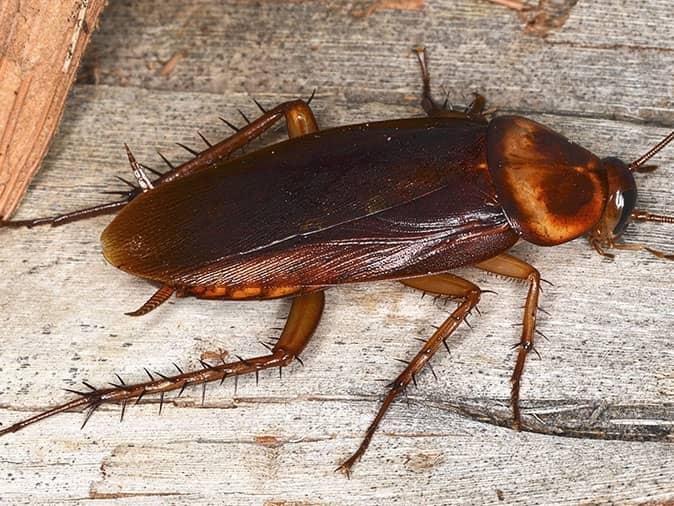
- American Cockroach: Larger than the German cockroach, the American cockroach is reddish-brown. While they can infest structures, they are also commonly found in sewers, basements, and damp, dark areas. Their presence in a living space might be more occasional, especially if they are entering from an external source.
It’s important to note that the “pest” aspect of cockroaches is largely tied to their association with human environments and the potential for them to spread disease. In their natural outdoor habitats, they play a role in the ecosystem.
Prevalence and Factors Influencing Presence
The prevalence of cockroaches in Colorado is not uniform. It is influenced by several factors:
- Urbanization and Building Age: Older buildings, especially those with cracks, crevices, and entry points, can be more susceptible to cockroach infestations. Densely populated urban areas like Denver, Boulder, and Colorado Springs may have a higher chance of encountering cockroaches in residential and commercial settings compared to more sparsely populated rural areas.
- Sanitation and Tidiness: Cockroaches are attracted to food, water, and shelter. Poor sanitation, unaddressed food debris, and water leaks create ideal conditions for them to thrive. This applies to any dwelling, including hotel rooms, vacation rentals, and apartments.
- Climate Extremes: While Colorado experiences cold winters that can deter outdoor insect populations, cockroaches, especially the German cockroach, are well-adapted to living indoors where temperatures are stable. This means that even in a cold climate, indoor infestations are possible year-round.
- Transportation of Goods: Like anywhere else, cockroaches can be inadvertently transported into homes and businesses through infested items, such as groceries, used furniture, or luggage.
Distinguishing Between Occasional Sightings and Infestations

For a traveler, distinguishing between an occasional sighting of a cockroach and a genuine infestation is key. A single cockroach in a hotel room, for instance, might be an anomaly, perhaps an American cockroach that has entered from outside or a drain. However, multiple sightings, especially of smaller cockroaches like the German cockroach, or evidence of droppings and egg cases, strongly suggest an infestation within the premises.
Cockroaches in Colorado Accommodations
When considering accommodation in Colorado, from luxury resorts in the mountains to hotels in the cities, understanding the potential for encountering cockroaches is a reasonable concern for many travelers. The hospitality industry generally adheres to strict pest control measures, but diligence is always advisable.
Hotel and Resort Standards
Reputable hotels and resorts in Colorado, such as those found in resort towns like Aspen or Vail, and major cities like Denver, implement regular pest management programs. These programs are designed to prevent and address any potential infestations to maintain a high standard of cleanliness and guest satisfaction. However, no establishment is entirely immune.
- Preventative Measures: Many establishments employ professional pest control services that conduct regular inspections and treatments. This includes sealing entry points, maintaining hygiene standards, and educating staff on pest identification and prevention.
- Guest Reporting: Hotels encourage guests to report any pest sightings immediately. This allows management to address the issue promptly, which might involve moving the guest to a different room, conducting a thorough inspection, and intensifying pest control efforts in the affected area.
Vacation Rentals and Long-Term Stays
Vacation rentals, including apartments and villas booked through platforms like Airbnb or VRBO, may have varying levels of pest control. While many owners are meticulous, the responsibility for pest management can sometimes fall more directly on the guest if issues arise.
- Due Diligence: When booking a vacation rental, it’s advisable to read recent reviews, paying attention to any mentions of pests. Some platforms may offer guarantees or dispute resolution processes for significant issues like infestations.
- Maintaining Cleanliness: For longer stays in rental properties, guests can help prevent attracting pests by maintaining good hygiene, storing food properly, and promptly cleaning up any spills or crumbs.
Preparing for Your Stay
To mitigate concerns about cockroaches or any other pests during your stay in Colorado:
- Inspect Your Room: Upon arrival at your accommodation, take a moment to do a quick visual inspection of the room, particularly around the bathroom and kitchenette areas if applicable. Look for any signs of droppings or live insects.
- Report Sightings Immediately: If you see a cockroach, do not hesitate to report it to the hotel management or rental host. Prompt reporting allows for swift action.
- Keep Food Sealed: If you bring snacks or food into your accommodation, keep them in sealed containers or bags to avoid attracting pests.
- Report Drainage Issues: Any plumbing or drainage issues should be reported, as these can be entry points for cockroaches.
Beyond Cockroaches: Colorado’s Fascinating Ecosystem
While addressing the specific question of cockroaches is practical for travelers, it’s essential not to let such concerns overshadow the incredible natural world Colorado has to offer. The state is renowned for its biodiversity, from the majestic elk and bighorn sheep roaming its mountains to the myriad of bird species and smaller mammals inhabiting its diverse landscapes.
Wildlife Encounters
Travelers in Colorado are far more likely to encounter magnificent wildlife than to be troubled by pervasive cockroach infestations, especially when venturing into natural areas. Parks like Rocky Mountain National Park offer unparalleled opportunities for wildlife viewing. Respecting wildlife and maintaining a safe distance is crucial for both visitor safety and animal well-being.
The Importance of Environmental Health
The presence of insects, including cockroaches, is often an indicator of the broader environmental health of an area. In well-maintained urban environments and pristine natural settings, populations are generally balanced. Issues arise when human activities create imbalances or introduce species that thrive unnaturally.
Responsible Travel Practices
Embracing responsible travel practices in Colorado extends beyond minimizing your environmental footprint. It also involves being informed and prepared. Understanding the local ecosystem, including the types of insects you might encounter, and choosing accommodations that prioritize cleanliness and pest management, contributes to a more enjoyable and comfortable travel experience.
In conclusion, while cockroaches do exist in Colorado, their presence is not a defining characteristic of the state for travelers. With appropriate awareness and by choosing reputable accommodations, visitors can largely expect a pest-free experience and focus on the breathtaking scenery and vibrant culture that make Colorado such a sought-after destination. From the bustling streets of Denver to the serene peaks of the Rocky Mountains, the Centennial State offers an abundance of natural beauty and adventure, far outweighing any minor concerns about unwelcome insect guests.
LifeOutOfTheBox is a participant in the Amazon Services LLC Associates Program, an affiliate advertising program designed to provide a means for sites to earn advertising fees by advertising and linking to Amazon.com. Amazon, the Amazon logo, AmazonSupply, and the AmazonSupply logo are trademarks of Amazon.com, Inc. or its affiliates. As an Amazon Associate we earn affiliate commissions from qualifying purchases.