
The allure of the Rocky Mountains, the vibrant urban culture, and the promise of adventure draw millions to Denver, Colorado each year. Whether you’re planning a weekend getaway or a more extended exploration, understanding the flight duration to this mile-high city is a crucial first step in planning your journey. Flight times are not monolithic; they are influenced by a constellation of factors, from your departure point to the specific airline and the intricacies of air traffic control. This guide aims to demystify flight durations to Denver, offering insights for travelers departing from major hubs across the United States, Canada, and even select international destinations.
Direct Flight Durations from Major U.S. Cities
For most travelers within the United States, the primary concern is the direct flight time to Denver International Airport (DEN). Denver’s central location makes it a relatively accessible hub from many parts of the country. The duration of these flights can vary significantly based on geographical proximity and prevailing wind patterns.
East Coast Departures
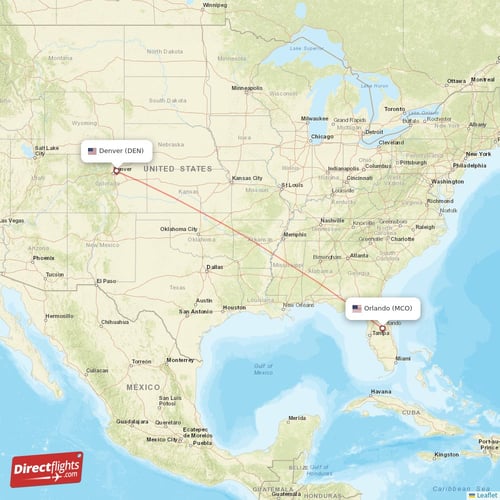
Flights from the East Coast to Denver are among the longest domestic routes. Cities like New York City (home to airports like JFK and LGA) or Washington D.C. (serving airports such as DCA and IAD) typically experience flight times ranging from 4 to 5 hours. This duration accounts for the substantial distance traveled across multiple time zones. Factors such as headwinds or tailwinds can subtly adjust these times; a strong tailwind can shave off precious minutes, while a headwind might extend the flight slightly. Airlines such as United Airlines, American Airlines, and Delta Air Lines offer frequent direct services from these major metropolitan areas.
Midwest Departures
Travelers originating from the Midwest find their flights to Denver considerably shorter. Cities like Chicago (serving ORD and MDW) or Minneapolis (home to MSP) generally see flight durations between 2.5 to 3.5 hours. This region is geographically much closer to Colorado, making for a more efficient journey. The relatively short flight time often means that passengers might be served fewer meal options, or only receive beverage service. Airlines like Southwest Airlines often operate a significant number of flights on these routes due to Denver being a major hub for them.
West Coast Departures
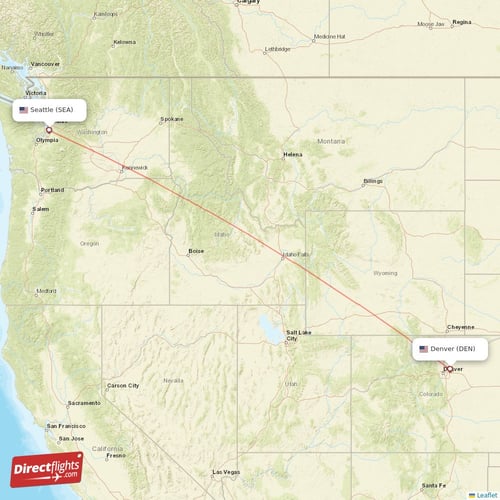
From the West Coast, including major hubs like Los Angeles (serving LAX), San Francisco (serving SFO), and Seattle (serving SEA), flights to Denver are quite brief, typically lasting between 2 to 3 hours. The westward journey across the United States is often aided by prevailing jet streams, which can further reduce flight times. This makes Denver an easily accessible destination for a spontaneous trip or a quick business visit from the Pacific states.
Southern Departures
Flights from Southern cities such as Dallas (serving DFW and DAL) or Houston (serving IAH and HOU) typically range from 3 to 4 hours. Denver‘s position in the Mountain West makes it a convenient connection point and destination from the Southern regions.
International Flight Durations to Denver
While the majority of visitors to Denver arrive domestically, international travelers also make their way to the Mile High City. These flights are, naturally, significantly longer and often involve connections.
Flights from Canada
For travelers coming from Canada, direct flights are available from major cities like Toronto, Vancouver, and Montreal. Flight times from Toronto to Denver can range from approximately 3.5 to 4.5 hours. From Vancouver, the flight is slightly shorter, typically around 3 hours. Flights from Montreal will be longer, often in the 4.5 to 5.5-hour range, due to the greater distance. Airlines like Air Canada and United Airlines are primary carriers on these routes.
Flights from Europe
Reaching Denver from Europe involves a transatlantic journey, which is considerably longer and almost always requires at least one connection, typically in a major hub like Chicago, New York City, or an international gateway city. Direct flights from Europe to Denver are uncommon, though some carriers may offer seasonal or limited direct service from select cities like London or Amsterdam. A typical flight from London to Denver, including a connection, would likely span a total travel time of 11 to 14 hours, encompassing the flight to the connecting city, layover, and the subsequent flight to Denver. Travelers from further east in Europe, such as Germany or France, can expect even longer total travel times, often exceeding 12 to 16 hours.
Flights from Asia

Journeys from Asia to Denver are the most extensive, invariably involving multiple connections. Flights from major Asian hubs like Tokyo, Seoul, or Beijing would require at least two stops, typically in major U.S. cities or international hubs in Europe or the Middle East. The total travel time can easily range from 18 to 25 hours or more. These long-haul journeys often necessitate overnight travel and significant layovers.
Factors Influencing Flight Duration
Several variables can subtly or significantly alter the time spent in the air on your flight to Denver. Understanding these can help manage expectations and potentially inform flight booking decisions.
Aircraft Type and Airline Operations
Different aircraft models have varying cruising speeds. While most commercial jets operate within a similar speed range, the specific aircraft assigned to a route can have a minor impact. Furthermore, airline operational efficiency, including taxi times at both departure and arrival airports, can contribute to the overall travel duration.
Jet Streams and Prevailing Winds
The jet stream is a high-altitude current of air that flows from west to east. Flying east with the jet stream (a tailwind) can significantly shorten flight times. Conversely, flying west against the jet stream (a headwind) will lengthen the flight. Denver’s location in the United States means that east-to-west flights are often affected by headwinds, while west-to-east flights can benefit from tailwinds. These atmospheric conditions are a primary reason why flights between the same two cities can have different durations depending on the direction of travel.
Air Traffic Control and Airport Congestion
Air traffic control plays a critical role in managing the flow of aircraft, especially in and around busy airports like Denver International Airport (DEN). Delays can occur due to weather, air traffic congestion, or operational issues at the airport. While not directly a “flight duration” factor in terms of time in the air, these can contribute to the overall time from gate to gate. Similarly, during peak travel seasons or times, airports can experience more congestion, leading to longer taxi times on the runway before takeoff and after landing.
Flight Path and Routing
While airlines aim for the most direct routes, air traffic control, weather patterns, and airspace restrictions can necessitate deviations from the shortest possible path. These rerouting decisions, though typically minor, can add a few minutes to the flight duration. The Federal Aviation Administration (FAA) manages air traffic in the United States, and their directives ensure safe and efficient flight paths.
Preparing for Your Flight to Denver
Knowing your flight duration is essential for packing, planning your in-flight entertainment, and coordinating airport transfers.
Packing for the Journey
For shorter domestic flights, you might opt for minimal carry-on luggage. However, for longer international flights, ensuring you have comfort items, snacks, and entertainment is key. Consider a neck pillow, a good book, or downloaded movies.
Time Zone Considerations
Denver is in the Mountain Time Zone (MST/MDT), which is two hours behind the Eastern Time Zone, three hours behind Central Time, and one hour ahead of the Pacific Time Zone. Factor in this time difference when calculating your arrival time and making onward travel arrangements.
Airport Logistics
Denver International Airport (DEN) is a large and busy airport. Allow ample time for check-in, security, and navigating to your gate, especially if you are unfamiliar with the layout. The airport itself offers a variety of amenities, including shops, restaurants, and art installations, so arriving early can allow for some exploration. The distance from the airport to downtown Denver is approximately 25 miles, and transportation options include taxis, ride-sharing services, and the RTD A-Line commuter train, which provides a convenient and cost-effective way to reach the city center.
By understanding the various factors that contribute to flight duration, travelers can better prepare for their journey to the captivating city of Denver, Colorado. Whether you’re flying from a neighboring state or across an ocean, a well-informed traveler is a happy traveler.
LifeOutOfTheBox is a participant in the Amazon Services LLC Associates Program, an affiliate advertising program designed to provide a means for sites to earn advertising fees by advertising and linking to Amazon.com. Amazon, the Amazon logo, AmazonSupply, and the AmazonSupply logo are trademarks of Amazon.com, Inc. or its affiliates. As an Amazon Associate we earn affiliate commissions from qualifying purchases.