
Understanding the local time in Loveland, Colorado is fundamental for any traveler, business professional, or curious individual planning to connect with this vibrant Front Range community. Situated at an elevation of approximately 5,000 feet, Loveland observes Mountain Time, a designation that dictates its daily rhythm and its alignment with global temporal frameworks. As part of the contiguous United States, Loveland adheres to Daylight Saving Time (DST), a practice that shifts its clocks forward by one hour during warmer months, aligning with the broader observational patterns of most North American regions.
The precise time in Loveland, Colorado, is intrinsically linked to its geographical coordinates and its participation in the standardized time zones of North America. Located in the Mountain Time Zone, Loveland observes Mountain Standard Time (MST) which is UTC-7 during standard periods, and Mountain Daylight Time (MDT) which is UTC-6 when Daylight Saving Time is in effect. This temporal distinction is crucial for coordinating travel, business meetings, and even simple communication with individuals or entities operating in different time zones.
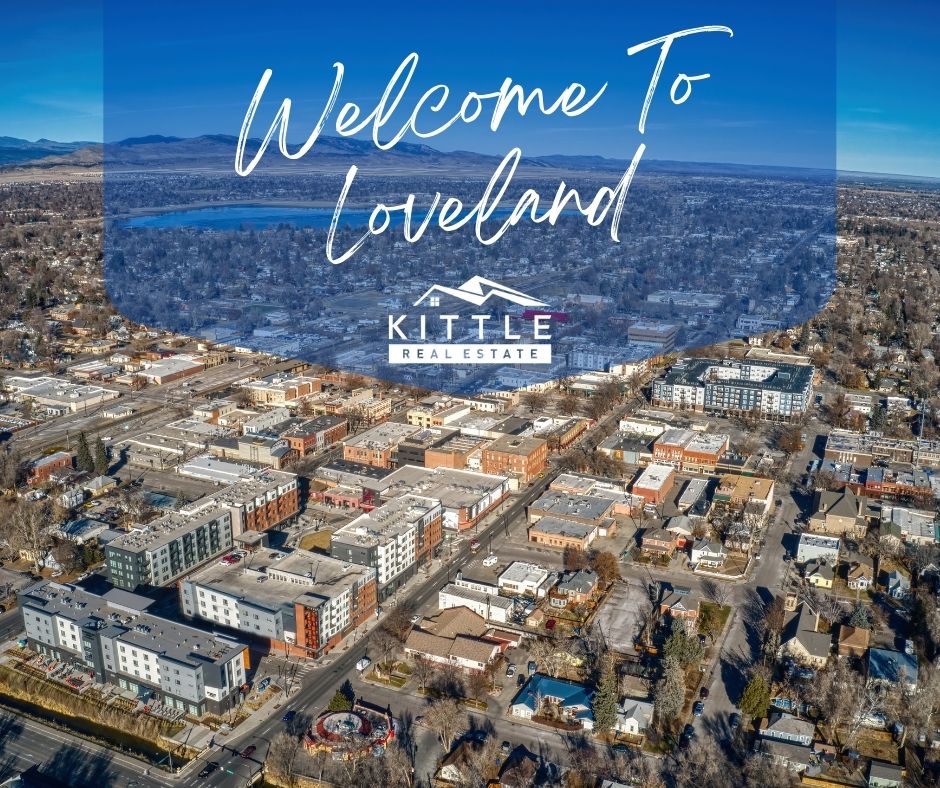
Navigating Time Zones and Daylight Saving in Loveland
The Mountain Time Zone spans a significant portion of the western United States, encompassing states from Montana and North Dakota down to Arizona and New Mexico, though with notable exceptions. Colorado, including Loveland, firmly falls within this zone, influencing everything from when businesses open their doors to the timing of local events and the broadcast schedules of media outlets.
Understanding Daylight Saving Time (DST)
Daylight Saving Time in the United States typically begins on the second Sunday in March and ends on the first Sunday in November. During this period, clocks are advanced by one hour. This means that for roughly eight months of the year, Loveland operates on Mountain Daylight Time (MDT), which is seven hours behind Coordinated Universal Time (UTC-6). The rest of the year, it reverts to Mountain Standard Time (MST), which is eight hours behind Coordinated Universal Time (UTC-7). This annual shift is a widely observed practice, though its implementation and necessity are subjects of ongoing discussion. For visitors, it’s a simple adjustment, but for those relocating or establishing businesses, understanding these temporal shifts is paramount to avoiding scheduling conflicts and ensuring operational continuity.
The transition to and from DST can sometimes lead to minor disruptions in communication systems and scheduling, though modern technology generally synchronizes automatically. However, for travelers relying on older devices or manual clock adjustments, remembering these dates can prevent confusion. Planning a trip to Loveland during these transitional weeks requires a conscious effort to confirm the local time, especially if arriving from a region that does not observe DST or follows a different schedule.
Time Zone Cohesion and Global Connections
The standardization of time zones, including the Mountain Time Zone, is a product of the late 19th and early 20th centuries, designed to streamline railway operations and facilitate commerce. Today, this system allows for relatively straightforward coordination across the continent. For instance, when it is noon in Loveland, it is 1 PM in the Central Time Zone (e.g., Chicago), 11 AM in the Pacific Time Zone (e.g., Los Angeles), and 2 PM in the Eastern Time Zone (e.g., New York City). Understanding these differentials is key for anyone making calls, booking flights, or arranging remote meetings with individuals in other parts of the country or the world.
The impact of time zone differences extends beyond simple scheduling. For businesses operating in Loveland, understanding the temporal overlap with global markets is crucial. A company engaged in international trade, for example, must be aware of the working hours in their partners’ locations to ensure timely communication and efficient transaction processing. Similarly, for individuals with family or friends abroad, knowing the time difference is essential for maintaining connections without causing undue inconvenience.
Practical Implications for Travelers and Residents
The time in Loveland, Colorado, directly influences a multitude of practical aspects of life and travel. From the opening hours of local attractions to the availability of services, temporal awareness is a constant consideration.
Planning Your Loveland Itinerary

When planning a visit to Loveland, whether for leisure or business, understanding the local time is the first step. Attractions like the Benson Sculpture Garden, the Old Town Loveland historic district, or the gateway to Rocky Mountain National Park operate on schedules that align with Mountain Time. For example, if a guided tour in Rocky Mountain National Park is advertised to start at 9 AM, it means 9 AM Mountain Time. Similarly, dining reservations at popular Loveland restaurants, such as Caterpillar Cafe or Smokin’ Dave’s BBQ, will be set according to the local clock.
The operating hours of local businesses, including shops, galleries, and service providers, are also dictated by the local time. If you are planning to visit during specific hours, it is always advisable to confirm their opening and closing times, as these can vary and are typically listed in Mountain Time. This is especially relevant when considering activities that might be time-sensitive, such as booking a tee time at the Mariana Butte Golf Course or attending a performance at the Moxi Theater.
Business and Professional Engagements
For professionals visiting Loveland for meetings or conferences, precision in timekeeping is non-negotiable. Businesses in Loveland, much like those in other parts of the Mountain Time Zone, will conduct their operations based on local temporal norms. This includes the timing of conference calls, the start of business days, and the end of working hours. If you are coordinating with a company based in Loveland, such as Hach Company or Xcel Energy, ensuring you are aligned with their local time is crucial for effective communication and productivity.
Remote workers or freelancers who are temporarily based in Loveland will also find themselves operating within the rhythm of Mountain Time. This synchronization is important for collaborating with international teams or adhering to client deadlines that may be set in different time zones. Utilizing online tools or simply being mindful of the clock difference is essential for seamless professional interactions.
The Broader Context: Loveland and the Mountain Time Zone
Loveland’s placement within the Mountain Time Zone connects it to a vast geographical expanse and a unique cultural identity shaped, in part, by its temporal alignment. This zone is home to diverse landscapes, from the towering peaks of the Rockies to the high desert plains, and a population that spans a variety of industries and lifestyles.
Regional Significance of Mountain Time
The Mountain Time Zone is not just a geographical designation; it represents a shared temporal experience for millions of people. Its adoption has facilitated the development of industries that rely on regional coordination, such as agriculture, mining, and tourism, all of which play a role in the economy of Colorado and its neighboring states. When considering the time in Loveland, one is also considering the time in cities like Denver, Salt Lake City, and Phoenix (though Arizona famously does not observe DST for most of the state). This shared time zone fosters a sense of regional unity and simplifies inter-state commerce and travel.
The economic implications of the Mountain Time Zone are substantial. Many businesses operate with a synchronized workday, allowing for efficient communication and collaboration across a wide geographic area. This is particularly true for sectors like technology, finance, and customer service, where timely responsiveness is critical. The consistent temporal framework provided by the Mountain Time Zone underpins the operational efficiency of countless enterprises.

Time and Culture in the American West
The culture of the American West is, in many ways, influenced by its vastness and the slower pace that can often accompany it. While modern technology has compressed distances and accelerated communication, the inherent temporal rhythms of the region persist. The time in Loveland, reflecting the broader Mountain Time Zone, contributes to this unique Western character. Whether it’s the early morning start for ranchers or the late afternoon sun casting long shadows across the foothills, the local time plays a subtle yet significant role in shaping daily life and cultural experiences.
The relationship between time and outdoor activities is also particularly pronounced in the Mountain West. With abundant opportunities for hiking, skiing, and exploring natural wonders like the Big Thompson River, understanding the daylight hours dictated by the local time is paramount for safety and enjoyment. Planning an ascent of a peak in Rocky Mountain National Park, for instance, requires an awareness of sunset times, which are directly tied to the current time in Loveland.
In conclusion, the question “What time is it in Loveland, Colorado?” is more than a simple query; it is an entry point into understanding the temporal fabric of a community, its connections to a wider region, and the practical considerations that govern daily life, travel, and business within the Mountain Time Zone. Whether you are a tourist planning your next adventure, a business professional arranging a crucial meeting, or simply curious about the temporal landscape of the American West, being aware of the time in Loveland ensures you are perfectly in sync with this charming Colorado city.
LifeOutOfTheBox is a participant in the Amazon Services LLC Associates Program, an affiliate advertising program designed to provide a means for sites to earn advertising fees by advertising and linking to Amazon.com. Amazon, the Amazon logo, AmazonSupply, and the AmazonSupply logo are trademarks of Amazon.com, Inc. or its affiliates. As an Amazon Associate we earn affiliate commissions from qualifying purchases.