

The Legal Landscape: California’s Stance on Exotic Pet Ownership
Owning an owl in the Golden State is a topic that frequently sparks curiosity among wildlife enthusiasts. The immediate, straightforward answer for most private citizens is a resounding no. California, renowned for its commitment to conservation and biodiversity, maintains some of the strictest exotic pet laws in the United States. These regulations are designed to protect both the welfare of wild animals and the safety of human communities, preventing the spread of disease, invasive species issues, and the illegal wildlife trade. The intricate web of federal and state statutes makes it exceptionally difficult, if not impossible, for an average person to legally acquire and keep an owl as a pet. Understanding these legal frameworks is crucial for anyone considering such a unique companion, reflecting a responsible lifestyle choice rooted in compliance and ethical consideration.
Federal Protections: The Migratory Bird Treaty Act
At the federal level, all native owls in the United States are protected under the Migratory Bird Treaty Act (MBTA) of 1918. This landmark legislation makes it illegal to hunt, capture, kill, sell, purchase, possess, or transport migratory birds, their eggs, parts, or nests, without a valid permit. Owls, regardless of their migratory habits, fall under the protective umbrella of the MBTA. This means that even if an owl is found injured or orphaned, an individual cannot simply take it home. Specialized permits are required for rehabilitation, scientific research, educational display, or falconry. This federal law is the primary barrier to private owl ownership across the nation, not just in California. It underscores a commitment to preserving wild avian populations and their ecological roles.
California State Regulations: Fish and Game Code
Complementing the federal mandates, California has its own robust set of laws governing exotic animals, primarily enforced by the California Department of Fish and Wildlife (CDFW). The California Fish and Game Code explicitly lists owls as “fully protected birds,” offering them additional state-level safeguards. Section 2118 of the Fish and Game Code classifies certain species as “restricted live wild animals,” meaning they cannot be imported, transported, or possessed without a permit issued by the CDFW. Owls fall squarely into this category. The state’s primary concern is preventing detrimental impacts on native wildlife populations and ecosystems, as well as public health and safety. The regulations reflect a deep understanding of the ecological role these magnificent raptors play and the challenges inherent in providing them with appropriate care in a domestic setting. For residents, this means that seeking an owl as a pet is fundamentally at odds with state policy.
Permits and Exceptions: What it Takes to Qualify
While general private ownership is prohibited, there are very specific, highly regulated circumstances under which an individual or institution may possess an owl in California. These exceptions are not for pet ownership in the traditional sense, but rather for specialized professional or conservation-oriented purposes.
- Wildlife Rehabilitation: Licensed wildlife rehabilitators, operating under strict state and federal permits, may care for injured or orphaned owls with the ultimate goal of releasing them back into the wild. Their facilities and expertise must meet stringent standards to ensure optimal care and successful reintroduction.
- Educational Exhibitors: Zoos, nature centers, and other accredited educational institutions may obtain permits to possess owls for public display and education, provided they demonstrate the capacity to offer appropriate housing, diet, veterinary care, and enrichment. These entities typically work with non-releasable birds, using them as ambassadors for their species.
- Scientific Research: Researchers with approved projects studying owl populations, behavior, or conservation may be granted permits. These studies are critical for understanding and protecting these species.
- Falconry: This ancient art involves training raptors for hunting. California allows falconry, but obtaining a falconry license is an extremely rigorous process. It requires extensive apprenticeship, passing comprehensive exams, demonstrating profound knowledge of raptor biology and care, and adherence to strict regulations regarding housing (mews), equipment, and ethical hunting practices. Even then, the birds are not considered “pets” but rather working partners in a highly specialized field. The species available for falconry are also regulated, and typically involve native raptors trapped from the wild under permit, or captive-bred birds from licensed breeders. This is a lifestyle choice that demands immense dedication, time, and financial investment, far beyond typical pet ownership.
Beyond Legality: The Ethics and Realities of Owning an Owl
Even if the legal hurdles could somehow be overcome—which, for a private individual seeking a pet, is highly improbable in California—the ethical implications and practical realities of owl ownership are profound. These are not domesticated animals like cats or dogs, bred over millennia to coexist with humans. Owls are wild creatures with complex needs that are almost impossible to meet in a typical home environment. Embracing a responsible lifestyle means understanding these considerations, prioritizing the animal’s welfare over personal desire.
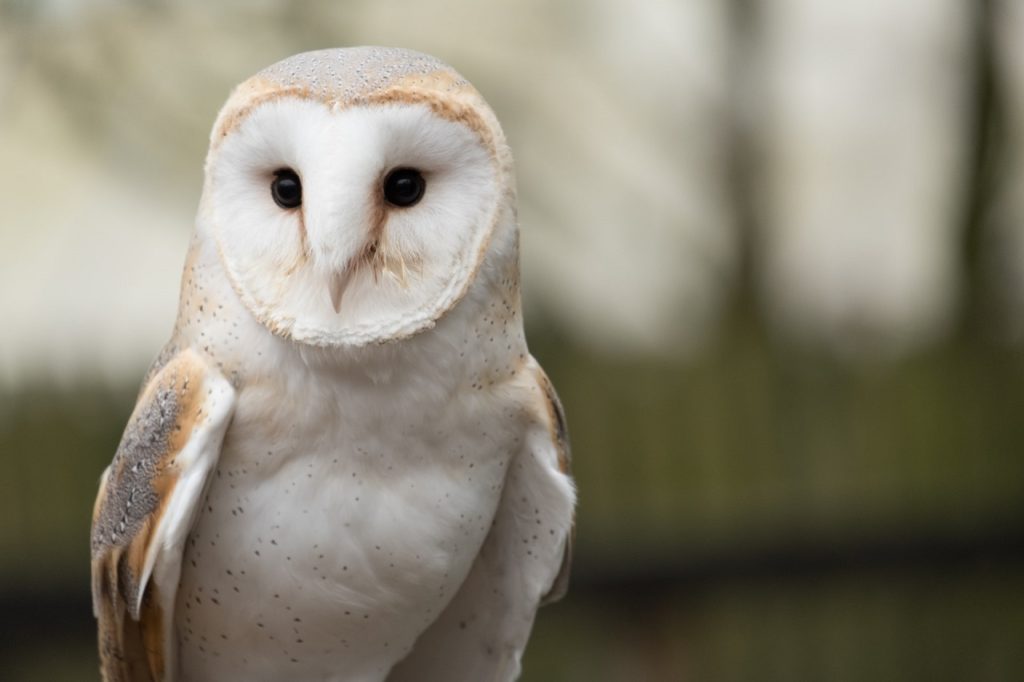
A Commitment for Life: The Demands of Owl Care
Owls have specific and demanding requirements that extend far beyond what most people can provide.
- Diet: Owls are obligate carnivores, meaning they must eat whole prey, including rodents, small birds, and insects. This isn’t just about providing raw meat; it means feeding them whole, unprocessed carcasses, often several times a day. Sourcing, storing, and preparing this diet can be challenging and unappetizing for many, requiring specialized knowledge and stomach for the task.
- Housing: A wild owl requires vast territories for hunting and natural behaviors. In captivity, they need spacious, specialized enclosures (aviaries or mews) that protect them from elements and predators while allowing for flight and exercise. A typical backyard or indoor space is entirely inadequate for their physical and mental well-being. The enclosure must be meticulously cleaned and maintained to prevent disease, a constant and arduous task.
- Enrichment: Owls are intelligent and active. Without appropriate mental and physical stimulation, they can suffer from stress, boredom, and develop detrimental stereotypical behaviors. Replicating natural hunting, perching, and social interactions in a captive environment is incredibly difficult, demanding constant creativity and resourcefulness from a dedicated caregiver.
- Veterinary Care: Finding a veterinarian with expertise in raptor medicine is rare and expensive. Standard pet vets often lack the specialized knowledge required for avian anatomy, physiology, and common raptor ailments, making specialized care a significant logistical and financial burden.
- Lifespan: Many owl species can live for 10-20 years, or even longer in captivity. This is a significant, long-term commitment that requires consistent resources and dedication, outliving many conventional pets.
- Safety: Owls have sharp talons and beaks, designed for hunting. Even a “tame” owl can inflict serious injury, intentionally or not, especially if startled or stressed. Their natural instincts are always present, making them unsuitable for close, unmanaged interaction.
Conservation vs. Cages: Supporting Wild Populations
From a conservation perspective, removing owls from their natural habitats, even for “pet” purposes, can have detrimental effects on wild populations. Every owl taken from the wild reduces the breeding pool and genetic diversity, weakening the species’ overall resilience. Furthermore, improper care can lead to health issues for the individual bird, and if it escapes, it could pose a risk to local ecosystems by introducing diseases or competing with native wildlife. A truly ethical lifestyle choice prioritizes the well-being of species in their natural environments. Instead of seeking to possess an owl, the focus should shift to supporting conservation efforts that protect their habitats and ensure their survival in the wild. This includes supporting organizations dedicated to habitat preservation, scientific research, and wildlife rehabilitation, fostering a more sustainable and impactful connection with nature.
Alternative Ways to Connect with Owls in California
For those captivated by owls and living in or visiting California, there are numerous responsible and rewarding ways to appreciate these magnificent birds without attempting to own one. These alternatives align perfectly with a lifestyle that values nature and conservation, offering profound educational and experiential opportunities.
Visiting Wildlife Rehabilitation Centers
Many excellent wildlife rehabilitation centers across California provide critical care for injured and orphaned raptors, including owls. Centers like the California Wildlife Center in Malibu, the Lindsay Wildlife Experience in Walnut Creek, or the International Bird Rescue (which sometimes cares for aquatic owls or those found near water) offer opportunities to learn about owls up close. Many facilities have non-releasable resident raptors that serve as educational ambassadors, helping the public understand their ecological importance. By visiting these centers, attending their programs, or even volunteering, you can contribute directly to their mission of wildlife conservation and gain invaluable insight into these birds’ lives and needs from expert caregivers.
Engaging with Falconry (Permitted Activities)
For a select few with extreme dedication, pursuing a falconry license in California offers an unparalleled, albeit demanding, path to working with raptors. As mentioned, this is not pet ownership but an ancient hunting tradition rooted in deep respect for the birds and their natural instincts. Individuals interested in this path must understand it requires years of apprenticeship, significant financial investment, and unwavering commitment to the raptor’s well-being and the rigorous ethical guidelines. It’s a specialized lifestyle, not a casual hobby, demanding a profound understanding of wildlife and a willingness to commit to a demanding, regulated practice.
Ecotourism and Wildlife Viewing Opportunities
California’s diverse ecosystems provide fantastic opportunities for observing owls in their natural habitats.
- Night Hikes: Many state and national parks, such as Yosemite National Park or Redwood National Park, offer guided night hikes where naturalists teach participants how to spot and identify owls by their calls. Listening for the distinctive hoot of a Great Horned Owl or the chirping of a Western Screech Owl can be a magical experience, fostering a deep appreciation for their wild existence.
- Birdwatching: Joining local birdwatching groups or Audubon societies can lead to discoveries of owl roosting sites (from a respectful distance) and provide a community of like-minded enthusiasts. Resources like the Cornell Lab of Ornithology offer invaluable tools for identifying species and understanding their behaviors, enhancing the responsible birdwatcher’s experience.
- Owl Boxes: Erecting an owl box on your property can attract species like Barn Owls, providing natural pest control and a unique opportunity to observe them from afar, especially if you live in rural or semi-rural areas. Ensure boxes are properly designed and placed to be safe and effective, contributing positively to local wildlife.

Implications for California Residents and Visitors
For anyone residing in or planning to visit California, understanding the state’s stringent wildlife laws is a key aspect of responsible living and interaction with the natural environment. The strict regulations regarding owl ownership underscore a broader philosophy in California: that wild animals belong in the wild. This stance is rooted in a desire to protect the state’s rich biodiversity and ensure public safety. Attempts to circumvent these laws can result in severe penalties, including hefty fines and even imprisonment, reflecting the serious nature of violating wildlife protections. Instead of aspiring to own an owl, residents and visitors are encouraged to embrace a lifestyle that supports wildlife conservation through education, responsible viewing, and backing organizations dedicated to protecting these magnificent birds. This approach not only respects the law but also fosters a deeper, more ethical connection with California’s invaluable natural heritage, promoting a lifestyle harmonious with the wild.
LifeOutOfTheBox is a participant in the Amazon Services LLC Associates Program, an affiliate advertising program designed to provide a means for sites to earn advertising fees by advertising and linking to Amazon.com. Amazon, the Amazon logo, AmazonSupply, and the AmazonSupply logo are trademarks of Amazon.com, Inc. or its affiliates. As an Amazon Associate we earn affiliate commissions from qualifying purchases.