
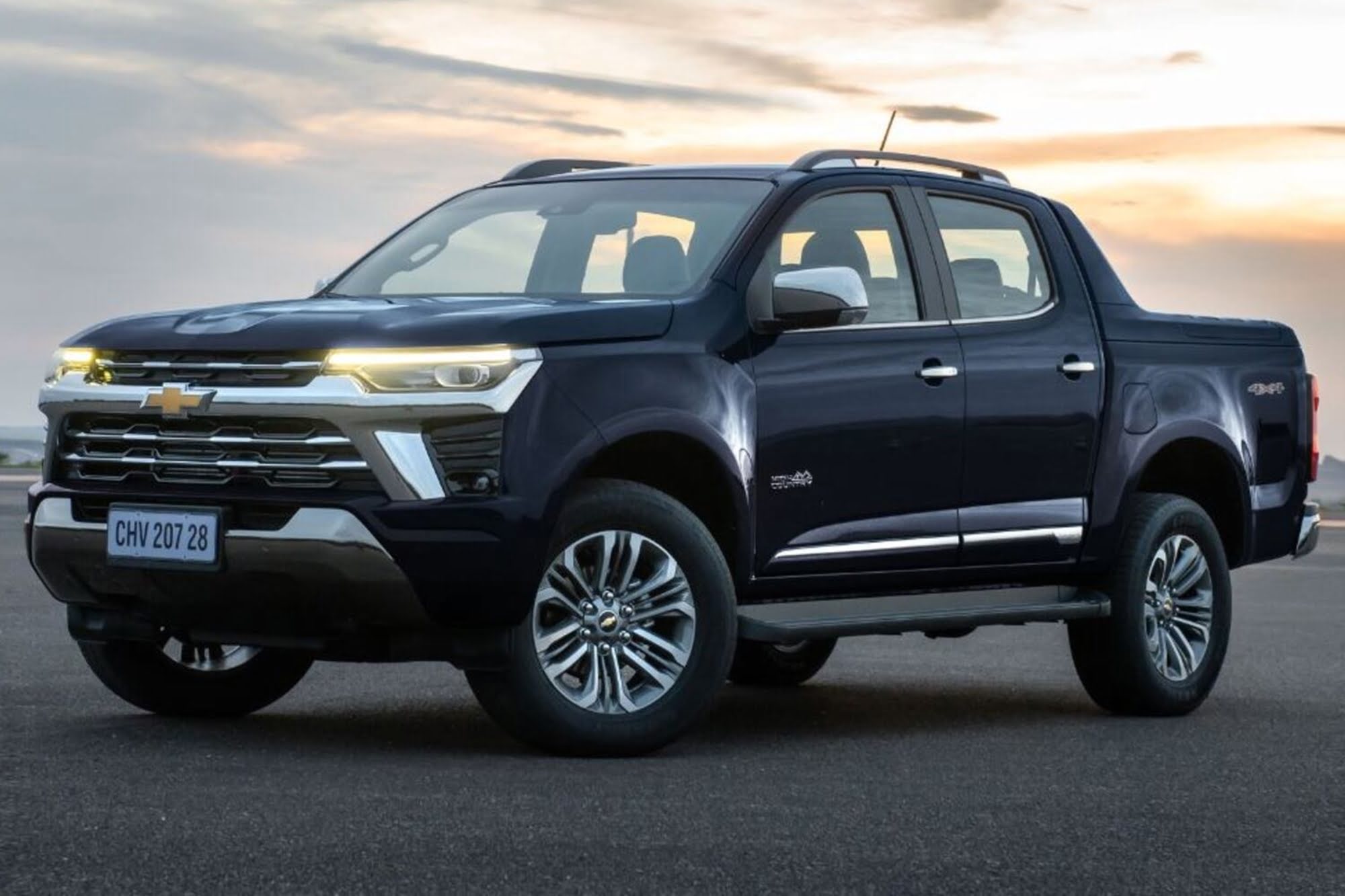
The Chevrolet Colorado is a mid-size pickup truck that has carved out a significant niche in the automotive market. Renowned for its blend of capability, comfort, and affordability, it appeals to a broad spectrum of drivers, from those needing a workhorse for their business to adventurers seeking a reliable companion for their weekend escapades. Understanding the origins of such a popular vehicle often sparks curiosity, particularly for those interested in the global manufacturing landscape and the intricate supply chains that bring vehicles to life. This exploration delves into the manufacturing footprint of the Chevrolet Colorado, tracing its journey from concept to assembly line.

The question of “Where is the Chevrolet Colorado made?” is not a simple one with a single, straightforward answer. Like many global automotive products, its production is a multifaceted operation, often involving multiple manufacturing facilities across different regions to serve various markets efficiently. While the primary assembly plants are key to its identity, the components that make up the Colorado are sourced from an even wider network of suppliers, underscoring the interconnectedness of the modern automotive industry.
Global Production Footprint of the Chevrolet Colorado
The manufacturing strategy for the Chevrolet Colorado has evolved over its different generations. Historically, and continuing into its recent iterations, key assembly operations have been centered in North America, reflecting General Motors‘s commitment to its home markets and the significant demand for pickup trucks in countries like the United States and Canada. However, the global nature of the automotive business means that production can also extend to other regions to cater to local preferences and logistical advantages.
North American Assembly Operations
For the North American market, the heart of Chevrolet Colorado production has predominantly resided within the United States. General Motors has historically utilized its robust manufacturing infrastructure in the United States to build this popular mid-size truck.
Wentzville Assembly Plant, Missouri
The Wentzville Assembly Plant in Missouri has been a pivotal location for the assembly of the Chevrolet Colorado. This facility, a long-standing pillar of General Motors’s manufacturing capabilities, is responsible for producing a significant volume of these trucks. The plant’s operations are characterized by advanced robotics, streamlined assembly processes, and a dedicated workforce focused on quality and efficiency. The Wentzville Assembly Plant has a legacy of producing various General Motors trucks, and its role in building the Colorado highlights its importance in the company’s truck portfolio. The plant’s strategic location in the heartland of America facilitates distribution across the country, making it a critical hub for meeting consumer demand.
Other Potential North American Sites
While Wentzville Assembly Plant in Missouri is a primary site, General Motors may utilize other facilities within its North American network for specific components or assembly phases, depending on production needs and strategic planning. The flexibility of General Motors’s manufacturing footprint allows for adjustments to meet market dynamics and maintain production efficiency. For instance, certain specialized versions or components might be sourced or assembled at different locations within the United States or even Canada, though the bulk of the assembly for the North American consumer base is anchored in Missouri.
International Production and Market Specifics
The Chevrolet brand is a global entity, and its vehicles are often adapted and produced to meet the specific requirements and regulations of different international markets. While the Chevrolet Colorado is predominantly associated with North American production, its presence in other regions necessitates localized manufacturing or distribution strategies.
Brazil and South America
In South America, particularly in Brazil, the Chevrolet S10 is a closely related sibling to the Chevrolet Colorado. While not identical in every specification, the S10 shares significant design and engineering principles with the Colorado and is produced locally within Brazil at General Motors’ facilities. This local production allows General Motors to tailor the vehicle to the preferences and demands of the South American market, including its robust demand for pickup trucks. The São José dos Campos plant in Brazil has historically been a key site for the production of Chevrolet trucks in the region. This localized approach is crucial for navigating import duties, localizing components, and understanding regional consumer tastes.

Other Global Markets
In other international markets where the Chevrolet Colorado might be sold, the strategy can vary. Some markets may receive vehicles directly imported from North American assembly plants. In other instances, General Motors may engage in partnerships or utilize existing manufacturing agreements to assemble the Colorado locally. The specific location of production in these cases is highly dependent on the market’s size, economic conditions, and General Motors’ overall global manufacturing strategy at that time. For example, in certain Asian markets, a truck that shares heritage with the Colorado might be produced under a different brand or nameplate by a local partner.
The Supply Chain: A Global Network of Components
Beyond the final assembly lines, the creation of a Chevrolet Colorado is dependent on an intricate global supply chain. Thousands of individual components, ranging from engines and transmissions to interior trim and electronic systems, are manufactured by specialized suppliers located across the world.
Engine and Powertrain Manufacturing
The heart of the Colorado, its engine and transmission, are critical components often manufactured at dedicated General Motors facilities or by trusted automotive suppliers. For instance, General Motors operates engine plants in various locations, such as Michigan and Ohio in the United States, which may produce the powertrains used in the Colorado. Similarly, transmissions could originate from specialized plants within the General Motors network or from key partners. The sourcing of these vital parts contributes to the overall manufacturing origin story of the vehicle.
Chassis, Body, and Interior Components
The structural integrity of the Colorado, its body panels, and its interior fittings are all products of a vast network of suppliers. Steel for the chassis and body might be sourced from mills in North America or even from international providers, depending on cost and availability. Manufacturers specializing in suspension systems, braking components, and steering mechanisms also contribute to the vehicle’s construction.
The interior, with its seats, dashboard, infotainment systems, and various plastics and fabrics, is another area where global sourcing plays a significant role. Companies in Asia, particularly countries like China and South Korea, are major suppliers of automotive electronics and interior components. These parts are then shipped to the assembly plants to be integrated into the final product. The complexity of modern vehicle manufacturing means that almost every component has its own origin story, contributing to the vehicle’s global manufacturing footprint.
Impact of Manufacturing Location on the Consumer
The location where a Chevrolet Colorado is assembled can have several implications for the consumer, though the overarching goal of manufacturers like General Motors is to ensure consistent quality and performance regardless of the production site.
Quality Control and Standards
General Motors implements rigorous quality control measures across all its manufacturing facilities worldwide. Whether a Colorado is assembled in Wentzville, Missouri, or any other GM plant, it undergoes the same stringent testing and inspection protocols. This ensures that the vehicle meets General Motors’ high standards for durability, safety, and performance. While individual assembly lines might have unique operational nuances, the fundamental engineering and design specifications are applied uniformly.
Economic and Environmental Considerations
The choice of manufacturing location also carries economic and environmental weight. Producing vehicles in domestic markets like the United States can support local economies through job creation and investment. Conversely, manufacturing in other regions might be driven by factors such as lower production costs, proximity to raw materials, or specific trade agreements.
Environmentally, modern automotive plants are increasingly focused on sustainability. General Motors has committed to reducing its environmental impact through initiatives like renewable energy use, waste reduction, and efficient water management at its manufacturing sites. The specific environmental footprint of a Colorado will therefore be influenced by the practices of the plant where it is assembled and the overall sustainability efforts of General Motors at that location. Understanding where the Chevrolet Colorado is made, therefore, offers a glimpse into a complex global enterprise that bridges continents to deliver a vehicle that serves a wide array of needs.
LifeOutOfTheBox is a participant in the Amazon Services LLC Associates Program, an affiliate advertising program designed to provide a means for sites to earn advertising fees by advertising and linking to Amazon.com. Amazon, the Amazon logo, AmazonSupply, and the AmazonSupply logo are trademarks of Amazon.com, Inc. or its affiliates. As an Amazon Associate we earn affiliate commissions from qualifying purchases.