
Understanding firearms legality is a crucial aspect of responsible citizenship and a key component of the lifestyle choices for many individuals, whether they are residents of California or visitors planning activities within the state. California is renowned for having some of the most stringent gun control laws in the U.S., and shotguns, despite their common perception, are not exempt from this complex regulatory framework. For those whose lifestyle includes hunting, sport shooting, or even simply considering a firearm for home defense, navigating these laws is not just a legal obligation but a practical necessity to ensure compliance and peace of mind.
The Broader Context of California’s Firearms Regulations
California’s approach to firearms is characterized by a multi-layered system of restrictions that often exceed federal mandates. This regulatory environment shapes the availability, ownership, and use of all types of firearms, including shotguns. For individuals integrating firearm ownership or use into their lifestyle, this means a consistent need for vigilance and education. The state’s legislative philosophy tends to prioritize public safety through strict controls, which has a direct impact on the day-to-day decisions of gun owners and enthusiasts.
A Landscape of Regulation
The legislative landscape in California is dynamic, with new laws and amendments frequently being introduced. This constant evolution means that what might have been permissible last year could be subject to new rules today. For example, recent years have seen increased scrutiny on firearm types, magazine capacities, and even ammunition sales. This necessitates that individuals whose lifestyle involves firearms stay continually informed. The intent behind many of these laws is to reduce gun violence, but their practical effect is a highly regulated environment that requires careful navigation, impacting everything from purchasing decisions to how firearms are transported and stored.
Federal vs. State Mandates
While federal law, primarily through the National Firearms Act and various other statutes, sets a baseline for firearm regulation across the U.S., California often implements its own, more restrictive provisions. For shotguns, this means that while a particular configuration might be legal federally, it could still be prohibited under state law. This dual system can create confusion, particularly for individuals relocating to California from other states or for those who travel frequently with their firearms. Understanding which jurisdiction’s rules apply, and when, is paramount. The California Department of Justice serves as the primary enforcement agency and provides extensive resources, but ultimately, the responsibility for compliance rests with the individual. This interplay of federal and state laws is a critical consideration for anyone integrating firearms into their California lifestyle.
Specific Regulations Affecting Shotguns in California
Despite their common image as traditional hunting or sporting tools, shotguns in California are subject to a detailed set of regulations that define what constitutes a legal firearm and how it can be owned and used. These regulations are particularly important for individuals whose lifestyle choices involve these types of firearms, whether for recreation, sport, or personal security.
Defining a Legal Shotgun
At a foundational level, California law defines what characteristics a shotgun must possess to be legally owned. Key specifications include barrel length, which must be at least 18 inches, and an overall length of no less than 26 inches. These minimums are consistent with federal law but are non-negotiable within the state. Beyond these basic dimensions, the state also imposes restrictions on magazine capacity. For most pump-action and semi-automatic shotguns, the fixed or detachable magazine capacity is generally limited to 10 rounds. This is a significant consideration for sport shooters, particularly those involved in competitive disciplines like 3-Gun, where higher capacities might be standard in other states. Adapting to these capacity limits is a practical lifestyle adjustment for many shotgun enthusiasts in California.
Prohibited Features and “Assault Weapon” Classification
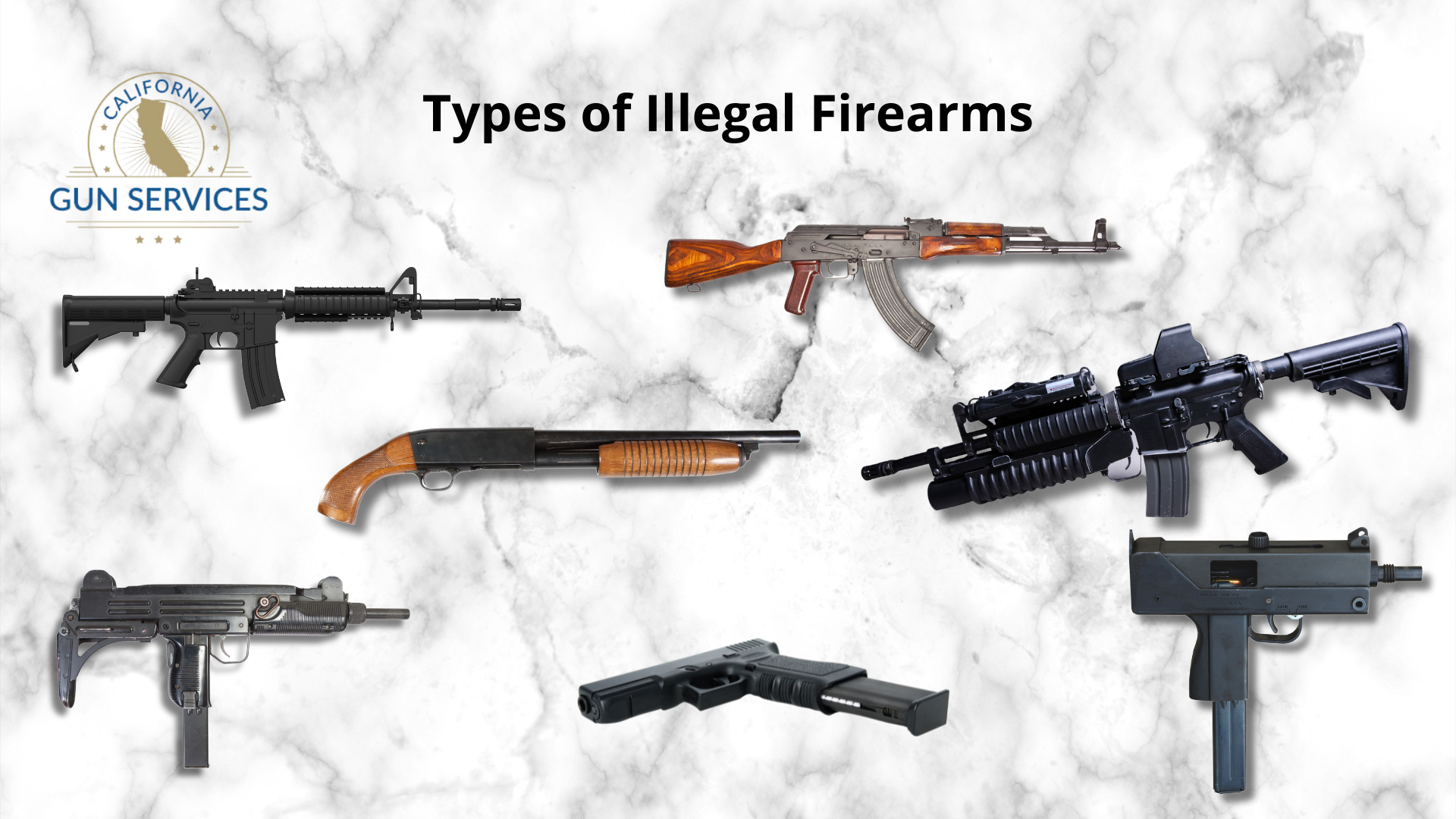
One of the most complex areas of California firearm law concerns features that can classify an otherwise legal shotgun as a prohibited “assault weapon.” The state’s Assault Weapons Ban has evolved over time, capturing an increasing number of firearm configurations. For shotguns, this can include features such as a pistol grip, a thumbhole stock, a folding or telescoping stock, a grenade launcher or flare launcher, a forward pistol grip, or a fixed magazine that holds more than 10 rounds. Certain semi-automatic shotguns with removable magazines and one “assault weapon” feature are also banned. Even seemingly minor aesthetic or ergonomic features can trigger this classification, making it crucial for owners to meticulously review their firearms. This intricate web of prohibitions directly influences the types of shotguns individuals can legally acquire and maintain as part of their lifestyle in California.
Ammunition Restrictions
Beyond the firearms themselves, California also regulates ammunition. For shotgun owners, this includes restrictions on the sale and purchase of ammunition, which must now generally occur through a licensed vendor following a background check. Furthermore, the use of lead ammunition has been progressively phased out for hunting purposes statewide. As of July 1, 2019, it is illegal to use lead ammunition for any hunting activity in California. This means hunters must exclusively use non-lead alternatives, which impacts cost, availability, and ballistics. This specific regulation is a significant lifestyle consideration for those who enjoy hunting with shotguns, requiring a shift in purchasing habits and awareness of environmental guidelines.
Acquisition and Ownership: What You Need to Know
For anyone looking to integrate shotgun ownership into their lifestyle in California, the process of acquisition and the ongoing responsibilities of ownership are heavily regulated. These requirements are designed to ensure public safety and accountability but necessitate a clear understanding from the individual.
Background Checks and Waiting Periods
The purchase of any firearm in California, including shotguns, is subject to a mandatory 10-day waiting period, regardless of the buyer’s prior ownership history or Firearm Safety Certificate status. During this period, a comprehensive background check is conducted through the California Department of Justice’s centralized system. This process checks for various disqualifying factors, such as felony convictions, certain misdemeanor convictions, domestic violence restraining orders, and mental health prohibitions. All firearm transfers, whether from a licensed dealer or a private party, must go through a licensed firearms dealer, ensuring that all sales and transfers are recorded and subject to these checks. This strict protocol is a foundational element of firearm ownership lifestyle in California.

Firearm Safety Certificates
Before purchasing or acquiring any firearm, including a shotgun, an individual in California must obtain a Firearm Safety Certificate (FSC). This certificate is earned by passing a written test on firearm safety rules and laws, typically administered by a licensed firearms dealer. The FSC demonstrates a basic level of knowledge regarding safe firearm handling, storage, and legal requirements. It is valid for five years and is a mandatory prerequisite for nearly all firearm acquisitions. For responsible gun ownership to be a part of one’s lifestyle in California, obtaining and maintaining a valid FSC is non-negotiable.
Private Party Transfers and Storage Requirements
Even private sales or transfers between individuals in California must be facilitated through a licensed firearms dealer. This ensures that all transfers, whether commercial or private, comply with background check and waiting period requirements, preventing unregulated transactions. Furthermore, California law mandates safe storage practices for firearms. When not in direct use, shotguns must be stored unloaded in a locked container or disabled with a locking device. This is particularly crucial in homes with minors or individuals legally prohibited from possessing firearms. Adhering to these stringent storage requirements is not just a legal mandate but a core aspect of a responsible firearm owner’s lifestyle, aimed at preventing accidental discharges and unauthorized access.
Lifestyle Implications: Hunting, Sport Shooting, and Self-Defense
The specific legal framework for shotguns in California profoundly impacts various lifestyle activities that involve these versatile firearms. Whether an individual is an avid hunter, a competitive shooter, or someone considering a shotgun for personal protection, understanding these implications is essential for compliance and enjoyment.
Hunting in California
For many, owning a shotgun is synonymous with the hunting lifestyle. California offers diverse hunting opportunities for waterfowl, upland game birds, and even some big game (slugs only), but regulations heavily influence the experience. As mentioned, the statewide ban on lead ammunition for all hunting purposes means hunters must source and use non-lead shotgun shells, requiring adjustments in equipment and shooting practices. Additionally, specific areas or seasons may have further restrictions on shotgun types or shell limits. For instance, waterfowl hunting often has strict plug requirements limiting magazine capacity. Successfully participating in California’s hunting seasons demands not only skill but also meticulous adherence to these legal nuances, making careful planning a vital part of the hunting lifestyle.
Sport Shooting and Competitions
Sport shooting, including skeet, trap, sporting clays, and 3-Gun competitions, is another popular lifestyle activity for shotgun owners. While many traditional shotguns are well-suited for these sports, California’s “assault weapon” definitions and magazine capacity limits can pose challenges. Competitive shooters accustomed to higher-capacity magazines or specific ergonomic features found on tactical shotguns in other states may find their options restricted or require significant modification to be legal in California. Participating in competitive circuits often means understanding and adapting to the state’s unique rules, ensuring that equipment is compliant before arriving at the range. This adaptation is a key aspect for those pursuing a sport shooting lifestyle within the state.
Home Defense Considerations
The decision to own a shotgun for home defense is a serious lifestyle choice, and California law significantly shapes the legal parameters. While individuals have the right to keep firearms for self-defense, the state’s strict storage requirements and restrictions on certain features mean that the “ideal” home defense shotgun might differ from what’s permissible elsewhere. Shotguns with shorter barrels (above 18 inches) are popular for maneuverability in confined spaces but must still meet overall length requirements. Crucially, safe storage laws mandate that firearms be locked when not in immediate use, which requires owners to balance immediate access for defense with legal compliance. Understanding these legal boundaries is critical for those who integrate personal safety and home defense preparedness into their California lifestyle.
Staying Compliant: Resources and Best Practices
Navigating California’s complex shotgun laws is an ongoing commitment for anyone whose lifestyle involves firearms. Staying informed and proactive is the best way to ensure continuous compliance and peace of mind.
Consulting Legal Experts
Given the intricate and frequently changing nature of California’s firearm laws, seeking advice from a qualified legal professional specializing in firearms law is often the most prudent course of action. This is particularly true when questions arise about specific firearm configurations, transfer processes, or interstate travel with firearms. An attorney can provide accurate, up-to-date interpretations of the law and guide individuals through complex scenarios, helping them make informed decisions that align with their lifestyle and legal obligations. Relying on generalized internet advice or casual conversations can be risky in such a highly regulated environment.
Reputable Dealers and Ranges
Choosing licensed and reputable firearms dealers is another cornerstone of compliance. These businesses are mandated to understand and adhere to all federal and state laws governing firearm sales and transfers. They can serve as valuable resources, guiding buyers through the acquisition process, ensuring proper documentation, and often providing information on local regulations. Similarly, reputable shooting ranges and gun clubs often have staff knowledgeable about California laws and can offer practical advice on safe handling and legal use. Engaging with these trusted institutions is an essential practice for those integrating firearm ownership into their lifestyle.

Ongoing Education
Perhaps the most critical best practice for any firearm owner in California is a commitment to ongoing education. Laws can change annually, and what was legal last year may not be today. Regularly checking updates from the California Department of Justice, following reputable firearm advocacy groups that track legislative changes, and participating in safety and legal seminars are all vital. This proactive approach ensures that individuals remain informed about their rights and responsibilities, allowing them to adapt their lifestyle choices and practices to stay within the bounds of the law. Ultimately, for residents and visitors alike, understanding and respecting California’s intricate firearm laws is a prerequisite for a responsible and lawful lifestyle involving shotguns.
LifeOutOfTheBox is a participant in the Amazon Services LLC Associates Program, an affiliate advertising program designed to provide a means for sites to earn advertising fees by advertising and linking to Amazon.com. Amazon, the Amazon logo, AmazonSupply, and the AmazonSupply logo are trademarks of Amazon.com, Inc. or its affiliates. As an Amazon Associate we earn affiliate commissions from qualifying purchases.