
Navigating the financial landscape of any destination is a crucial aspect of smart travel planning. For those venturing to the beautiful state of Connecticut, understanding its sales tax structure can significantly impact your budget, especially when it comes to souvenirs, dining out, and any incidentals picked up during your explorations. While the primary allure of Connecticut lies in its charming towns, historic sites, and picturesque coastline, being informed about consumer taxes ensures a smoother and more enjoyable experience.
The sales tax rate in Connecticut is a key piece of information for any visitor, whether you’re planning a weekend getaway to explore the Mystic Seaport Museum or a longer stay enjoying the Thames River. This guide delves into the specifics of Connecticut’s sales tax, covering what it applies to, common exemptions, and how it might affect your travel expenses.
Understanding Connecticut’s General Sales and Use Tax
At its core, Connecticut imposes a state sales and use tax on the retail sale of tangible personal property and certain services. This tax is collected by the seller at the point of sale and remitted to the state. For travelers, this means that most purchases you make while exploring the state will be subject to this tax.
The Standard Sales Tax Rate
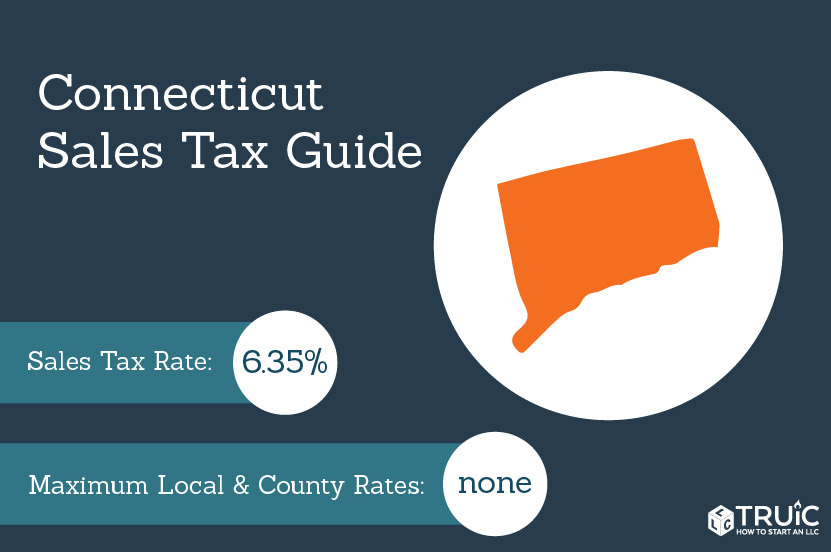
The current statewide sales and use tax rate in Connecticut is 6.35%. This rate applies to a broad range of goods and services, from the charming antique finds in Woodstock to the delicious seafood you’ll enjoy in Stonington. It’s a consistent rate across the entire state, simplifying calculations for visitors moving between different cities like Hartford and New Haven.
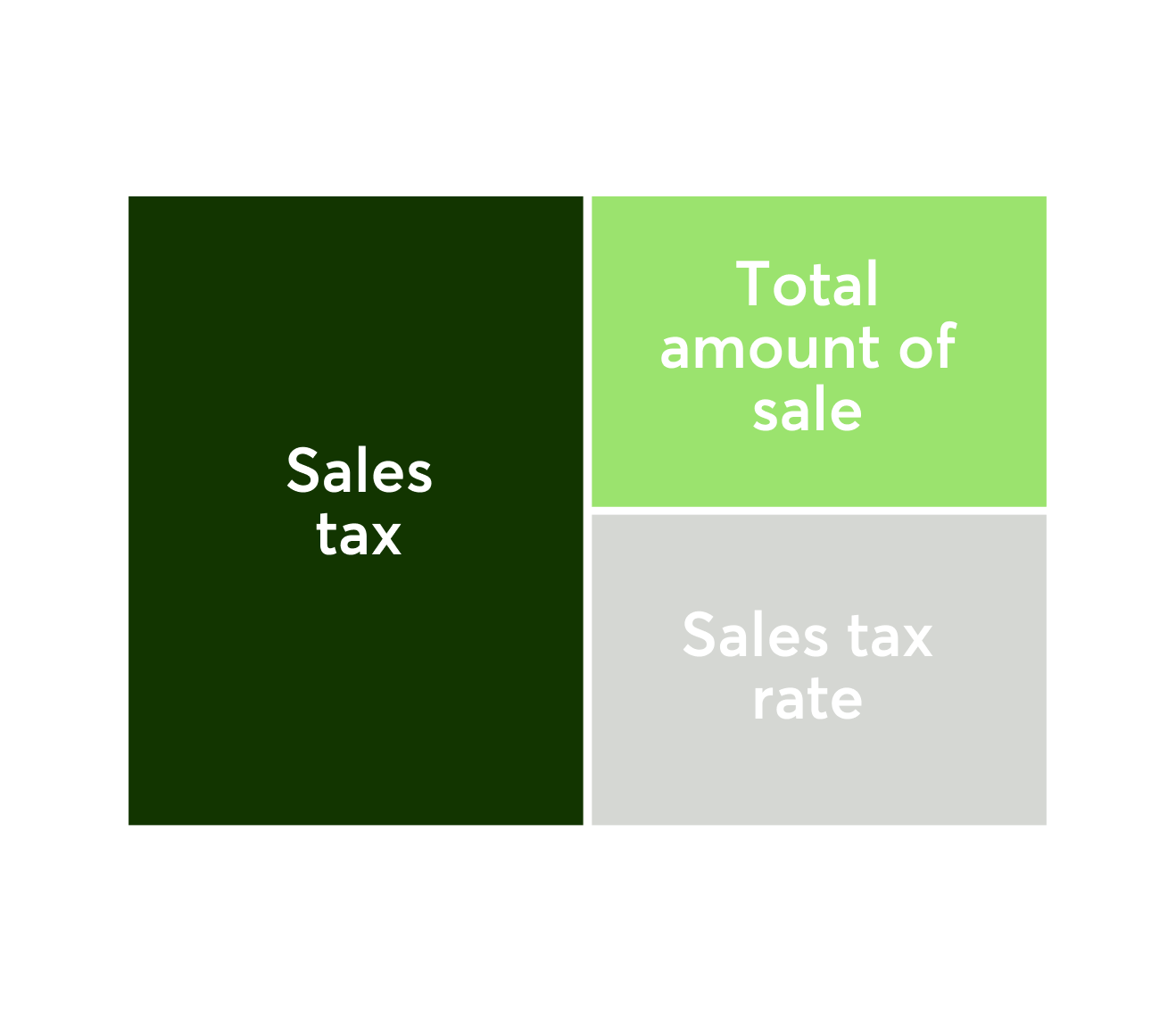
This 6.35% rate covers a vast array of items. When you purchase clothing, electronics, home goods, or enjoy a meal at a restaurant, this tax is typically added to the listed price. For instance, if you’re buying a souvenir T-shirt for $20, the sales tax would be $1.27 ($20 * 0.0635), bringing the total to $21.27. Understanding this baseline rate is the first step to budgeting effectively for your trip.
What About Local Taxes?
A common question for travelers is whether individual cities or towns in Connecticut levy their own additional sales taxes. Fortunately for visitors, Connecticut does not have a local sales tax. The 6.35% state rate is the only sales tax you’ll encounter on most transactions throughout the state. This uniformity makes it easier to estimate costs, whether you’re shopping in the bustling streets of Stamford or browsing the boutiques in charming Litchfield County.
The Use Tax: A Complementary System
While the sales tax is collected at the point of purchase, the use tax is designed to capture tax on items purchased out-of-state that would have been taxable if purchased in Connecticut. This primarily affects residents who purchase items online or from out-of-state retailers without paying sales tax. As a visitor, you generally won’t need to worry about the use tax unless you are shipping items purchased elsewhere to a Connecticut address for personal use. However, it’s good to be aware that this mechanism exists to ensure tax equity within the state.
Specific Taxable Items and Services
While the 6.35% rate is broad, certain categories of goods and services are specifically targeted for taxation. Being aware of these can help you budget for specific aspects of your travel experience.
Tangible Personal Property
This is the largest category and includes almost everything you can physically touch and buy. Examples include:
- Clothing and Footwear: Most apparel and shoes are subject to the 6.35% sales tax. This means that new outfits purchased for exploring the historic streets of Old Lyme or hiking in the Pachaug State Forest will have the tax added.
- Electronics: From the latest gadgets to essential travel accessories, electronic items carry the standard sales tax.
- Home Furnishings and Decor: If you’re inspired by the interiors of a historic New England home and decide to purchase decorative items, factor in the sales tax.
- Vehicles: The purchase of new and used vehicles is subject to sales tax.
- Jewelry and Precious Metals: While often considered luxury items, these are taxed at the general rate.
- Souvenirs and Gifts: Any mementos you pick up to remember your trip to Connecticut, whether it’s a handcrafted item from a local artisan or a novelty from a tourist shop, will have the tax applied.
Certain Services
Connecticut also taxes a specific list of services. This is where understanding the nuances becomes important for travelers:
- Admissions to Entertainment Events: Tickets to sporting events, concerts, movie theaters, amusement parks, and similar entertainment venues are subject to sales tax. This includes popular attractions like those found in Bridgeport.
- Hotel Occupancy: While the general sales tax doesn’t apply to the room rate itself, Connecticut imposes a separate Occupancy Tax (also known as the hotel tax) on charges for lodging. This is typically 15% of the room rate, which is then subject to a portion of the state sales tax. It’s crucial to check the final bill at your hotel, such as the Omni New Haven Hotel, as this can significantly increase the cost of your accommodation.
- Tangible Personal Property Services: Services such as repair, maintenance, and installation of tangible personal property are generally taxable. For instance, if you need a minor repair on a purchased item while on vacation, the service fee will likely be taxed.
- Landscaping and Property Maintenance: While less relevant for short-term visitors, these services are taxable.
- Certain Telecommunication Services: Some communication services are also subject to sales tax.
Key Exemptions to Be Aware Of
While the sales tax applies broadly, several important exemptions exist that can save travelers money. Understanding these can help you make informed purchasing decisions during your visit.
Food and Beverages
A significant and welcome exemption for travelers is on most food and beverages.
- Groceries: Food items purchased for home consumption, such as those from a supermarket like Stop & Shop or a farmer’s market, are exempt from sales tax. This applies to fresh produce, dairy, meats, bread, and other staple grocery items.
- Restaurant Meals: However, this exemption has some nuances. While many prepared foods for consumption off-premises might be exempt, prepared meals purchased from restaurants, delis, and caterers for immediate consumption are generally taxable at the standard 6.35% rate. This means that dining out in Hartford or New Haven will incur sales tax on your bill. It’s always wise to check with the establishment if you’re unsure about a specific item.
Prescription Drugs and Medical Supplies
Prescription medications dispensed by a licensed pharmacist are exempt from sales tax. Over-the-counter drugs are generally taxable unless they are specifically listed as exempt. Medical supplies, such as bandages, crutches, and prosthetics, are also typically exempt when prescribed or dispensed by a healthcare professional.
Certain Clothing and Footwear
While most clothing is taxable, Connecticut offers an exemption for clothing and footwear that costs less than $50 per item. This is a significant benefit for travelers looking to purchase everyday wear or children’s clothing. For example, if you buy a shirt for $40, it will be tax-free. If you buy a shirt for $60, the entire $60 is taxable. This exemption does not apply to specialized athletic or protective clothing, such as ski boots or football pads.
Newspapers
Newspapers are generally exempt from sales tax in Connecticut.
Services Provided to Businesses
While certain services are taxable, many services provided primarily to businesses, or those that are intangible in nature, may be exempt. However, for most travelers, the focus will be on tangible goods and consumer services.
How Sales Tax Impacts Your Travel Budget
Understanding the sales tax in Connecticut is not just about knowing the rate; it’s about integrating this knowledge into your travel budget.
Estimating Your Spending
As a general rule, when budgeting for purchases other than groceries and exempted clothing, it’s wise to add approximately 6.35% to the listed price to account for sales tax. This is a straightforward calculation for most goods.
- Example: If you plan to buy $200 worth of souvenirs and clothing (that exceeds the $50 exemption per item), you can estimate an additional $12.70 in sales tax.
The Impact of Hotel Occupancy Tax
As mentioned, the hotel occupancy tax is a separate consideration and often a larger expense than the general sales tax. This tax can add a substantial amount to your accommodation costs. When comparing hotel prices in cities like Hartford or coastal towns like Westport, always look for the total nightly rate, which should include the occupancy tax. A hotel advertised at $200 per night could end up costing significantly more after all taxes and fees are applied.
Dining Out vs. Groceries
The distinction between taxable restaurant meals and tax-exempt groceries can influence your dining choices and budget. If you’re on a tight budget or staying in accommodations with kitchen facilities, stocking up on groceries from a supermarket can lead to considerable savings compared to dining out every meal.
Planning for Larger Purchases
If you anticipate making any significant purchases during your trip, such as electronics, furniture, or a vehicle, the 6.35% sales tax will represent a notable amount. For instance, purchasing a $1,000 television would incur $63.50 in sales tax.
Maximizing Your Travel Experience by Knowing the Tax
Being informed about the sales tax in Connecticut empowers you to travel smarter. It allows for more accurate budgeting, helps avoid surprises at the checkout, and enables you to make informed decisions about where and how to spend your money. Whether you’re drawn to the intellectual allure of Yale University in New Haven, the maritime history of Mystic, or the scenic beauty of the Berkshire Mountains, a little financial foresight will enhance your overall journey. So, as you plan your itinerary and pack your bags, remember to factor in the 6.35% sales tax and the specific nuances of the hotel occupancy tax to ensure a delightful and financially sound adventure in the Constitution State.
LifeOutOfTheBox is a participant in the Amazon Services LLC Associates Program, an affiliate advertising program designed to provide a means for sites to earn advertising fees by advertising and linking to Amazon.com. Amazon, the Amazon logo, AmazonSupply, and the AmazonSupply logo are trademarks of Amazon.com, Inc. or its affiliates. As an Amazon Associate we earn affiliate commissions from qualifying purchases.