
Connecticut, often lauded as a picturesque New England gem, frequently finds itself at the center of conversations regarding its cost of living and travel expenses. For the discerning traveler, understanding the financial landscape of the Nutmeg State is crucial for planning an enriching yet manageable experience. While not as budget-friendly as some Southern or Midwestern destinations, Connecticut offers a spectrum of experiences that can cater to various spending levels, from luxurious escapes to more accessible explorations of its historical charm and natural beauty. This exploration delves into what makes Connecticut perceived as expensive and how travelers can navigate its offerings wisely.

The Cost of Exploration: What Drives Connecticut’s Pricing?
Several intertwined factors contribute to Connecticut’s reputation for higher costs, impacting everything from accommodation to daily expenditures for visitors. Understanding these elements provides a foundation for budgeting and managing expectations.
Housing and Accommodation
The cost of real estate in Connecticut is a significant driver of its overall expense. This translates directly into accommodation prices, particularly in desirable areas.
Prime Locations and Seasonal Demand
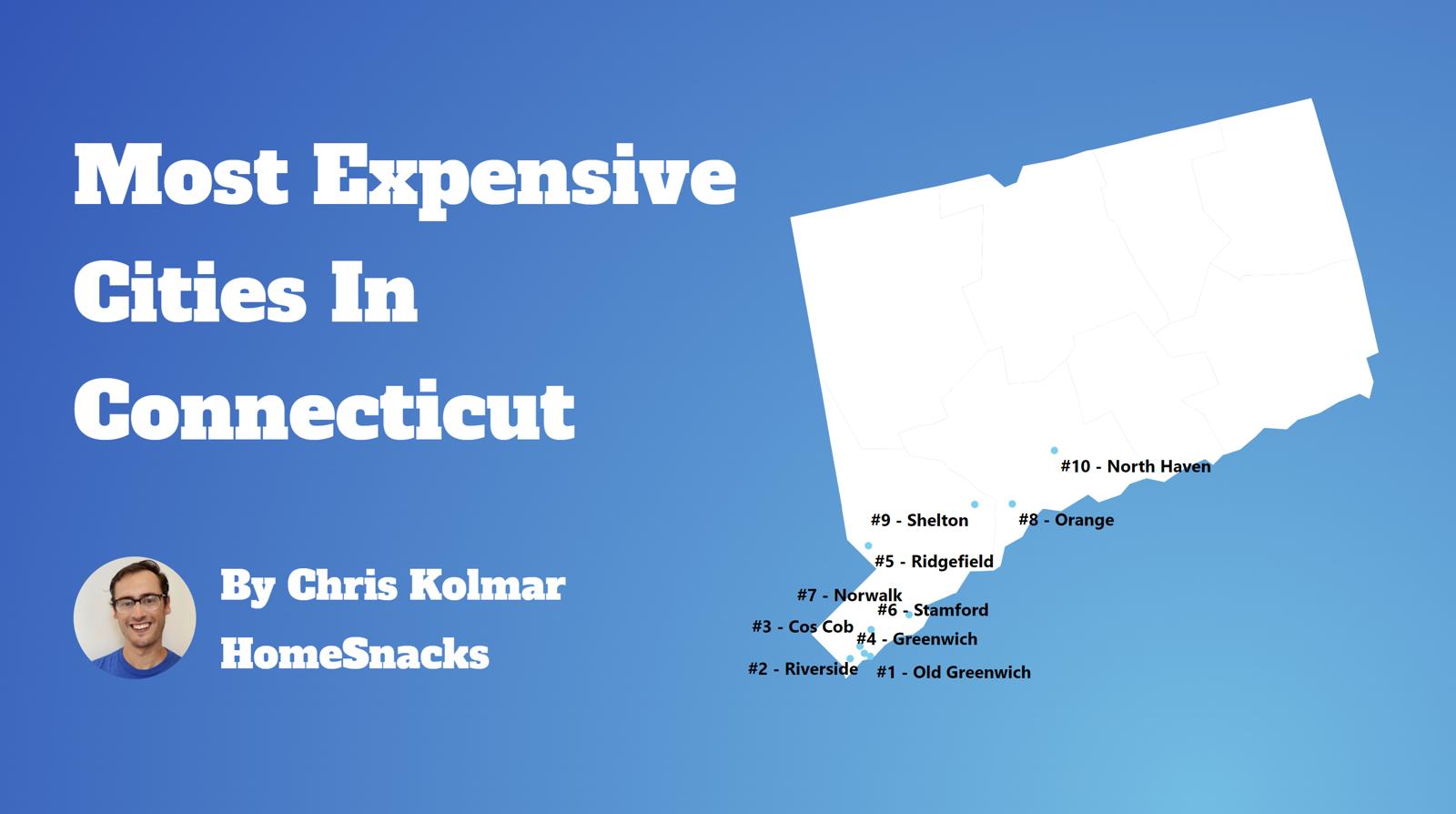
Cities like Greenwich, Westport, and the affluent shoreline towns often command premium prices for hotels and rental properties. During peak seasons, such as the vibrant fall foliage in October or the summer months along the coast, demand surges, pushing rates even higher. Luxury resorts and boutique hotels in these areas can easily rival prices found in major metropolitan hubs.
Average Hotel Rates
While a precise national average is difficult to pinpoint due to regional variations, Connecticut’s average hotel rates tend to be above the national median. Travelers seeking more affordable options might need to look at hotels in less central locations or consider visiting during the shoulder seasons.
Transportation and Infrastructure
Getting around Connecticut also factors into the expense equation. While the state is relatively small, efficient travel often necessitates certain expenditures.
Car Rental and Fuel
Renting a car is often the most practical way to explore the diverse attractions of Connecticut, from the rolling hills of the Litchfield Hills to the coastal towns. Rental fees, coupled with the price of gasoline, can add a considerable amount to a travel budget, especially for extended road trips.
Public Transportation
Connecticut’s public transportation system, primarily comprising the Metro-North Railroad and various bus services, offers an alternative. However, it is most effective for inter-city travel and may require additional local transport, such as taxis or ride-sharing services, once at a destination, adding to the overall cost.
Food and Dining
The culinary scene in Connecticut is a highlight, offering everything from casual seafood shacks to Michelin-starred establishments. However, dining out can contribute substantially to travel expenses.
High-Quality Ingredients and Coastal Influence
The state’s access to fresh, high-quality ingredients, particularly seafood from the Long Island Sound, influences menu prices. Fine dining establishments in cities like New Haven and Hartford often feature innovative cuisine that comes with a commensurate price tag.
Local Specialties and Craft Breweries
Exploring local delicacies, such as New Haven-style apizza at renowned pizzerias like Frank Pepe Pizzeria Napoletana or Sally’s Apizza, is a must. While these experiences are often worth the cost, regular dining at such establishments can escalate a travel budget. Similarly, sampling craft beers from Connecticut’s burgeoning brewery scene adds to the overall spending.
Navigating the Expense: Smart Travel Strategies in Connecticut
Despite its perceived expense, Connecticut is a destination that can be experienced affordably with careful planning and a strategic approach to travel. The key lies in identifying value and prioritizing experiences.

Accommodation Alternatives and Booking Savvy
Securing the right place to stay is often the largest single expense for travelers. Exploring various accommodation types and booking wisely can lead to significant savings.
Beyond Traditional Hotels
While upscale hotels are plentiful, travelers can find more budget-friendly options by exploring bed and breakfasts, inns, or vacation rentals. These often provide a more intimate and locally authentic experience, sometimes at a lower price point, especially for longer stays. Consider areas slightly outside the immediate city centers or popular tourist hubs.
Booking in Advance and Off-Season Travel
The earlier one books accommodation, the better the chances of securing preferential rates. Last-minute bookings, especially during peak times, are almost invariably more expensive. Traveling during the shoulder seasons – spring (April-May) and fall (late September-early October, after the peak foliage) – can offer pleasant weather and significantly reduced prices on lodging and flights. The winter months, while colder, can present the best deals for those seeking a cozy getaway.
Affordable Attractions and Free Experiences
Connecticut’s allure lies not just in its paid attractions but also in its abundant natural beauty and rich history, much of which is accessible without a hefty entrance fee.
Natural Wonders and Outdoor Activities
The state boasts numerous state parks and forests, such as Hammonasset Beach State Park or the Pachaug State Forest, offering hiking trails, scenic views, and opportunities for picnicking. Exploring the Thames River or the Connecticut River Valley by car or on foot provides breathtaking vistas without costing a dime. Many coastal towns offer beautiful public beaches that are free to access outside of designated paid parking areas.
Historical Sites and Local Culture
Connecticut’s historical significance is vast, with many sites offering insights into early American life. While some museums, like the Mystic Seaport Museum or the Florence Griswold Museum, require admission, many smaller historical markers, colonial-era cemeteries, and charming town centers can be explored freely. Walking tours, often self-guided or available through local historical societies, can be an inexpensive way to absorb the local narrative.
Dining on a Dime
Enjoying Connecticut’s culinary landscape doesn’t necessarily require breaking the bank. A balanced approach to dining can satisfy both the palate and the wallet.
Embracing Local Delicacies Affordably
Instead of opting for fine dining every night, seek out the local institutions that serve iconic dishes. A visit to a classic diner for breakfast, a casual seafood shack for lobster rolls, or a neighborhood pizzeria for a slice of New Haven-style apizza can provide authentic flavors at more accessible prices. Farmers’ markets, prevalent throughout the state, offer opportunities to sample local produce and artisanal goods, often at competitive prices, and can even serve as the basis for a delicious picnic lunch.
Strategic Meal Planning
Consider balancing restaurant meals with self-prepared food. If staying in accommodation with kitchen facilities, utilizing local grocery stores can lead to substantial savings. Packing snacks and drinks for day trips also reduces the temptation for expensive impulse purchases at tourist spots.
Connecticut’s Unique Value Proposition for Travelers
Beyond the numbers, Connecticut offers a distinct caliber of experiences that contribute to its perceived value, even if the initial cost is higher. The state provides a rich tapestry of history, culture, natural beauty, and sophisticated amenities that resonate with travelers seeking quality and depth in their journeys.
A Blend of Coastal Charm and Inland Serenity
From the historic maritime villages of Mystic and the picturesque shoreline towns of the Connecticut River Estuary to the rolling hills and charming villages of the Litchfield Hills, Connecticut offers diverse landscapes. Each region presents unique attractions and activities, from sailing and kayaking on the Long Island Sound to exploring antique shops and scenic drives inland. This variety ensures that travelers can tailor their itinerary to their preferences, finding pockets of affordability even within the more exclusive locales.
Rich Historical Tapestry and Cultural Institutions
Connecticut is steeped in American history, serving as a pivotal state during the colonial era and the Revolutionary War. Visitors can immerse themselves in this past at sites like the Mark Twain House & Museum and the Harriet Beecher Stowe Center in Hartford, or explore the maritime heritage at Mystic Seaport Museum. The state also boasts a vibrant arts scene, with numerous galleries, theaters, and museums catering to diverse interests. The quality of these historical and cultural offerings provides a significant return on investment for travelers interested in these aspects.
Educational and Family-Friendly Opportunities
For families, Connecticut presents numerous educational and engaging opportunities. The Mystic Aquarium, the Children’s Museum of Southeastern Connecticut, and the various historical sites offer enriching experiences that go beyond mere entertainment. While these attractions have admission fees, they provide valuable learning experiences that can justify the expense for family vacations. Planning around family packages or seeking out discounted admission days can further enhance affordability.
In conclusion, while Connecticut may present a higher initial cost compared to some other travel destinations, its value proposition lies in the quality of its experiences, the depth of its history and culture, and the diversity of its landscapes. By employing strategic planning, embracing a mix of accommodation and dining options, and prioritizing the wealth of accessible attractions, travelers can indeed discover that an enriching and memorable journey through the Nutmeg State is achievable without an exorbitant financial outlay. The “expensiveness” is often a perception that can be skillfully navigated by the informed and prepared traveler.
LifeOutOfTheBox is a participant in the Amazon Services LLC Associates Program, an affiliate advertising program designed to provide a means for sites to earn advertising fees by advertising and linking to Amazon.com. Amazon, the Amazon logo, AmazonSupply, and the AmazonSupply logo are trademarks of Amazon.com, Inc. or its affiliates. As an Amazon Associate we earn affiliate commissions from qualifying purchases.