
Understanding the earning potential for Emergency Medical Technicians (EMTs) in Texas is crucial for aspiring healthcare professionals, career changers, and those looking to advance within the emergency medical services field. Texas, a vast and dynamic state with a growing population, presents a diverse range of opportunities and compensation structures for EMTs. Factors such as location, employer type, experience level, and additional certifications significantly influence an EMT’s salary. This comprehensive overview delves into the intricacies of EMT earnings across the Lone Star State, providing insights into salary ranges, influencing factors, and potential career trajectories.

EMT Salary Landscape in Texas
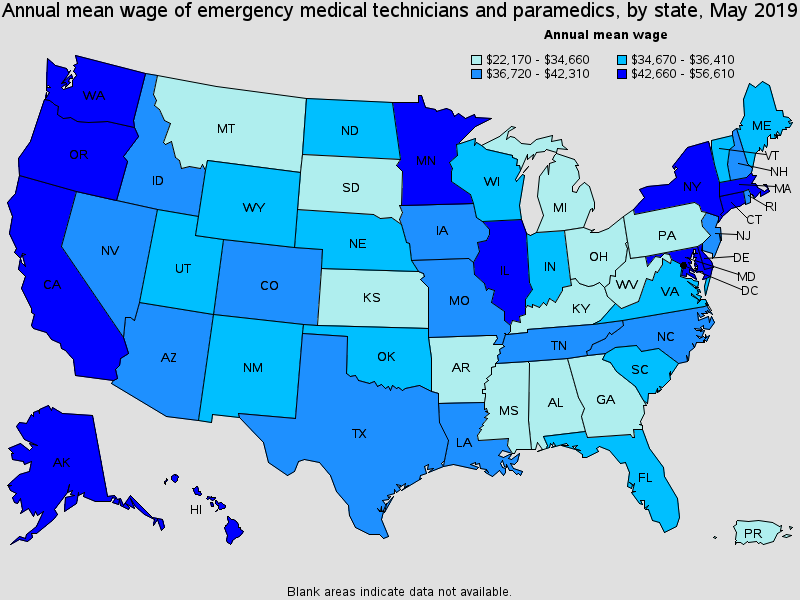
The average salary for an EMT in Texas is a figure that can vary considerably. However, general statistics from various employment data sources indicate a competitive earning potential. Entry-level EMTs, often with basic certifications, tend to earn at the lower end of the spectrum, while those with advanced training, extensive experience, or specialized skills command higher salaries. The cost of living in different Texas cities also plays a significant role; EMTs in major metropolitan areas like Houston or Dallas-Fort Worth may see higher base pay to offset the increased expenses, though this isn’t always a direct correlation.
Average Salary Ranges
Across Texas, the average annual salary for an EMT typically falls between $30,000 and $45,000. This is an aggregate figure, and individual earnings can deviate based on the specific circumstances. Hourly wages often range from $15 to $22, translating to the annual figures when factoring in a standard 40-hour work week. It’s important to note that these figures are subject to change and are influenced by market demand, economic conditions, and the evolving healthcare landscape within Texas.
Factors Influencing EMT Pay
Several key elements contribute to the variation in EMT salaries throughout Texas:
Location within Texas
The geographical location within Texas can significantly impact an EMT’s earnings. Larger, more populous cities often have a higher demand for emergency medical services, potentially leading to higher pay scales. For instance, EMTs working in areas like Austin, San Antonio, or the aforementioned Houston and Dallas-Fort Worth metroplexes may earn more than their counterparts in more rural or less densely populated regions. However, the cost of living in these urban centers is also typically higher, so the net disposable income might not always be proportionally greater. Conversely, some smaller communities may offer competitive wages to attract and retain qualified EMTs, especially if there is a shortage of personnel.
Type of Employer
The sector an EMT works for is another major determinant of their salary. The primary employers for EMTs in Texas include:
- Private Ambulance Services: These are often the most common employers. Their compensation structures can vary widely based on the company’s size, profitability, and the contracts they hold with hospitals and municipalities.
- Hospital Systems: Many larger hospital networks employ their own EMTs, often as part of their emergency departments or transport services. These positions may offer more comprehensive benefits packages and potentially higher base salaries, aligning with the overall compensation strategy of the healthcare institution.
- Fire Departments and Municipal EMS Agencies: EMTs employed by municipal fire departments or dedicated emergency medical services agencies often benefit from civil service pay scales and structured career progression. These roles may offer greater job security and robust retirement plans, though the starting salaries might sometimes be comparable to private services.
- Government Agencies: Federal, state, or local government entities may also employ EMTs for various public health and safety roles.
The benefits package offered by an employer can also be a significant part of the overall compensation. This can include health insurance, dental and vision coverage, paid time off, retirement contributions, and life insurance. While a higher base salary is attractive, a comprehensive benefits package can often equal substantial financial value.
Experience Level
As with most professions, an EMT’s years of experience directly correlate with their earning potential. Entry-level EMTs, fresh out of training programs, will typically start at the lower end of the salary scale. As they gain practical experience, demonstrate reliability, and develop advanced skills, their value to employers increases, leading to salary increments. EMTs with five, ten, or more years in the field are often sought after for their expertise and can negotiate higher salaries. This experience also opens doors to supervisory roles or specialized positions, which command greater compensation.
Certifications and Specializations
Holding advanced certifications beyond the basic EMT certification can significantly boost an EMT’s salary. In Texas, as in other states, there are different levels of pre-hospital care providers. While the basic EMT (EMT-B) is the foundational level, the Emergency Medical Technician-Paramedic (EMT-P or Paramedic) certification represents a higher level of training and scope of practice, leading to substantially higher earning potential. Paramedics can administer a wider range of medications, perform more complex procedures, and manage more critical patients, making them invaluable assets to emergency medical services.
Other specialized certifications that can enhance an EMT’s marketability and salary include:
- Advanced Cardiac Life Support (ACLS)
- Pediatric Advanced Life Support (PALS)
- International Trauma Life Support (ITLS)
- Critical Care Transport (CCT)
- Firefighter certifications (for those working in combined roles)

EMTs who acquire these specialized skills are often in demand and can command higher wages, particularly in critical care transport or specialized response teams.
Career Progression and Earning Potential
The role of an EMT in Texas is not merely a starting point; it is a foundational step in a rewarding career within the healthcare industry. For those who are passionate about serving their communities and making a tangible difference in people’s lives, the pathway from EMT to more advanced roles is clear and achievable. Understanding these avenues for growth is essential for long-term career planning and maximizing earning potential.
From EMT to Advanced Roles
The most direct and common progression for an EMT is to pursue further education and certification to become a Paramedic. This transition typically involves attending a paramedic program, which is significantly more intensive than basic EMT training. Upon successful completion and passing the national registry exam, paramedics are equipped with a much broader skill set, including advanced airway management, intravenous fluid administration, cardiac monitoring, and a wider range of pharmacological interventions. This increased competency is reflected in higher salaries, often with a difference of $10,000 to $20,000 or more annually compared to an EMT.
Beyond the paramedic level, experienced healthcare professionals in emergency services can explore opportunities such as:
- Critical Care Paramedic: Specializing in the transport and care of critically ill or injured patients between facilities.
- Flight Paramedic: Working on air ambulances, providing advanced medical care en route to hospitals.
- Field Training Officer (FTO): Mentoring and training new EMTs and paramedics.
- Supervisor or Operations Manager: Taking on leadership responsibilities within EMS agencies.
- Instructor: Teaching at EMT or paramedic training programs.
- Registered Nurse (RN) or Physician Assistant (PA): For those who wish to pursue higher levels of medical practice, an EMT background can be a strong foundation for further education in nursing or physician assistant programs.
Each of these advanced roles typically comes with a corresponding increase in salary and responsibility. The journey from EMT to these higher positions in Texas requires dedication to continuous learning and professional development.
Geographical Differences in Earning Potential
While broad averages provide a useful snapshot, it’s beneficial to examine earning potential in specific regions of Texas. The state’s diverse geography and economic landscape create distinct salary expectations:
Major Metropolitan Areas
- Houston: As the largest city in Texas, Houston boasts a high demand for healthcare professionals, including EMTs. Salaries here tend to be competitive, often ranging from $35,000 to $50,000 annually for EMTs, with paramedics earning considerably more. The presence of numerous hospitals, trauma centers, and private ambulance services fuels this demand.
- Dallas-Fort Worth Metroplex: This sprawling urban area, encompassing cities like Dallas and Fort Worth, also offers robust employment opportunities. EMT salaries are generally in a similar range to Houston, typically $34,000 to $49,000 per year. The concentration of healthcare facilities and a large population base ensures consistent need for emergency medical services.
- Austin: The capital city and a burgeoning tech hub, Austin, also presents attractive earning potential for EMTs, often falling within the $33,000 to $48,000 annual range. The city’s rapid growth contributes to an increasing demand for emergency medical personnel.
- San Antonio: With a rich cultural heritage and a growing population, San Antonio offers a solid market for EMTs, with average salaries typically between $32,000 and $47,000 annually.
Rural and Suburban Areas
In smaller cities and rural areas across Texas, salaries for EMTs might be slightly lower on average, perhaps in the $28,000 to $40,000 range. However, the cost of living is also generally lower, and in some instances, these areas might offer sign-on bonuses or other incentives to attract qualified personnel due to a potentially smaller applicant pool. The nature of emergency services in rural settings can also differ, with EMTs often being the primary point of contact for medical emergencies.
Maximizing Your Earning Potential as an EMT in Texas
For individuals aspiring to maximize their income and career satisfaction as an EMT in Texas, a strategic approach to professional development and job selection is key. The emergency medical services field offers numerous avenues for growth, and by focusing on acquiring valuable skills, pursuing advanced certifications, and making informed career choices, EMTs can significantly enhance their earning potential and overall career trajectory.
Strategies for Higher Compensation
- Pursue Paramedic Certification: As previously highlighted, transitioning from EMT to Paramedic is the most impactful step for increasing earning potential. Invest in a reputable paramedic program and dedicate yourself to mastering the advanced skills and knowledge required.
- Obtain Specialized Certifications: Beyond paramedic training, seek certifications in areas such as critical care, flight nursing/paramedicine, or tactical emergency medicine. These specialized skills make you a more attractive candidate for high-demand, higher-paying positions.
- Gain Experience in High-Demand Areas: Work in settings that offer a wide range of emergency medical scenarios. Experience in trauma centers, high-volume emergency rooms, or with specialized response teams can provide invaluable practical knowledge and make you a more competitive applicant for advanced roles.
- Seek Employment with Robust Benefits Packages: When evaluating job offers, consider the total compensation package, not just the base salary. Comprehensive health insurance, retirement plans, paid time off, and educational assistance can significantly add to your overall financial well-being and job satisfaction. Larger hospital systems or well-established municipal services often provide these benefits.
- Network Within the Industry: Building professional relationships with colleagues, supervisors, and other healthcare professionals can open doors to new opportunities. Attend industry conferences, join professional organizations, and stay informed about the evolving landscape of emergency medical services in Texas.
- Consider Location Strategically: While major metropolitan areas often offer higher salaries, weigh this against the cost of living. Sometimes, a slightly lower salary in a more affordable area can provide a better quality of life. Research specific employers in your desired regions to understand their pay scales and benefits.
- Explore Opportunities Beyond Traditional EMS: Many EMTs find fulfilling and financially rewarding roles in other sectors of healthcare. This could include working in urgent care clinics, emergency departments as technicians, or in medical transport services for non-emergency situations.
The Value of Continuous Education
The field of emergency medical services is constantly evolving, with new research, technologies, and treatment protocols emerging regularly. Continuous education is not just a requirement for maintaining certifications; it is a vital component of professional growth and a pathway to increased earning potential. EMTs who commit to lifelong learning, stay abreast of the latest advancements, and actively seek out opportunities to expand their knowledge base will always be in demand. This dedication to excellence not only benefits the patients they serve but also paves the way for greater career advancement and financial rewards within the dynamic healthcare system of Texas.
LifeOutOfTheBox is a participant in the Amazon Services LLC Associates Program, an affiliate advertising program designed to provide a means for sites to earn advertising fees by advertising and linking to Amazon.com. Amazon, the Amazon logo, AmazonSupply, and the AmazonSupply logo are trademarks of Amazon.com, Inc. or its affiliates. As an Amazon Associate we earn affiliate commissions from qualifying purchases.