
The Majestic Giants of California’s Landscape
California, a state celebrated for its diverse topography, from sun-drenched beaches to arid deserts and colossal ancient forests, also proudly hosts some of the most formidable mountain peaks in the contiguous United States. Among these natural wonders are the “14ers,” an elite class of mountains whose summits reach or exceed an elevation of 14,000 feet (approximately 4,267 meters) above sea level. These towering landmarks are not merely geographical high points; they represent the pinnacle of natural beauty, geological history, and the spirit of exploration for mountaineers and enthusiasts alike. The exact count of these magnificent peaks in California can vary slightly depending on the definition of a “distinct” peak versus a subsidiary summit. However, by the most commonly accepted standards, recognizing both independent mountains and prominent sub-peaks that offer unique climbing challenges, California is home to fifteen iconic 14ers.

Defining a 14er: More Than Just Elevation
While the 14,000-foot threshold is the primary criterion, the distinction between a major peak and a lesser summit on a mountain massif often relies on a measure called “prominence.” Prominence refers to the vertical distance a peak rises from the lowest contour line connecting it to any higher terrain. For a peak to be considered truly independent, it typically needs a prominence of at least 300 feet (approximately 91 meters). Many of California’s 14ers easily meet this standard, standing as colossal individual landmarks. Others, while falling within a larger mountain complex, are recognized for their distinct character and challenge, making them significant landmarks in their own right.
California’s Unique Topography
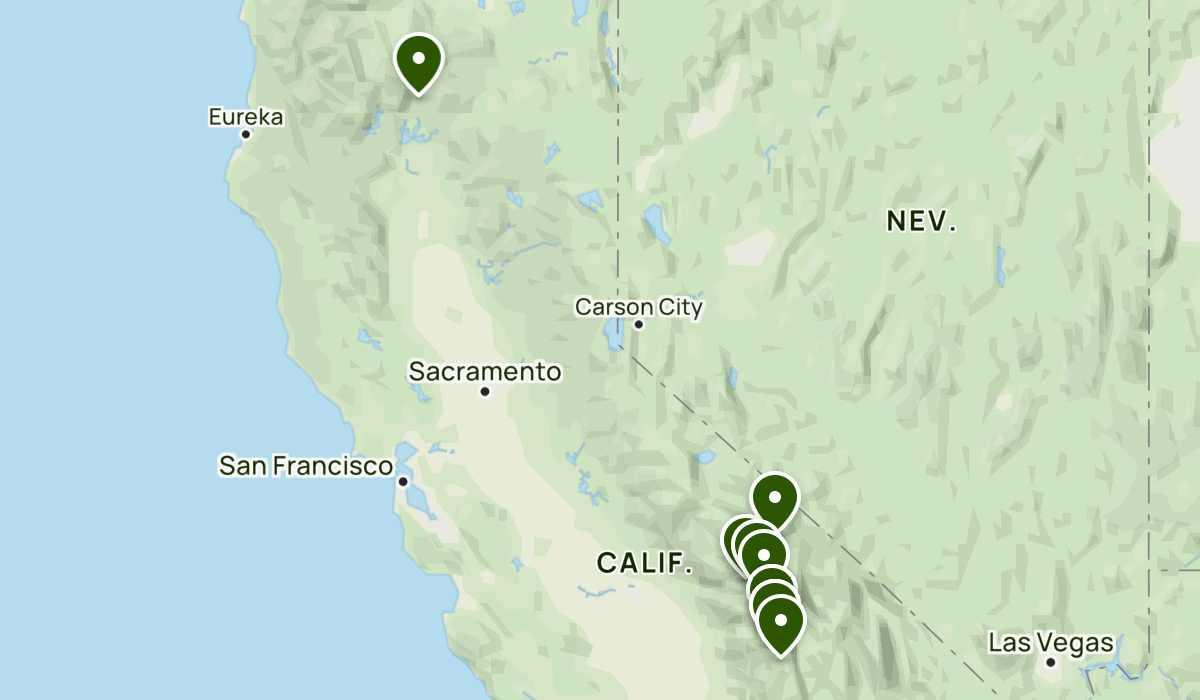
The vast majority of California’s highest peaks are concentrated within the Sierra Nevada mountain range, a formidable granite batholith that runs roughly north-south through the eastern part of the state. This range is a testament to millions of years of geological activity, including uplift, faulting, and extensive glaciation, which has sculpted dramatic cirques, U-shaped valleys, and razor-sharp ridges. Beyond the Sierra Nevada, one other prominent range, the White Mountains, also contributes to California’s impressive roster of 14ers.
A Comprehensive List of California’s 14ers
To precisely answer the question, California officially boasts fifteen recognized 14,000-foot peaks. This list includes the undisputed giants alongside several subsidiary summits that are widely acknowledged by the mountaineering community for their distinct character and challenging ascents.
The Crown Jewels of the Sierra Nevada and Beyond
Here is a comprehensive list of California’s 14ers, ordered by elevation, with a brief note on their location and unique features:
- Mount Whitney (14,505 ft / 4,421 m): The highest peak in the contiguous United States, Mount Whitney is the most sought-after summit in California. Located on the boundary of Sequoia National Park and the Inyo National Forest, its classic granite face rises dramatically from the Owens Valley.
- Mount Williamson (14,379 ft / 4,383 m): The second-highest peak in the Sierra Nevada, Mount Williamson presents a more rugged and remote challenge than Mount Whitney. It dominates the skyline to the east of the Sierra Nevada crest.
- White Mountain Peak (14,252 ft / 4,344 m): Situated in the White Mountains, east of the Sierra Nevada, this peak offers a unique high-altitude desert environment. It’s known for its ancient Bristlecone Pine forests nearby and houses a high-altitude research station.
- North Palisade (14,248 ft / 4,343 m): The highest point in the renowned Palisade Group, North Palisade is a magnificent and challenging technical climb, forming a centerpiece of Kings Canyon National Park.
- Mount Shasta (14,179 ft / 4,322 m): A colossal dormant stratovolcano in northern California, Mount Shasta stands in majestic isolation. Its prominent glaciers and spiritual significance make it a distinctive landmark far removed from the core Sierra Nevada peaks.
- Mount Sill (14,159 ft / 4,316 m): Another prominent peak in the Palisade Group, Mount Sill offers diverse routes, from strenuous hikes to technical rock climbs, and provides breathtaking views of the surrounding Sierra Nevada wilderness.
- Mount Russell (14,088 ft / 4,294 m): Located just north of Mount Whitney, Mount Russell is a rugged, aesthetic peak with several classic climbing routes, often considered a finer climb than its more famous neighbor.
- Split Mountain (14,064 ft / 4,287 m): Known for its impressive east face and relatively accessible western slopes, Split Mountain offers an exceptional mountaineering experience with stunning panoramic views of the Owens Valley.
- Mount Langley (14,042 ft / 4,280 m): One of the easier 14ers to access, Mount Langley is located near the southern end of the Sierra Nevada high country. It’s a popular training ground for those aspiring to climb Mount Whitney.
- Middle Palisade (14,040 ft / 4,279 m): A central feature of the Palisade Group, Middle Palisade is a serious alpine objective, requiring technical skills and navigating challenging terrain.
- Mount Tyndall (14,025 ft / 4,275 m): Known for its stunning granite slabs and remote location within Sequoia National Park, Mount Tyndall offers a classic high-Sierra experience.
- Mount Muir (14,018 ft / 4,273 m): A distinct subsidiary peak on the main Mount Whitney massif, Mount Muir offers magnificent views and is often climbed in conjunction with, or as an alternative to, Mount Whitney.
- Mount Barnard (14,003 ft / 4,268 m): Situated north of Mount Williamson, Mount Barnard is a challenging peak that requires significant route-finding and technical ability to reach its summit.
- Thunderbolt Peak (14,003 ft / 4,268 m): Part of the Palisade Group, Thunderbolt Peak is one of the most technical 14ers, famous for its dramatic summit block that requires a exposed fifth-class climb.
- Starlight Peak (14,200 ft / 4,328 m): Another technical gem in the Palisade Group, Starlight Peak is a challenging spire that attracts experienced mountaineers seeking extreme exposure and breathtaking alpine scenery.
- Mount Winchell (14,000 ft / 4,267 m): Also within the iconic Palisade Group, Mount Winchell provides a strenuous yet rewarding mountaineering experience, often involving snow and ice travel even in summer months.
The Challenge and Allure of California’s 14ers

These colossal natural landmarks are far more than just points on a map; they are symbols of adventure and perseverance. The allure of California’s 14ers stems from their sheer height, the rugged beauty of the alpine environments they inhabit, and the sense of accomplishment gained by reaching their summits. For many, summiting a 14er is a deeply personal journey, a test of physical endurance, mental fortitude, and wilderness skills.
Climbing Permits and Wilderness Access
Accessing many of these peaks, particularly those within Sequoia National Park, Kings Canyon National Park, and the Inyo National Forest, requires wilderness permits. This system helps manage the impact of visitors on the fragile alpine ecosystems and ensures a more pristine experience for everyone. Obtaining permits for popular routes, like the Mount Whitney Trail, often involves a lottery system due to high demand, underscoring the popularity and significance of these natural landmarks.
Routes and Difficulty
The routes to the summits of California’s 14ers vary dramatically in difficulty. While some, like the main trail up Mount Whitney or the west slopes of Mount Langley, can be considered strenuous hikes, others, such as North Palisade or Thunderbolt Peak, require advanced mountaineering skills, including rock climbing, glacier travel, and proficiency with ropes and technical gear. Regardless of the route, all ascents demand careful planning, acclimatization to high altitudes, and respect for the unpredictable mountain weather.
Ecological Significance
Beyond their appeal to adventurers, these 14ers serve crucial ecological roles. They are home to unique alpine flora and fauna adapted to harsh conditions, including the ancient Bristlecone Pines found near White Mountain Peak. Their glaciers and snowfields are vital sources of water for California’s rivers and valleys, supporting agriculture and urban populations far downstream. As such, these peaks are not just landmarks for humans, but essential components of the state’s natural heritage and biodiversity.
Preservation and Respect for these Natural Landmarks
The preservation of California’s 14ers is paramount. Their pristine beauty and ecological integrity are constantly under threat from climate change, increased visitor traffic, and human impact. As revered natural landmarks, they demand a high level of respect and stewardship from all who venture into their domains.
Environmental Impact
The delicate alpine ecosystems above the tree line are particularly vulnerable. Minimal soil, slow-growing vegetation, and extreme weather mean that any disturbance, such as litter, improper waste disposal, or off-trail travel, can have long-lasting effects. The melting of glaciers, a direct consequence of global warming, not only diminishes the iconic features of these peaks but also impacts water resources and disrupts fragile ecosystems.
Responsible Exploration
Adhering to Leave No Trace principles is critical for anyone visiting these high-altitude landmarks. This includes proper waste disposal, minimizing impact on trails and campsites, respecting wildlife, and leaving natural features undisturbed. Proper preparation, including understanding weather patterns, carrying essential safety gear, and being self-sufficient, contributes to both personal safety and the preservation of the wilderness. By engaging in responsible exploration, we ensure that California’s majestic 14ers remain awe-inspiring natural landmarks for future generations to cherish and explore.
LifeOutOfTheBox is a participant in the Amazon Services LLC Associates Program, an affiliate advertising program designed to provide a means for sites to earn advertising fees by advertising and linking to Amazon.com. Amazon, the Amazon logo, AmazonSupply, and the AmazonSupply logo are trademarks of Amazon.com, Inc. or its affiliates. As an Amazon Associate we earn affiliate commissions from qualifying purchases.