
Understanding the scope and scale of state employment is crucial for grasping the administrative backbone of any region. In the case of South Dakota, the number of individuals employed by the state government offers insights into its operational capacity, its reach into various public services, and its economic influence. While the exact figures can fluctuate due to seasonal hiring, budget allocations, and evolving public needs, a general understanding of state workforce size provides a valuable perspective for residents, potential visitors, and those interested in public administration. This exploration delves into the typical size of the South Dakota state workforce, the sectors it encompasses, and the significance of these employees to the state’s functioning and identity.
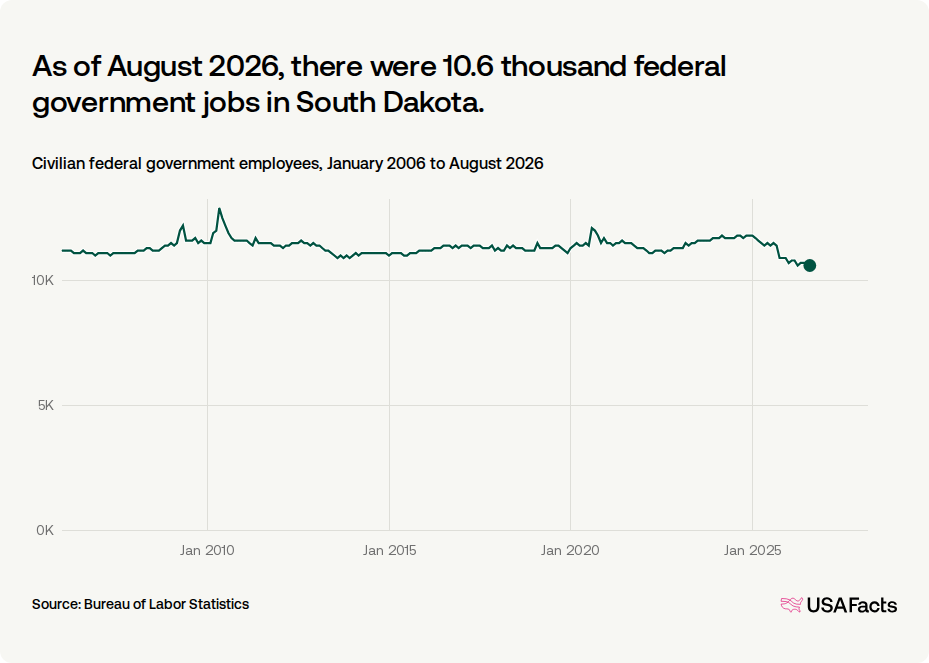
The State Workforce Landscape
The employees of the State of South Dakota are instrumental in delivering a wide array of essential public services. These range from managing vast natural resources and maintaining critical infrastructure to providing education, ensuring public safety, and administering social programs. The state government is not a monolithic entity but rather a complex network of departments, agencies, and institutions, each with its own specific staffing requirements. Identifying the total number of these public servants is a key metric for understanding the state’s administrative apparatus.
While precise, up-to-the-minute figures are best obtained from official state reports, general trends and historical data offer a clear picture. The state workforce typically comprises tens of thousands of individuals. These employees are the frontline providers of services that shape the daily lives of South Dakota’s residents and contribute to the state’s overall appeal as a place to live, work, and visit.
Key Employment Sectors
The distribution of state employees across various sectors highlights the diverse responsibilities undertaken by the government. Several areas consistently represent the largest employers within the state government.
Education
A significant portion of the state workforce is dedicated to education. This includes not only the administrative staff within the Department of Education but also the personnel at the state’s public universities and technical colleges. While K-12 education is largely managed at the local district level, the state plays a crucial role in funding, regulation, and oversight, and its direct employment in higher education institutions is substantial. These institutions are vital for fostering a skilled workforce and providing opportunities for lifelong learning, making them a cornerstone of the state’s human capital development.
Public Safety and Justice
Ensuring the safety and security of its citizens is a primary function of any government. In South Dakota, this translates into a considerable number of state employees working in law enforcement, corrections, and emergency services. This includes state troopers with the South Dakota Highway Patrol, correctional officers in state penitentiaries, and personnel involved in judicial administration and victim support services. Their dedication is fundamental to maintaining order and providing a secure environment for all.
Health and Human Services
The Department of Health and Social Services is another major employer, responsible for a broad spectrum of programs aimed at improving public health and supporting vulnerable populations. This sector encompasses a wide range of roles, from public health nurses and social workers to administrative staff managing programs like Medicaid and child welfare. These employees are on the front lines of addressing health crises, supporting families, and ensuring a basic safety net for those in need.
Transportation and Infrastructure
Maintaining and improving the state’s extensive network of roads, bridges, and other infrastructure is a massive undertaking that requires a substantial workforce. The Department of Transportation employs engineers, construction crews, maintenance staff, and administrative personnel to keep South Dakota‘s transportation systems functioning efficiently. This is critical not only for the daily lives of residents but also for the movement of goods and the facilitation of tourism and commerce across the state.
Natural Resources and Environment
South Dakota is renowned for its natural beauty, from the iconic Black Hills to its vast prairies and agricultural lands. State agencies like the Department of Game, Fish and Parks, and the Department of Agriculture and Natural Resources employ scientists, park rangers, conservation officers, and environmental specialists to manage and protect these valuable resources. Their work is vital for preserving the state’s ecological heritage and supporting its agricultural economy.
Factors Influencing Workforce Size
The number of people employed by the state is not static and is influenced by a variety of dynamic factors. Understanding these drivers provides a more nuanced view of state employment.
Budgetary Allocations and Economic Conditions
The state’s budget is the primary determinant of its capacity to fund public services and, consequently, its workforce size. During periods of economic prosperity, tax revenues may be higher, allowing for increased investment in public programs and potentially leading to workforce expansion. Conversely, economic downturns can necessitate budget cuts, which may result in hiring freezes, reductions in force, or a slower pace of growth. The overall health of the South Dakota economy, influenced by sectors such as agriculture, manufacturing, and tourism, directly impacts the state’s fiscal health and its ability to support its employees.
Public Demand for Services
The evolving needs and demands of the population also play a significant role. An aging population, for instance, might increase the demand for state-funded healthcare and social services, potentially leading to an expansion of staff in those departments. Similarly, changes in public safety concerns or environmental regulations can necessitate adjustments in staffing levels within relevant agencies. The state government strives to adapt its workforce to meet these changing societal needs.
Legislative Priorities and Initiatives
The state legislature, through its policy decisions and funding priorities, can directly influence the size and focus of the state workforce. New legislative initiatives that require expanded government services will naturally lead to an increased need for personnel. Conversely, legislative decisions to streamline government operations or privatize certain functions might lead to a decrease in state employment in specific areas. The priorities set by elected officials in Pierre often translate into tangible changes in state government staffing.
Efficiency and Technology Adoption
Advancements in technology and a focus on operational efficiency can also impact workforce numbers. The implementation of new software, automation, or improved processes can allow existing staff to handle higher workloads, potentially reducing the need for new hires in certain roles. However, the development and maintenance of these technological systems also require specialized personnel, creating a dynamic interplay between technological advancement and workforce composition.
The Significance of State Employees
The individuals who work for the State of South Dakota are more than just numbers; they are the architects and operators of the state’s public domain. Their collective efforts underpin the functioning of government, the delivery of essential services, and the overall quality of life for residents and visitors alike.
Pillars of Public Service
From state parks like Custer State Park being meticulously maintained by park rangers, to the intricate workings of the Department of Revenue ensuring fair taxation, state employees are the backbone of public service. They are responsible for everything from issuing driver’s licenses and managing state lands to responding to emergencies and fostering economic development. Their commitment ensures that the machinery of government runs smoothly, providing the stability and services that citizens expect and rely upon.
Economic Contributors
Beyond their direct roles, state employees are significant economic contributors. As wage earners, they inject money into the local economy through consumer spending, supporting businesses across South Dakota. Furthermore, the state government itself, as a major employer, represents a substantial portion of the state’s overall economic activity. The salaries and benefits provided to state workers represent a significant flow of capital within the state.

Guardians of Heritage and Future
State employees also play a crucial role in preserving South Dakota’s rich cultural heritage and natural landscapes. Historians working within state agencies help document and protect historical sites, while environmental scientists and conservationists work to safeguard the state’s unique ecosystems. Their efforts ensure that the natural wonders, like the awe-inspiring formations at Badlands National Park, and the historical narratives that define South Dakota are preserved for future generations.
In conclusion, while the precise number of people working for the state government of South Dakota can fluctuate, it consistently represents a substantial and vital segment of the state’s workforce. These dedicated individuals are the engine that drives public services, supports economic vitality, and safeguards the unique character of the Mount Rushmore State.
LifeOutOfTheBox is a participant in the Amazon Services LLC Associates Program, an affiliate advertising program designed to provide a means for sites to earn advertising fees by advertising and linking to Amazon.com. Amazon, the Amazon logo, AmazonSupply, and the AmazonSupply logo are trademarks of Amazon.com, Inc. or its affiliates. As an Amazon Associate we earn affiliate commissions from qualifying purchases.