
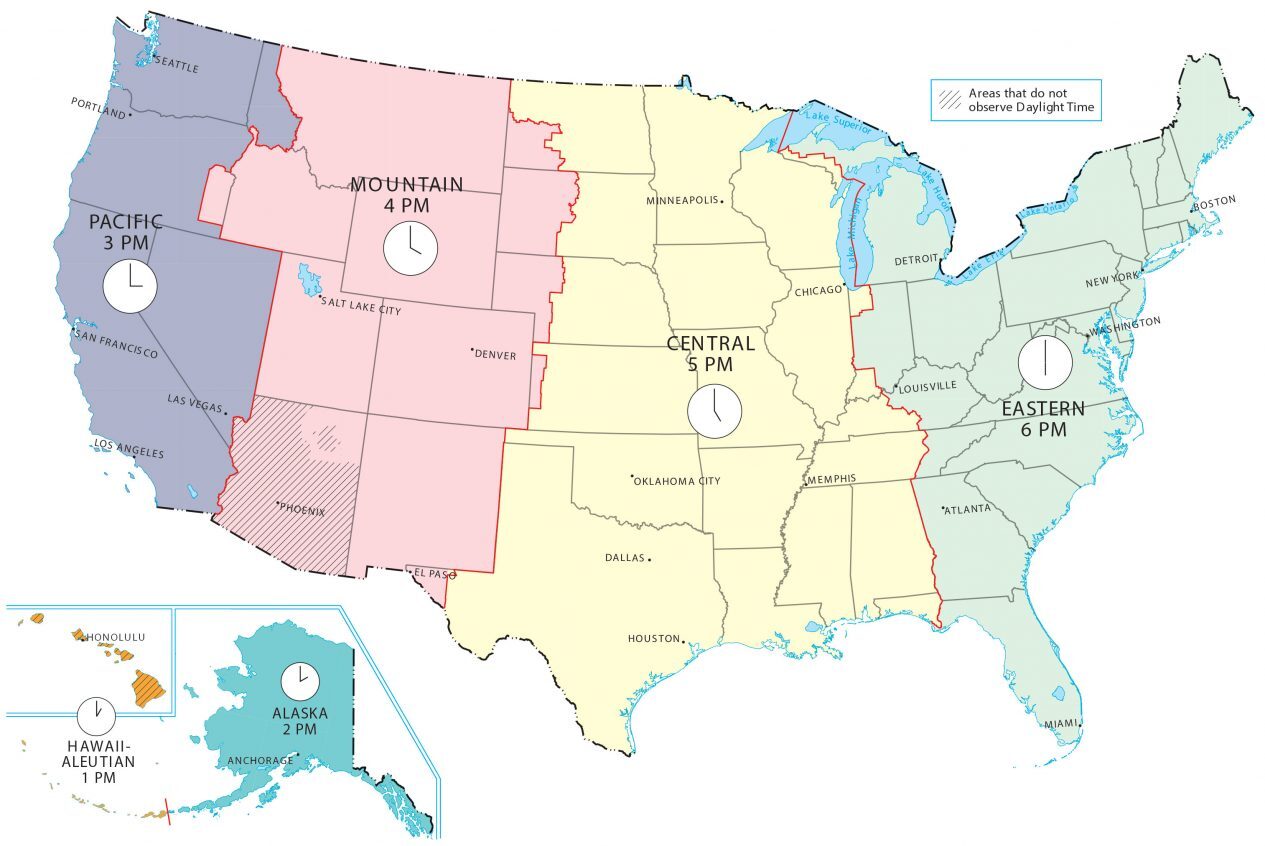
Detroit, Michigan, a city pulsating with a rich industrial heritage and a vibrant cultural resurgence, operates within a specific temporal framework that is crucial for any visitor planning their itinerary. Understanding the time zone of Detroit is not merely an academic exercise; it’s a practical necessity for booking flights, scheduling tours, arranging meetings, and even enjoying the city’s renowned culinary scene and nightlife without missing a beat. This guide delves into Detroit’s time zone, exploring its implications for travelers and residents alike, and touches upon the broader context of timekeeping within the Great Lakes region.
Navigating Detroit’s Temporal Landscape
At its core, knowing Detroit’s time zone is about aligning your internal clock with the city’s rhythm. This seemingly simple piece of information underpins a multitude of travel logistics, from the moment you book your flight to your daily explorations.
Eastern Standard Time (EST) and Daylight Saving Time (DST)
Detroit, Michigan, observes Eastern Standard Time (EST) during the fall and winter months. However, like most of the United States, it also participates in Daylight Saving Time (DST). This means that for a significant portion of the year, typically from the second Sunday in March to the first Sunday in November, Detroit shifts to Eastern Daylight Time (EDT).
- EST (UTC-5): This is the standard time observed when DST is not in effect.
- EDT (UTC-4): This is the daylight saving time observed during the warmer months, effectively moving clocks forward by one hour.
This biannual clock change is a standard practice across much of North America and is a key factor to consider when coordinating with people or services in different time zones, or even within the same time zone if they are not adhering to DST. For example, if you are traveling from a region that does not observe DST, understanding this shift is paramount to avoid confusion.
The Practical Implications for Travelers
For any visitor to Detroit, understanding the time zone is fundamental to a seamless travel experience.
- Flight Bookings: When booking flights to Detroit Metropolitan Wayne County Airport (DTW), it is crucial to confirm arrival and departure times in local Detroit time. This prevents the common pitfall of miscalculating layovers or arriving at the airport at the wrong time. Always double-check the confirmation emails and airline websites for the correct local time.
- Accommodation Reservations: Similarly, hotel reservations at establishments like the Detroit Marriott at the Renaissance Center or boutique hotels downtown should be confirmed with check-in and check-out times reflecting Detroit’s current time zone. Early check-ins or late check-outs can be arranged more effectively when there’s a clear understanding of the local temporal framework.
- Tour and Activity Scheduling: Detroit offers a plethora of attractions, from the Henry Ford Museum of American Innovation to the Motown Museum. Booking tours or reserving tickets for shows at venues like the Fox Theatre requires adherence to local operating hours, which are dictated by the time zone. Misjudging this can lead to missed appointments or a rushed experience.
- Business and Meetings: For those visiting Detroit for business, coordinating meetings with local companies or professionals necessitates an accurate understanding of the time difference. A simple email exchange can be complicated by a misunderstanding of EST versus EDT.
Understanding the Eastern Time Zone
The Eastern Time Zone is one of the most populous time zones in the United States, encompassing a significant portion of the East Coast and extending westward. Its geographical reach means that many major cities, such as New York City, Washington D.C., and Miami, also observe EST/EDT. This broad coverage simplifies communication with a large segment of the U.S. population, but it also means that when traveling to Detroit from within this zone, the primary concern is usually the DST shift rather than a significant time difference.
However, for travelers coming from regions with different time zones, such as the Central Time Zone (which includes cities like Chicago and New Orleans), the difference is usually one hour. It’s always prudent to use reliable online tools or your smartphone’s clock settings to confirm the exact time difference when planning your travel.
The Broader Context: Time Zones in the Great Lakes Region
Detroit’s temporal alignment within the Eastern Time Zone is part of a larger pattern observed across the Great Lakes region. While most of Michigan observes Eastern Time, there are nuances in adjacent states and even within Michigan itself regarding historical and geographical considerations.

Michigan’s Temporal Homogeneity
For the most part, the entire state of Michigan falls within the Eastern Time Zone. This uniformity simplifies internal travel and communication within the state, whether one is heading to Grand Rapids from Detroit or visiting the scenic shores of Lake Michigan. The rare exceptions, usually in very small, isolated communities, are typically well-documented and do not impact the vast majority of travelers.
Neighbors and Time Zone Borders
The temporal landscape surrounding Michigan offers a glimpse into how time zones are demarcated and how they can create interesting border phenomena.
- Indiana: The state of Indiana has a complex history with time zones. While much of the state now observes Eastern Time, some northwestern and southwestern counties have historically operated on Central Time. This has led to periods of confusion and debate, particularly for businesses and residents living in these border areas. Travelers moving between Detroit and these parts of Indiana need to be particularly attentive to time zone shifts.
- Ohio: To the east, Ohio is firmly within the Eastern Time Zone, aligning perfectly with Detroit’s temporal framework. This makes travel and communication between Detroit and cities like Cleveland or Columbus straightforward in terms of time.
- Canada: Across the Detroit River and Lake St. Clair lies Canada. Specifically, the province of Ontario, which includes the major city of Toronto, also observes Eastern Standard Time and Daylight Saving Time. This temporal synchronization is incredibly convenient for cross-border travel, tourism, and business between Detroit and Windsor, Ontario. The proximity and shared time zone make these areas feel very connected.
The Importance of Local Clocks
In an era of ubiquitous smartphones and internet-connected devices, one might assume time zone management is effortless. However, it’s always wise to confirm your device’s time zone settings, especially after arriving in a new location or when manually setting alarms or reminders. Public clocks in transit hubs, hotels, and city centers can serve as useful benchmarks.
Optimizing Your Detroit Experience with Temporal Awareness
Beyond the logistical necessity, understanding Detroit’s time zone can subtly enhance your travel experience by allowing you to better synchronize with the city’s natural rhythms and cultural offerings.
Embracing the Detroit Rhythm
Detroit is a city that truly comes alive at different times of the day. Knowing whether it’s early morning, mid-afternoon, or late evening in Detroit helps you plan accordingly.
- Morning Delights: Whether it’s a visit to a classic diner for a hearty breakfast or an early morning stroll along the RiverWalk to catch the sunrise over the Detroit River, having the correct time ensures you start your day on schedule.
- Afternoon Exploration: Museums, historical sites, and galleries typically have specific opening hours. Being mindful of Detroit’s time zone allows for maximizing your daytime exploration, perhaps fitting in a visit to the Detroit Institute of Arts or exploring the unique architecture of the Midtown district.
- Evening Entertainment: Detroit’s nightlife, from live music venues in the Greektown district to upscale dining experiences, often kicks off after sunset. Planning your evening around Detroit’s local time ensures you don’t miss out on the city’s vibrant after-dark scene.

Avoiding Temporal Pitfalls
The most common errors travelers make often stem from a simple oversight regarding time zones.
- Missed Departures/Arrivals: This is perhaps the most critical issue. Double-checking flight times in local Detroit time is non-negotiable.
- Late Check-ins: Arriving at your hotel well after reception hours can be an unwelcome surprise. Confirming check-in deadlines is key.
- Lost Opportunities: Booking a tour that has already departed or missing a reservation at a popular restaurant due to a time misunderstanding can be frustrating. Always verify reservation and tour times against Detroit’s local clock.
Ultimately, understanding what time zone Detroit, Michigan, is on is more than just a factual query; it is an essential component of planning a successful and enjoyable visit to this dynamic American city. By paying attention to Eastern Standard Time and Eastern Daylight Time, and by being aware of its temporal relationship with surrounding regions, travelers can navigate their journey with confidence and fully immerse themselves in all that Detroit has to offer.
LifeOutOfTheBox is a participant in the Amazon Services LLC Associates Program, an affiliate advertising program designed to provide a means for sites to earn advertising fees by advertising and linking to Amazon.com. Amazon, the Amazon logo, AmazonSupply, and the AmazonSupply logo are trademarks of Amazon.com, Inc. or its affiliates. As an Amazon Associate we earn affiliate commissions from qualifying purchases.