
The question of whether a stomach bug is prevalent in Florida during 2024 is a pertinent one for any traveler planning a visit to the Sunshine State. While specific outbreaks can fluctuate, understanding the general health landscape and preventative measures is crucial for a worry-free vacation. This article aims to provide insights into the potential presence of gastrointestinal illnesses in Florida and offer guidance for travelers to stay healthy, focusing on the broader implications for tourism and travel experiences.
Understanding Gastrointestinal Illnesses in Travel Destinations
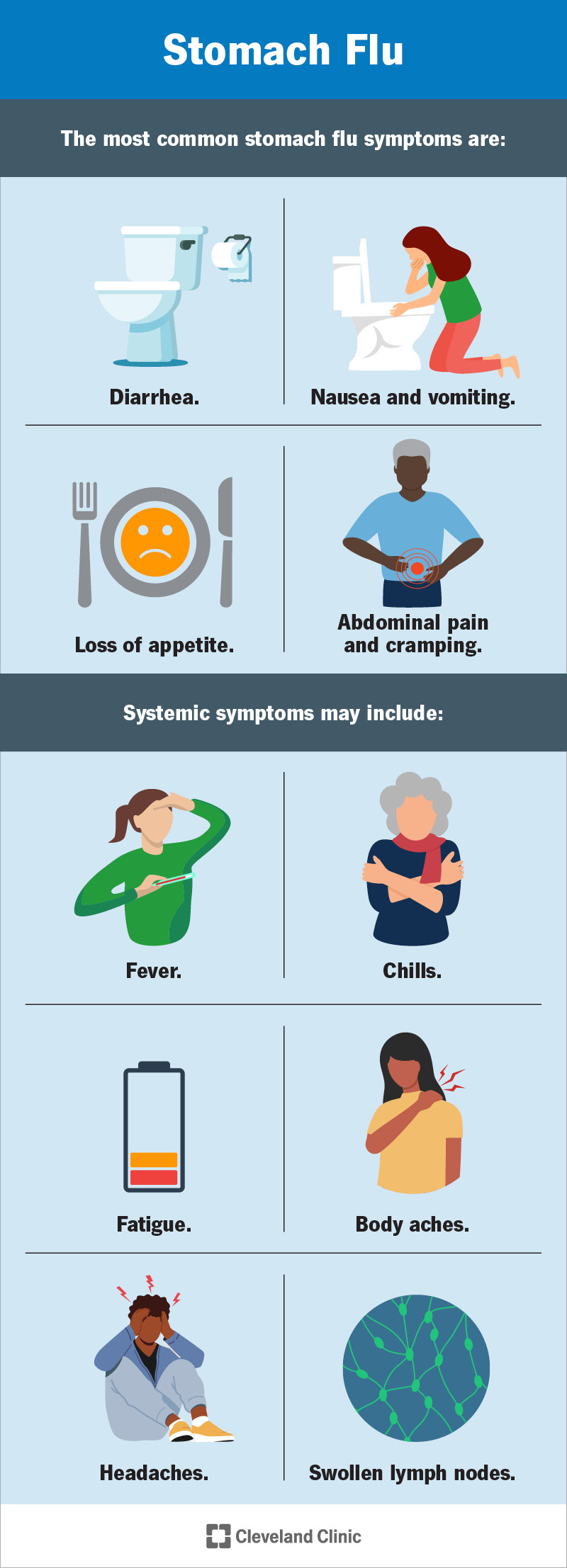
Gastrointestinal illnesses, often referred to as “stomach bugs,” can be caused by various pathogens, including viruses (like norovirus or rotavirus), bacteria (such as Salmonella or E. coli), and parasites. These illnesses are characterized by symptoms like nausea, vomiting, diarrhea, abdominal cramps, and sometimes fever. In a popular tourist destination like Florida, where millions of visitors converge annually, the potential for transmission is always present.

Factors Influencing Outbreaks
Several factors can contribute to the prevalence of stomach bugs in a region:
- High Population Density and Travel Volume: Destinations that attract large numbers of tourists, such as Orlando, Miami, and the Florida Keys, naturally experience a higher density of people in close proximity. This increases the likelihood of pathogen transmission.
- Food and Water Safety: While Florida adheres to stringent food safety regulations, lapses can occasionally occur. Consumption of contaminated food or water is a primary route of infection. This can range from street vendors to more established dining establishments.
- Environmental Factors: Warm and humid climates, common in Florida, can sometimes create favorable conditions for certain pathogens to thrive, particularly if sanitation practices are not rigorously maintained.
- Seasonal Variations: While stomach bugs can occur year-round, some viruses have seasonal peaks. For instance, norovirus is often more prevalent during cooler months, but it can still be a concern in Florida at any time.
Monitoring Health Trends
Public health organizations, such as the Centers for Disease Control and Prevention (CDC) and the Florida Department of Health, monitor infectious disease trends. While they may not always issue specific alerts for every localized “stomach bug” going around, they provide general health advisories and track significant outbreaks. Travelers can often find current health information on their official websites.
Maintaining Health While Traveling in Florida
The key to enjoying a trip to Florida in 2024, or any year, is proactive health management and awareness. While the possibility of encountering a stomach bug exists, it’s far from a certainty, and many travelers never experience such issues.
Best Practices for Prevention
Adhering to fundamental hygiene practices is the most effective defense against gastrointestinal illnesses:
- Hand Hygiene: This is paramount. Wash hands frequently and thoroughly with soap and water for at least 20 seconds, especially before eating, after using the restroom, and after touching public surfaces. If soap and water are not available, use an alcohol-based hand sanitizer with at least 60% alcohol.
- Food and Drink Safety:
- Choose reputable establishments: Opt for restaurants and food vendors with good hygiene ratings and a high turnover of customers, indicating fresh food.
- Cooked food: Ensure food is cooked thoroughly and served hot. Avoid raw or undercooked meats, seafood, and eggs.
- Fruits and vegetables: Wash fruits and vegetables thoroughly with clean water before eating them, or opt for peeled options.
- Water: Drink bottled or boiled water, especially if tap water quality is uncertain. Avoid ice cubes unless you are certain they are made from purified water. In tourist areas of Florida, tap water is generally safe, but it’s always wise to be cautious.
- Avoiding Contact: Try to avoid touching your face, eyes, nose, and mouth, as these are entry points for pathogens.
- Sanitize Surfaces: When staying in accommodations like hotels or vacation rentals, consider sanitizing frequently touched surfaces such as doorknobs, remote controls, and tabletops.
Choosing Accommodations Wisely
The type of accommodation you choose can also play a role in your health.
- Resorts and Hotels: Reputable hotels and resorts often have rigorous cleaning and sanitation protocols in place for guest rooms and public areas. For example, hotels like the Walt Disney World Swan and Dolphin or larger chains such as the Hyatt Regency Grand Cypress generally maintain high standards. Checking reviews for comments on cleanliness can be insightful.
- Vacation Rentals: If you opt for a vacation rental through platforms like Airbnb or VRBO, pay attention to cleaning standards mentioned in listings and reviews. It might be beneficial to bring your own cleaning supplies for a quick surface wipe-down upon arrival.
Specific Considerations for Florida Destinations
Florida offers a diverse range of travel experiences, from theme park adventures in Orlando to beach relaxation in Clearwater and vibrant city life in Miami. Each area may have its unique nuances regarding local health advisories.
Theme Park Travel
Destinations like Walt Disney World Resort and Universal Orlando Resort are bustling hubs. While these parks have extensive sanitation measures, the sheer volume of visitors means that adherence to personal hygiene is critical. Many attractions offer hand sanitizing stations throughout the parks.
Coastal and Beach Destinations
Areas along the Gulf Coast and the Atlantic Coast are popular for their beaches. While saltwater is generally not a source of gastrointestinal illness, consuming contaminated seafood or engaging in activities where water is ingested can pose risks.
Cruising from Florida Ports
Florida is a major departure point for cruises. Cruise ships are enclosed environments where the rapid spread of illness is a concern. Cruise lines have strict health and safety protocols, but it is still advisable for passengers to practice excellent hand hygiene.
What to Do If You Get Sick
Despite best efforts, it’s possible to fall ill. If you experience symptoms of a stomach bug while traveling in Florida:
- Hydration: Drink plenty of fluids to prevent dehydration, especially if you have diarrhea or are vomiting. Water, oral rehydration solutions, and clear broths are recommended.
- Rest: Allow your body to recover by resting.
- Seek Medical Attention: If symptoms are severe, persistent, or include high fever, blood in stool, or dehydration, seek medical attention promptly. Most tourist areas have readily accessible urgent care clinics and hospitals. Your hotel concierge can often assist with finding local medical services.
- Prevent Spreading: If you are staying in a shared accommodation, take extra precautions to avoid spreading the illness to others.

Conclusion: Enjoying Florida Safely
While the question of a specific stomach bug circulating in Florida in 2024 cannot be answered with a definitive “yes” or “no” without current, real-time public health data, travelers can approach their trip with confidence by prioritizing health and safety. By adhering to sound hygiene practices, making informed choices about food and drink, and being aware of your surroundings, you can significantly minimize your risk of illness. Florida remains a premier travel destination offering incredible experiences, and a little preparation goes a long way in ensuring a healthy and enjoyable vacation.
LifeOutOfTheBox is a participant in the Amazon Services LLC Associates Program, an affiliate advertising program designed to provide a means for sites to earn advertising fees by advertising and linking to Amazon.com. Amazon, the Amazon logo, AmazonSupply, and the AmazonSupply logo are trademarks of Amazon.com, Inc. or its affiliates. As an Amazon Associate we earn affiliate commissions from qualifying purchases.