
The allure of the Florida Keys is undeniable. A string of tropical islands stretching southwest from mainland Florida, they beckon with turquoise waters, vibrant coral reefs, and a laid-back island vibe. Visitors flock to this unique archipelago for its world-class fishing, snorkeling, and the sheer beauty of its natural environment. Amidst the planning for a sun-drenched getaway, a question might arise for the more cautious traveler, especially one familiar with Florida’s native wildlife: “Are there crocodiles in the [Florida Keys]?” The answer, while nuanced, is largely reassuring for most visitors.
Understanding Florida’s Reptilian Residents
To address the presence of crocodiles, it’s essential to differentiate between the two large, often confused, crocodilians found in Florida: the American alligator and the American crocodile. These species have distinct habitats, temperaments, and distributions, which play a crucial role in understanding their presence, or lack thereof, in the Florida Keys.

The American Alligator: Florida’s Ubiquitous Reptile
The American alligator (Alligator mississippiensis) is the more common of the two species and is widespread throughout the freshwater and brackish water habitats of Florida. Alligators thrive in swamps, marshes, rivers, and lakes. Their natural range extends throughout the southeastern United States, with their historical southern limit often cited as being in the southern parts of mainland Florida. While alligators can tolerate some salinity, they generally prefer less saline environments than crocodiles.
Historically, direct sightings of American alligators within the natural, open marine waters of the Florida Keys archipelago itself have been rare. However, as human development has encroached upon their habitats and as environmental conditions shift, occasional sightings in brackish canals or mangrove areas in the upper keys can occur, particularly in areas closer to the mainland, such as Key Largo. These are typically isolated incidents and not indicative of a thriving, established population within the open saltwater environment that characterizes the majority of the Florida Keys. For the vast majority of visitors enjoying the pristine beaches and offshore waters, the risk of encountering an alligator is extremely low.
The American Crocodile: A More Exclusive Resident
The American crocodile (Crocodylus acutus) is a more elusive and, for many, a more concerning presence due to its larger size and perceived temperament. Unlike the alligator, the American crocodile is primarily a saltwater species. They are found in coastal brackish and saltwater environments, including mangrove swamps, estuaries, and bays. Their natural range extends from southern Florida south through the Caribbean and into Central and South America.
In Florida, the American crocodile population is concentrated in the southernmost regions, specifically in South Florida and along the southeastern coast. This includes areas like Everglades National Park and the coastal fringes leading towards the Keys. While their primary breeding grounds and most significant populations are on the mainland, American crocodiles are present in the Florida Keys. Their presence is most notable in the Lower Keys, particularly in the areas surrounding Key West, and in the broader marine and estuarine environments of the region.
These crocodiles are more sensitive to cold temperatures than alligators, which is why their range is limited to the warmer southern extremes of the state. They are also generally shyer and more reclusive than alligators, often avoiding human contact.
Navigating the Waters: Crocodile Encounters in the Keys
The presence of crocodiles in the Florida Keys is a reality, though the chances of a direct, close encounter for the average tourist are still quite low, especially in the more developed and frequented areas.
Where Crocodiles Are Most Likely Found
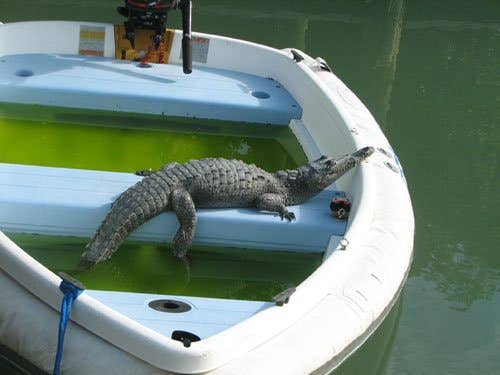
The prime habitats for American crocodiles in the Florida Keys include:
- Mangrove Ecosystems: The dense, intricate root systems of mangrove forests provide ideal shelter, hunting grounds, and nesting sites for crocodiles. Areas with extensive mangrove coverage in the Lower Keys are particularly important.
- Estuaries and Backcountry Waters: Saline and brackish estuaries, tidal creeks, and the shallow backcountry waters offer the ideal mix of salinity and food sources that crocodiles prefer.
- Areas Near Key West: Due to historical presence and suitable habitat, Key West and its surrounding waters are known to host a population of American crocodiles. This can include areas near power plants that discharge warm water, which crocodiles are attracted to.
- Protected Marine Areas: Parks and reserves that encompass significant coastal and estuarine environments, such as parts of Everglades National Park that extend into the Keys, serve as crucial sanctuaries.
Understanding Crocodile Behavior and Visitor Safety
While the American crocodile is a formidable creature, it’s important to understand its behavior to mitigate any perceived risk.
- Shy and Avoidant: Generally, crocodiles are far more wary of humans than alligators. They prefer to remain hidden and will typically retreat if they detect human presence.
- Opportunistic Feeders: Like alligators, crocodiles are opportunistic predators. However, their primary diet consists of fish, crustaceans, and other marine life. They do not actively hunt humans.
- Respecting Their Space: The most critical advice for visitors is to never approach, feed, or disturb any crocodilian, whether it’s an alligator or a crocodile. Maintaining a safe distance is paramount. This includes observing from a boat or the shore and never attempting to get closer for a photograph.
- Awareness in Specific Habitats: If you are engaging in activities like kayaking or paddleboarding in mangrove-lined areas or backcountry waters, especially in the Lower Keys, it is wise to be aware of your surroundings. Staying in the center of wider channels rather than venturing deep into dense mangroves can reduce the likelihood of an unexpected encounter.
- Never Feed Wildlife: Feeding any wild animal, especially apex predators like crocodiles, is not only illegal but also dangerous. It habituates them to human presence and food sources, leading to increased conflict.
What to Do If You See a Crocodile
If you are fortunate enough to spot an American crocodile during your visit to the Florida Keys, it is a remarkable natural experience. However, safety and respect for the animal are paramount.
Observing from a Distance
- Maintain a Significant Buffer: The recommended safe distance is at least 50 feet (15 meters), but greater is always better.
- Do Not Disturb: Avoid making loud noises, throwing objects, or otherwise trying to interact with the animal.
- Enjoy the Sighting: Observe quietly and appreciate the presence of this magnificent creature in its natural habitat.
Reporting Sightings
While crocodiles are native to the area, unusual congregations or sightings in areas where they are not typically observed can be reported to the Florida Fish and Wildlife Conservation Commission (FWC). They manage the state’s wildlife and can provide guidance on any observed unusual behaviors or potential human-wildlife conflicts.

The Crocodilian Presence: A Natural Part of the Keys’ Charm
The presence of American crocodiles in the Florida Keys is a testament to the region’s rich biodiversity and its connection to the broader subtropical and tropical ecosystems. While the thought of encountering a crocodile might spark a degree of apprehension, it’s important to contextualize this within their natural behavior and habitat preferences.
For the vast majority of visitors seeking the quintessential Florida Keys experience – basking on the beaches of Key West, diving in the underwater wonders of John Pennekamp Coral Reef State Park, or enjoying the vibrant atmosphere of Mallory Square – the likelihood of a negative crocodile encounter is exceptionally low. The American crocodile is a creature of specific environments, and with common sense and a respectful distance, visitors can enjoy the unique natural heritage of the Florida Keys without undue concern. The subtle hum of island life, the vibrant colors of the coral, and the warmth of the sun are the primary experiences that await, with the majestic crocodile being a rare, wild inhabitant of this stunning tropical paradise.
LifeOutOfTheBox is a participant in the Amazon Services LLC Associates Program, an affiliate advertising program designed to provide a means for sites to earn advertising fees by advertising and linking to Amazon.com. Amazon, the Amazon logo, AmazonSupply, and the AmazonSupply logo are trademarks of Amazon.com, Inc. or its affiliates. As an Amazon Associate we earn affiliate commissions from qualifying purchases.