
Navigating the temporal landscape of a vast state like California can be a crucial aspect of travel planning, whether you’re coordinating flight arrivals, booking excursions, or simply trying to connect with friends and family across different time zones. Understanding the current time in California is more than just a detail; it’s a key to unlocking seamless experiences and avoiding potential logistical snags. This guide delves into the intricacies of California’s time zones, how they impact your travel, and essential tips for staying on track.
Understanding California’s Time Zones
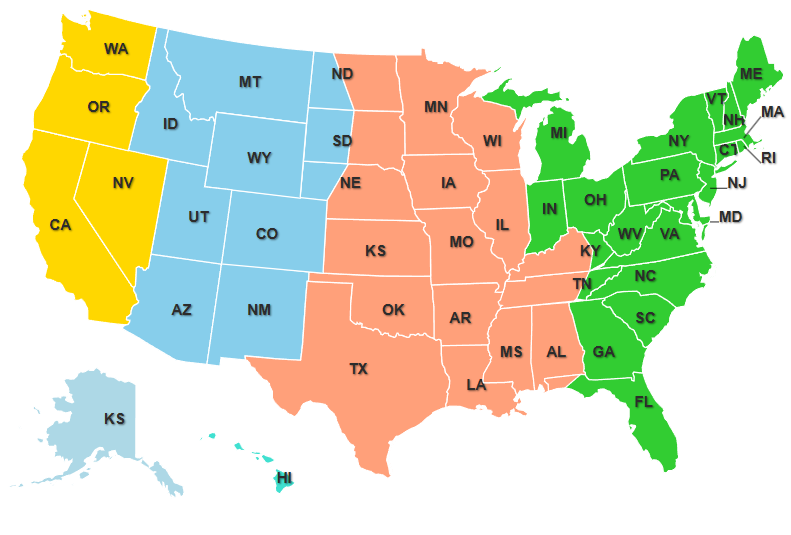
The state of California, a sprawling expanse stretching from the Oregon border to the south, predominantly observes a single time zone. However, the nuances of Daylight Saving Time (DST) and historical considerations can sometimes lead to confusion.
Pacific Standard Time (PST) and Pacific Daylight Time (PDT)
For the vast majority of the year, California operates on Pacific Standard Time (PST). This is UTC-8. However, when Daylight Saving Time is observed, the state switches to Pacific Daylight Time (PDT), which is UTC-7.
Daylight Saving Time in the United States typically begins on the second Sunday in March and ends on the first Sunday in November. During these periods, clocks are advanced by one hour. This means that for roughly eight months of the year, California is one hour ahead of what it would be under PST.
Does All of California Observe DST?
While the entire state of California is part of the Pacific Time Zone, and thus observes Daylight Saving Time, it’s worth noting that not all of the United States does. States like Arizona (with the exception of the Navajo Nation) and some territories like Hawaii do not observe DST. This distinction is important when calculating time differences if your travel plans involve these regions.
How to Find the Current Time in California
In the digital age, finding the current time in California is remarkably simple. Numerous online resources and devices can provide this information instantly.
- Search Engines: A quick search on platforms like Google for “time in California” will yield the current, accurate time.
- Smartphones and Smart Devices: Most modern smartphones, smartwatches, and virtual assistants (like Siri or Google Assistant) are pre-programmed with time zone information and can tell you the current time in California on command.
- Travel Apps: Dedicated travel applications often include world clock features that allow you to easily track the time in various destinations, including California.
Impact on Travel Planning
Understanding the current time in California has a direct and significant impact on various aspects of your travel itinerary. From the moment you book your flights to your daily activities, temporal awareness is key.
Flight Scheduling and Arrivals
When booking flights to California, whether flying into Los Angeles International Airport (LAX), San Francisco International Airport (SFO), or any other major hub, it is crucial to note the arrival time in Pacific Time. Airlines will always display flight times in the local time of the destination.
- Understanding Time Differences: If you are traveling from a different time zone, such as the East Coast (Eastern Time Zone), remember to account for the three-hour difference. A 9 AM flight departing from New York will arrive in California at approximately 12 PM Pacific Time.
- International Travel: For international travelers, the time difference can be even more substantial. It’s wise to use online time zone converters to accurately calculate arrival times and plan for potential jet lag.
Booking Accommodations and Activities
The time in California is also vital when securing accommodations and booking tours or activities.
- Check-in and Check-out Times: Hotels and vacation rentals will have specific check-in and check-out times, usually communicated in the local time of the property. Being aware of the time in California ensures you don’t miss your reservation or incur late fees.
- Tour and Excursion Schedules: Whether you’re planning to visit Disneyland, explore the Golden Gate Bridge, or embark on a wine-tasting tour in Napa Valley, all schedules will be listed in Pacific Time. Coordinating these activities with your accommodation and other plans requires a clear understanding of the local time.
- Restaurant Reservations: Making dinner reservations in popular Californian cities like Los Angeles, San Francisco, or San Diego requires knowing the current time to ensure you book a suitable slot.
Communication and Connectivity
Staying in touch with people in other time zones while you’re in California can be challenging if you’re not mindful of the time difference.
- Business Meetings: If you have business obligations or remote work to attend to, scheduling calls and meetings with colleagues in different time zones needs careful planning. A 9 AM meeting on the East Coast means an early start in California.
- Connecting with Loved Ones: Coordinating calls with family and friends who live in different time zones is much easier when you know the current time in California and their respective time zones.
Navigating Day and Night Across the State
California is a state of diverse geography and vast distances, which means sunrise and sunset times can vary significantly from north to south and east to west. While the time zone remains consistent across the state, the actual experience of daylight is subject to these geographical variations.
Coastal vs. Inland Differences
The coastal regions of California, influenced by the Pacific Ocean, often experience slightly different daylight patterns than inland areas. The ocean’s moderating effect can influence the perception of sunrise and sunset, though the clock time remains the same.
- Sunrise and Sunset Times: While the clock will read the same time everywhere in California, the actual moment the sun rises or sets will vary. For instance, sunrise in San Diego will occur slightly later than in the more northern coastal cities like Eureka due to the state’s longitudinal span.
- Planning Outdoor Activities: When planning outdoor activities like hiking in Yosemite National Park or enjoying a sunset cruise in Marina del Rey, checking the specific sunrise and sunset times for your exact location within California can enhance your experience and safety.
The Influence of Mountains and Deserts
The state’s mountainous interior and vast desert regions can also create unique daylight experiences.
- Shadows and Light: In mountainous areas, the sun may rise later behind peaks and set earlier due to the terrain. Conversely, in desert regions like the Mojave Desert, the expansive, unobstructed horizons can offer dramatic sunrises and sunsets.
- Driving and Navigation: For road trips across California, particularly through less populated areas, being aware of how daylight affects visibility is crucial for safe driving. Planning travel through remote areas during daylight hours is always advisable.
Essential Tips for Time-Conscious Travel in California
To ensure your trip to the Golden State is as smooth as possible, incorporating a few time-conscious habits can make a world of difference.
Stay Updated on Daylight Saving Time
While California adheres to DST, it’s good practice to be aware of the exact dates of the transitions. This prevents any confusion regarding the time change, especially if you are traveling near these transition periods.
- Mark Your Calendar: Note the dates for the start and end of Daylight Saving Time in your travel plans.
- Check Local Information: If you are unsure, a quick search for “Daylight Saving Time California” will provide the current status.
Utilize Technology Wisely
Your smartphone and other digital devices are invaluable tools for managing time differences.
- Set Multiple Alarms: For early morning flights or important appointments, set alarms on your phone and perhaps a secondary device.
- World Clock Feature: Familiarize yourself with your device’s world clock feature to easily monitor the time in California and other relevant locations.
- Offline Maps and Timetables: Download offline maps and public transport timetables for areas you plan to visit. These often display times in local format and can be accessed without a data connection.
Factor in Travel Time and Potential Delays
Always build in buffer time for travel between locations within California. The state’s size and traffic can lead to unexpected delays.
- Traffic Congestion: Major metropolitan areas like Los Angeles and San Francisco are notorious for traffic. Factor in extra time, especially during peak hours.
- Interstate Travel: Driving between cities like San Francisco and Los Angeles can take several hours. Ensure you account for this travel time when planning your day.
By understanding and respecting the temporal nuances of California, travelers can better plan their adventures, ensure timely arrivals, and fully immerse themselves in the diverse experiences this remarkable state has to offer, from the bustling streets of San Francisco to the tranquil beauty of the Pacific Coast Highway.
LifeOutOfTheBox is a participant in the Amazon Services LLC Associates Program, an affiliate advertising program designed to provide a means for sites to earn advertising fees by advertising and linking to Amazon.com. Amazon, the Amazon logo, AmazonSupply, and the AmazonSupply logo are trademarks of Amazon.com, Inc. or its affiliates. As an Amazon Associate we earn affiliate commissions from qualifying purchases.