
Florida, a state synonymous with sunshine, beaches, and a vibrant ecosystem, is indeed home to a fascinating, albeit sometimes controversial, reptilian resident: the iguana. The presence of these large lizards, particularly the green iguana (Iguana iguana) and the black spinytail iguana (Ctenosaura similis), has become a defining characteristic of the Sunshine State’s unique natural landscape. Far from being a mere curiosity, their proliferation has shaped local ecology, influenced tourism, and prompted considerable discussion among residents and wildlife officials. For travelers and nature enthusiasts exploring Florida, understanding the iguana’s role offers a deeper appreciation for the state’s biodiversity and the intricate balance of its environments.
The Arrival and Establishment of Iguanas in Florida
The story of iguanas in Florida is one of introduction and adaptation. Unlike native reptiles such as the American alligator or the Florida snapping turtle, iguanas are not indigenous to the state. Their presence is primarily attributed to the exotic pet trade. Many green iguanas, popular for their striking appearance, were brought into Florida legally and illegally. Unfortunately, as these pets grew larger than anticipated or proved difficult to care for, some owners released them into the wild. The warm, subtropical climate of South Florida provided an ideal environment for these introduced species to thrive and reproduce.
Green Iguanas: A Splash of Emerald Across the Landscape
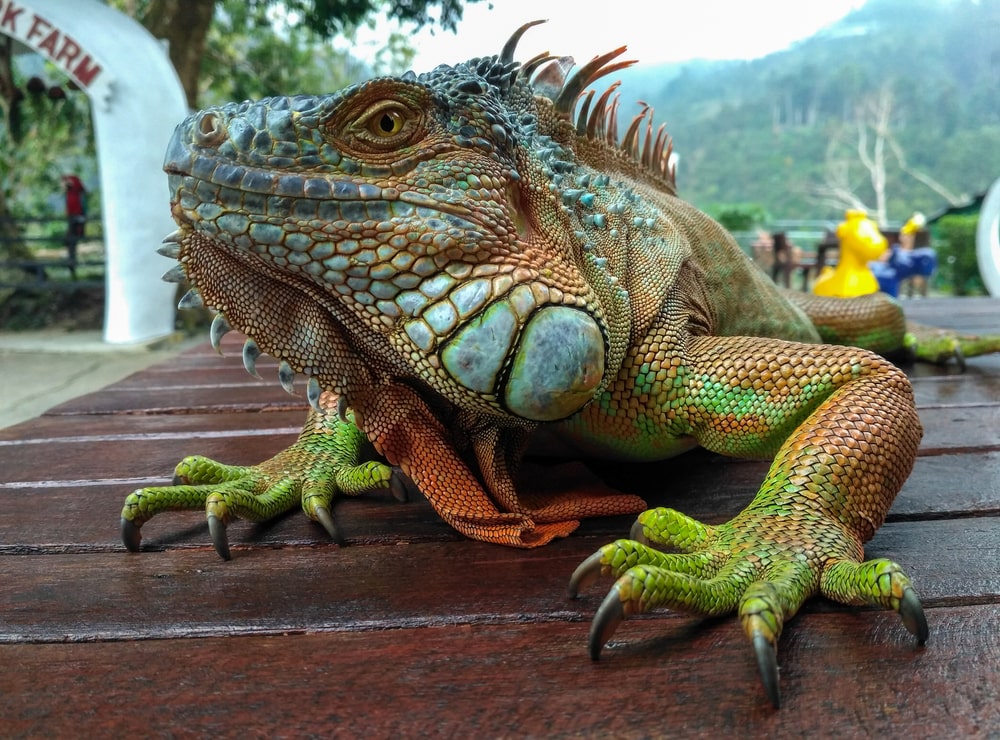
The green iguana is perhaps the most iconic of Florida’s introduced lizards. With their distinctive dorsal crests, powerful limbs, and impressive size – often reaching up to five feet in length – they are a common sight in many southern counties. They are particularly prevalent in areas with abundant vegetation and access to water. Their diet consists mainly of plants, fruits, and flowers, which allows them to flourish in the lush landscapes of Florida. While their vibrant green coloration can be striking, their sheer numbers and their impact on native flora have raised concerns.
Black Spinytail Iguanas: A Hardy Desert Dweller in a Tropical Setting
While less commonly seen than their green counterparts, black spinytail iguanas are also an established presence, particularly in the Florida Keys and along the southeastern coast. These iguanas hail from drier, rockier environments in Central and South America. Their resilience and adaptability have allowed them to carve out a niche in Florida’s varied habitats. They tend to be more terrestrial than green iguanas and are known for their spiky tails, which they use as a defense mechanism. Their dietary habits are also largely herbivorous, contributing to their successful establishment.
Iguanas as a Tourist Attraction and a Natural Phenomenon
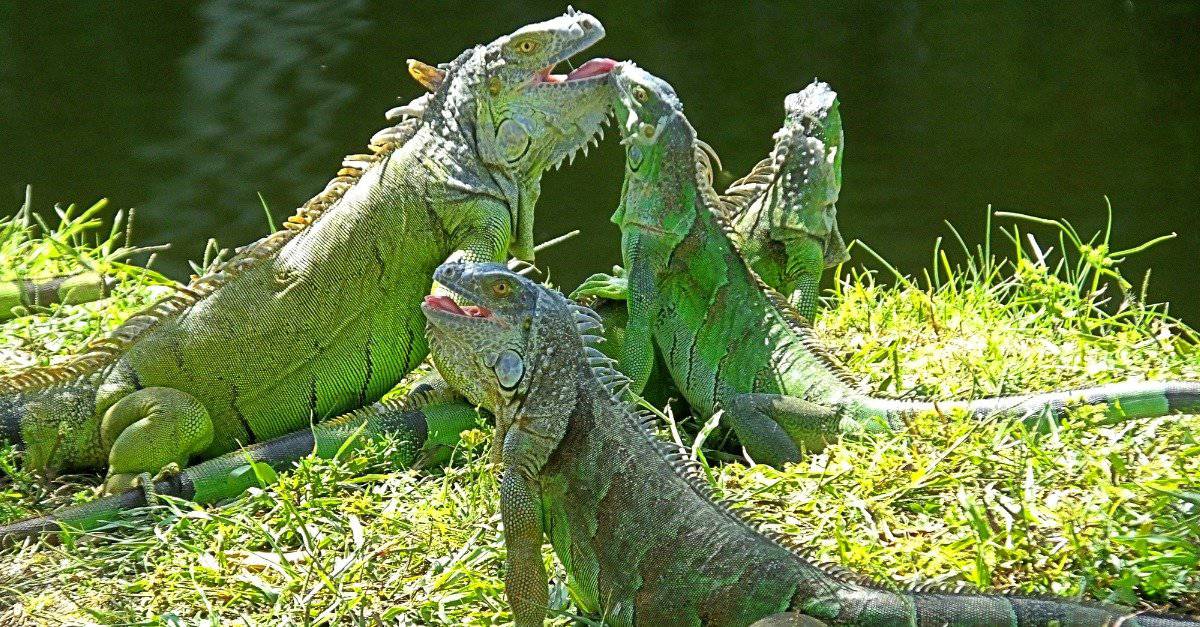
For many visitors to Florida, encountering an iguana in its natural habitat can be an exciting and memorable experience. These large reptiles are often seen basking in the sun on seawalls, canal banks, and even in urban parks. This provides a unique wildlife viewing opportunity, adding an exotic flair to a trip to destinations like Miami or Fort Lauderdale.
Wildlife Viewing Opportunities
The abundance of iguanas in certain areas has turned them into an unintentional tourist attraction. Parks and natural areas, especially in the southern part of the state, often offer excellent opportunities for spotting these creatures. Early mornings and late afternoons are typically the best times to see them actively foraging or warming themselves under the sun. It is important for observers to maintain a safe distance and avoid feeding them, as this can disrupt their natural behavior and lead to dependency.
Photography and Educational Value
Many tourists find iguanas to be captivating subjects for photography. Their prehistoric appearance and the sheer scale of some individuals make for impressive shots. Beyond their aesthetic appeal, iguanas offer an educational opportunity to learn about invasive species and the complexities of ecological management. Understanding how an introduced species can thrive and impact a new environment is a valuable lesson in conservation and biodiversity.
Navigating Iguana Encounters Safely
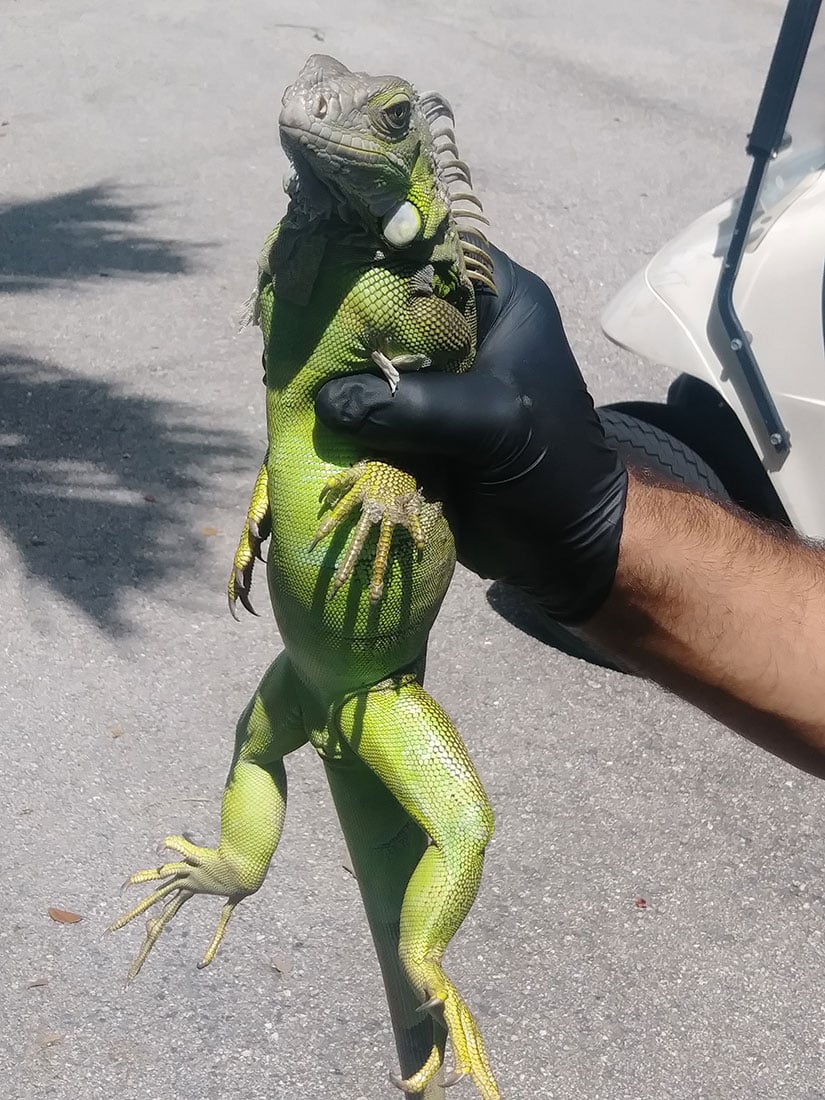
While generally not aggressive towards humans, iguanas are wild animals and should be treated with respect. They can bite if they feel threatened or if they mistake a finger for food. It is advisable to observe them from a distance and never attempt to handle or corner them. Their presence in residential areas, parks, and even near some beachfront resorts can be surprising to visitors unfamiliar with Florida’s unique wildlife.
The Ecological Impact and Management Challenges
The successful establishment of iguana populations in Florida has not been without its consequences. Their herbivorous diet can lead to significant damage to native plants, gardens, and even the structural integrity of some buildings. This has led to ongoing efforts by wildlife management agencies to control their numbers.
Impact on Native Flora and Fauna
Green iguanas, in particular, can consume a wide variety of plants, including the flowers and fruits of native species. This can negatively affect the food sources for native wildlife and alter the composition of plant communities. While they are not direct predators of native animals in a significant way, their competition for food resources and their potential to disturb habitats can have ripple effects throughout the ecosystem.
Infrastructure Damage
The burrowing behavior of some iguana species can also cause damage to infrastructure. They are known to dig burrows in canal banks, seawalls, and even the foundations of buildings, which can compromise their structural integrity and lead to costly repairs. This has been a particular concern in coastal communities and areas with extensive water management systems.
Management Strategies and Regulations
Florida’s wildlife officials have implemented various strategies to manage iguana populations. These include public education campaigns, regulated hunting in some areas, and research into more effective control methods. The state classifies green iguanas as an invasive species, and it is legal for individuals to humanely kill them on private property in most situations, though regulations can vary. The goal is not eradication but rather population control to mitigate ecological and economic damage.
Planning Your Florida Visit with Iguanas in Mind
For travelers planning a trip to Florida, particularly to the southern regions, understanding the presence of iguanas can enhance the overall travel experience. It adds another layer to the exploration of the state’s natural wonders and provides opportunities for unique wildlife encounters.
Best Locations for Iguana Spotting
The southernmost parts of Florida, including Miami-Dade County, Broward County, and the Florida Keys, are prime areas for spotting both green and black spinytail iguanas. Many public parks, nature preserves, and even urban canals in these regions offer excellent viewing opportunities. Exploring areas like Everglades National Park or coastal reserves can yield sightings.
Respectful Observation and Interaction
When encountering iguanas, it is paramount to practice responsible wildlife viewing. Maintain a respectful distance, refrain from feeding them, and never attempt to touch or chase them. This ensures your safety and the well-being of the animals. Remember that you are a visitor in their environment.
Understanding Florida’s Unique Ecosystem
The presence of iguanas is a testament to Florida’s complex and dynamic ecosystem, which is shaped by both native species and introduced ones. Recognizing these introductions and their impacts is a crucial part of understanding the state’s natural history and conservation challenges. It adds a unique dimension to the typical Florida vacation, offering a glimpse into the intricate web of life that exists beyond the beaches and theme parks. For those interested in nature, Florida offers a compelling case study in the realities of biological invasions and the ongoing efforts to maintain ecological balance. The state’s commitment to managing its wildlife, including its non-native reptilian residents, underscores its dedication to preserving its natural heritage for future generations.
LifeOutOfTheBox is a participant in the Amazon Services LLC Associates Program, an affiliate advertising program designed to provide a means for sites to earn advertising fees by advertising and linking to Amazon.com. Amazon, the Amazon logo, AmazonSupply, and the AmazonSupply logo are trademarks of Amazon.com, Inc. or its affiliates. As an Amazon Associate we earn affiliate commissions from qualifying purchases.