
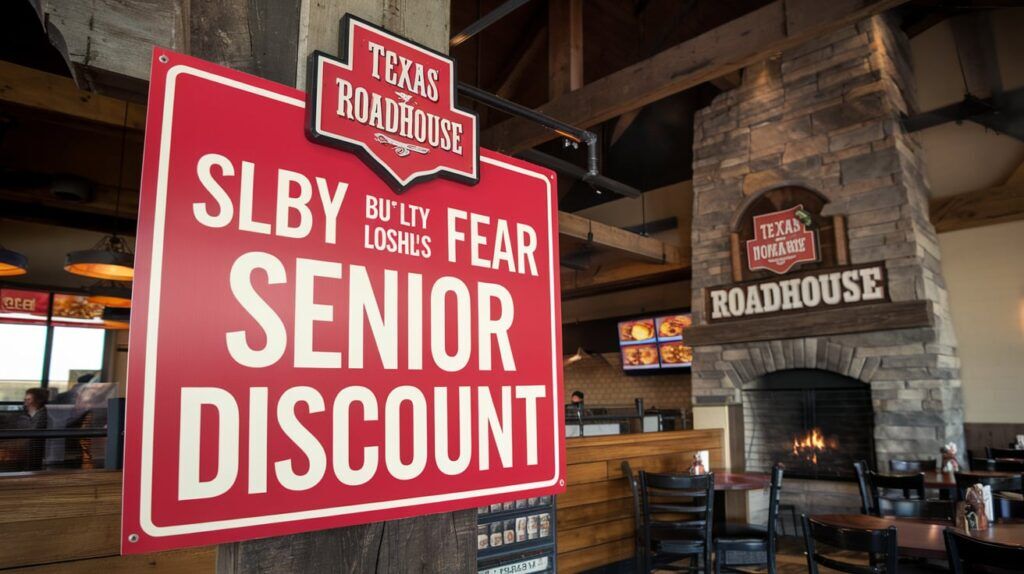
The question of whether popular dining establishments offer special pricing for senior patrons is a frequent one for many travelers and locals alike. Among these, Texas Roadhouse stands out as a beloved American chain known for its lively atmosphere, hand-cut steaks, and generous portions. This inquiry, “Does Texas Roadhouse give senior discounts?” delves into the practicalities of dining out for older adults and explores the broader landscape of senior savings within the restaurant industry, particularly as it pertains to casual dining experiences that often form a part of local tourism and family trips.

While the immediate answer to whether Texas Roadhouse officially offers a sitewide, advertised senior discount is often met with a definitive “no” from the company itself, the reality on the ground can be more nuanced. The restaurant chain primarily focuses on value through its everyday pricing, abundant portions, and frequent promotions rather than tiered discounts based on age. However, this does not necessarily mean that senior diners are entirely without avenues for savings or that their dining experience is not catered to. Understanding the typical operational model of Texas Roadhouse and the broader trends in casual dining can illuminate how seniors can still find value.
This exploration will delve into the common practices of restaurant chains regarding senior discounts, the specific policies and customer experiences at Texas Roadhouse, and alternative strategies seniors might employ to enjoy their meals affordably. This is particularly relevant for those who frequent these establishments as part of their local exploration or while visiting new cities and seeking familiar, comfortable dining options.
Understanding Senior Discounts in Casual Dining
The concept of senior discounts in the restaurant industry has evolved significantly over the years. Historically, many establishments, from independent diners to larger chains, offered a straightforward percentage off the bill or specially priced senior menu items for individuals aged 60 or 65 and older. These discounts were often a way for businesses to attract an older demographic, recognize their patronage, and acknowledge their often fixed incomes.
However, in recent decades, several factors have led to a recalibration of this practice:
- Shifting Demographics and Definitions: The definition of “senior” itself has become more fluid. Many individuals in their late 50s and early 60s are still actively working and may not identify with the traditional concept of a senior citizen, nor do they necessarily require a discount. Conversely, some younger individuals might be eligible based purely on age.
- Focus on Value Pricing: Many casual dining chains, including Texas Roadhouse, have adopted a strategy of offering competitive everyday pricing that aims to provide significant value to all customers. This includes offering abundant portions, complimentary items like bread and peanuts, and frequent promotional deals (e.g., early bird specials, weekday lunch combos, loyalty programs) that can offer savings to a broader customer base, rather than segmenting by age.
- Operational Simplification: Managing and enforcing age-based discounts can add complexity to a restaurant’s point-of-sale systems and staff training. Many chains opt for simpler promotional structures that are easier to implement across all locations.
- Perceived Value: Some businesses feel that offering a generic senior discount might inadvertently devalue their brand or suggest that their regular prices are too high. Instead, they focus on the overall dining experience and perceived value for money.
- Legal and Ethical Considerations: While generally not a primary driver, some businesses may consider the potential for discrimination lawsuits if discount policies are not carefully structured, though this is less common for senior discounts than other protected characteristics.
Therefore, when a restaurant like Texas Roadhouse doesn’t prominently advertise a senior discount, it’s often a reflection of this broader industry trend towards value-driven pricing and simplified promotional strategies that appeal to a wider audience rather than specific age groups.
The Role of Loyalty Programs and Promotions
Even in the absence of a specific senior discount, loyalty programs and general promotions offered by casual dining establishments can provide significant savings. These programs are designed to reward repeat customers and encourage frequent visits, and seniors are just as likely to benefit from them.
- Loyalty Cards and Apps: Many restaurants offer points for every dollar spent, which can be redeemed for discounts or free menu items. Signing up for a Texas Roadhouse loyalty program, for instance, can accumulate rewards over time, effectively reducing the cost of future meals.
- Email and SMS Lists: Subscribing to a restaurant’s newsletter or text alerts often grants access to exclusive deals, birthday offers, and early notifications of special events or menu changes. These can include discounts that are not available to the general public.
- Limited-Time Offers: Restaurants frequently run promotions such as discounted appetizers, special entrée prices on certain days, or bundled meal deals. These can make dining out more affordable for everyone, including seniors.
- Birthday Freebies: A common perk across many restaurant chains is a complimentary dessert or appetizer on a customer’s birthday. This is a straightforward way to add a little extra value to a celebratory meal, regardless of age.
By actively engaging with these broader discount mechanisms, seniors can often achieve savings comparable to, or even exceeding, what a dedicated senior discount might offer. This approach aligns with the modern restaurant’s strategy of rewarding all patrons who demonstrate loyalty.
Texas Roadhouse: Specific Policies and Customer Experiences
Regarding Texas Roadhouse specifically, the company’s official stance and the prevailing customer experiences generally indicate the absence of a formal, advertised senior discount. When direct inquiries are made to Texas Roadhouse locations or through their corporate channels, the typical response is that they do not offer a senior discount program.
This aligns with their business model, which emphasizes providing a high-quality, value-for-money dining experience through other means. Texas Roadhouse is renowned for its complimentary baskets of warm, cinnamon-butter-drenched bread and buckets of peanuts, which are served to all guests upon seating. These items, along with generous portion sizes for their steaks, ribs, and other signature dishes, are intended to be part of the overall value proposition.

Anecdotal Evidence and Manager Discretion
While there’s no official policy, there can be anecdotal instances where local managers might exercise discretion, especially in smaller communities or during slower periods. However, relying on this is unpredictable and not a guaranteed strategy. It’s important to understand that this is not an official practice and should not be expected.
Instead, patrons who are looking for ways to manage their dining costs at Texas Roadhouse should focus on the readily available value-adds and promotional opportunities:
- Lunch Menu: For many diners, especially those on a budget or looking for a smaller portion, the Texas Roadhouse lunch menu offers more affordable options. These items are typically priced lower than their dinner counterparts and still include the signature sides.
- Daily Specials: While not specifically senior-focused, checking the daily specials can reveal opportunities for savings on particular entrees.
- Family Value: Texas Roadhouse is very family-oriented. Traveling families or groups might find that ordering larger shareable appetizers or opting for meals that come with multiple sides can be a cost-effective way to dine.
- Happy Hour: If available at a particular location, Texas Roadhouse often has happy hour specials on appetizers and drinks during weekday afternoons. This can be an opportune time for seniors to enjoy a meal at a reduced cost.
Ultimately, the absence of a formal senior discount at Texas Roadhouse should not deter seniors from enjoying the restaurant. Their strategy is to provide excellent value through abundant food and a fun atmosphere for everyone.
Alternatives and Strategies for Senior Dining Savings
Given that many popular casual dining chains, including Texas Roadhouse, may not offer explicit senior discounts, it’s beneficial for older adults and budget-conscious travelers to have a broader strategy for finding savings when dining out. This approach not only applies to Texas Roadhouse but can be implemented across various dining establishments in different locales they might visit.
Exploring Early Bird Specials and Off-Peak Dining
One of the most traditional and effective ways for seniors to save money at restaurants is by taking advantage of “early bird” specials. Many restaurants, particularly those that cater to a broader clientele that includes older adults, offer discounted menus or prix fixe options during typically slower hours, often in the late afternoon (e.g., 4 PM to 6 PM) on weekdays.
- Timing is Key: Dining before the main dinner rush means fewer crowds, often quicker service, and access to special pricing that might not be advertised during peak hours. This is a particularly appealing strategy for seniors who may prefer a quieter dining environment anyway.
- Local Research: For travelers exploring a new city, a quick online search for “[city name] early bird specials” or “[city name] senior dining deals” can yield promising results. Local tourism websites or community forums can also be good sources of information.
Leveraging Restaurant Apps and Online Coupons
In the digital age, many restaurants have shifted their promotional efforts to online platforms. Seniors who are comfortable using smartphones or computers can unlock significant savings.
- Official Restaurant Apps: Downloading the official app for a restaurant chain often comes with an immediate sign-up bonus and ongoing access to exclusive deals, mobile coupons, and loyalty program integration. For example, if a traveler is visiting a city like Orlando or Las Vegas, checking the apps for their preferred casual dining spots can reveal hidden savings.
- Coupon Websites and Apps: Numerous third-party websites and apps aggregate restaurant coupons and deals. While caution should be exercised regarding the validity and expiration dates of these offers, they can be a treasure trove for finding discounts at various establishments.
- Social Media Promotions: Following favorite restaurants on social media platforms like Facebook or Instagram can alert diners to flash sales, special event discounts, or contests.
Considering Restaurant-Type Alternatives
Beyond traditional sit-down restaurants, seniors might find value in exploring other dining formats that are inherently more budget-friendly or offer different types of value.
- Casual Cafes and Diners: Independent cafes and local diners often have lower price points than larger chains and may be more inclined to offer small discounts to loyal, long-term customers or those who dine during off-peak hours.
- Buffets and Salad Bars: For those who enjoy variety and portion control, buffet-style restaurants or establishments with extensive salad bars can be a cost-effective option, allowing diners to sample multiple dishes at a set price.
- Takeout and Delivery Deals: Many restaurants offer special pricing for takeout orders or through third-party delivery services, especially during off-peak times or for specific meal bundles. This can be a convenient and cost-saving option for seniors who prefer to dine in the comfort of their hotel or vacation rental.
By adopting a proactive and adaptable approach to dining out, seniors can continue to enjoy the culinary experiences offered by establishments like Texas Roadhouse and explore the diverse food landscapes of various destinations without overspending. The focus shifts from a specific age-based discount to a broader understanding of value, timing, and digital promotional opportunities.
LifeOutOfTheBox is a participant in the Amazon Services LLC Associates Program, an affiliate advertising program designed to provide a means for sites to earn advertising fees by advertising and linking to Amazon.com. Amazon, the Amazon logo, AmazonSupply, and the AmazonSupply logo are trademarks of Amazon.com, Inc. or its affiliates. As an Amazon Associate we earn affiliate commissions from qualifying purchases.