
Coral Springs, a vibrant and well-planned city, is a prominent fixture in the southeastern landscape of Florida. Nestled within the sprawling metropolitan area of South Florida, it offers a compelling blend of suburban charm and urban convenience. Understanding its precise geographical positioning is key for anyone considering a visit, relocation, or simply seeking to comprehend the dynamic tapestry of this popular region. Its strategic location makes it an attractive base for exploring the wider wonders of the Sunshine State.
Southeastern Florida’s Geographic Context
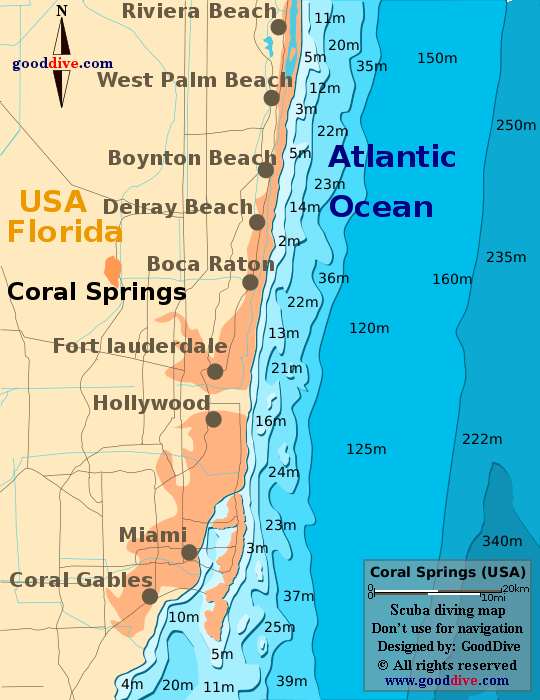
To accurately pinpoint Coral Springs‘ location, one must first appreciate its placement within the broader context of Southeastern Florida. This region is characterized by its coastal proximity, tropical climate, and dense population centers. Coral Springs sits inland from the Atlantic coast, yet remains deeply connected to the economic and cultural currents that flow through this energetic part of the state. Its development is intrinsically linked to the growth of the larger Miami metropolitan area, of which it is a significant component.
Proximity to Major Metropolitan Hubs
Coral Springs is situated in Broward County, one of the most populous counties in Florida. This county is a crucial nexus within the tri-county area, which also includes Miami-Dade County to the south and Palm Beach County to the north. This positioning places Coral Springs within easy reach of major urban centers, offering its residents and visitors direct access to world-class amenities and diverse attractions.
-
Miami: A mere short drive south connects Coral Springs to the pulsating heart of Miami. This proximity allows for convenient day trips to explore the iconic beaches of South Beach, the vibrant art scene in Wynwood, the historic architecture of the Art Deco Historic District, and the diverse culinary offerings that define Miami‘s global reputation. The cultural exchange and economic ties between Coral Springs and Miami are substantial, making it a vital part of the larger urban ecosystem.
-
Fort Lauderdale: To the southeast lies Fort Lauderdale, often referred to as the “Venice of America” for its extensive network of canals and waterways. Coral Springs‘ proximity to Fort Lauderdale means residents can easily enjoy its famous beaches, the bustling Las Olas Boulevard with its upscale boutiques and restaurants, and the numerous boating and water-based activities that are central to the city’s identity. Fort Lauderdale-Hollywood International Airport is also a major gateway for both domestic and international travel, easily accessible from Coral Springs.
-
West Palm Beach: Further north, West Palm Beach offers a more relaxed, yet equally sophisticated, atmosphere. The connection to West Palm Beach allows for exploration of its burgeoning arts district, the luxurious shopping on Worth Avenue in neighboring Palm Beach, and the natural beauty of the Palm Beach Inlet. The access to these different urban experiences highlights the strategic advantage of Coral Springs‘ location.
Relationship to Coastal Areas and the Atlantic Ocean
While Coral Springs is not directly on the coast, its inland positioning is a defining characteristic that contributes to its unique character. It is located approximately 15-20 miles west of the Atlantic Ocean. This distance provides a buffer from the direct impact of coastal weather phenomena while still allowing for relatively quick and easy access to the numerous beaches that define the Florida coast.
-
Beach Access: Residents and visitors can typically reach popular beaches such as Fort Lauderdale Beach, Pompano Beach, and Deerfield Beach within a 30-45 minute drive. This accessibility ensures that the allure of the ocean – sunbathing, swimming, water sports, and seaside dining – remains a readily available amenity.
-
Inland Advantage: The inland location offers some distinct advantages. It often translates to a quieter residential environment compared to direct beachfront communities. Furthermore, it can sometimes provide a slight reprieve from the most intense humidity and the direct force of coastal storms, although South Florida remains susceptible to tropical weather systems regardless of exact location. This balance between coastal access and a more serene environment is a key appeal of Coral Springs.
Navigating to and Within Coral Springs
Understanding how to reach Coral Springs and navigate its internal network is crucial for any visitor or newcomer. Its well-developed infrastructure, including major roadways and proximity to international airports, makes it a relatively accessible destination within Florida.
Major Roadways and Transportation Networks
Coral Springs is strategically situated with excellent connectivity to Florida‘s extensive highway system, facilitating travel both within the state and beyond.
-
Sawgrass Expressway (State Road 869): This is a critical artery for Coral Springs, serving as a major toll road that runs east-west through the northern part of Broward County. It provides convenient access to the Turnpike and to I-95, linking Coral Springs to other major cities and attractions.
-
Florida’s Turnpike: This major north-south toll road runs just west of Coral Springs, offering direct routes to Orlando and Central Florida, as well as further south towards Miami. Access points to the Turnpike are readily available from the Sawgrass Expressway.
-
Interstate 95 (I-95): While slightly further east, I-95 is the primary north-south interstate highway on the east coast of Florida. It connects Miami, Fort Lauderdale, West Palm Beach, and extends all the way up the eastern seaboard of the United States. Accessing I-95 from Coral Springs is straightforward via connecting roads and expressways.
-
U.S. Route 441 (State Road 7): This is a major north-south highway that runs through the heart of Coral Springs, offering a more local and scenic route that passes through many commercial and residential areas.
-
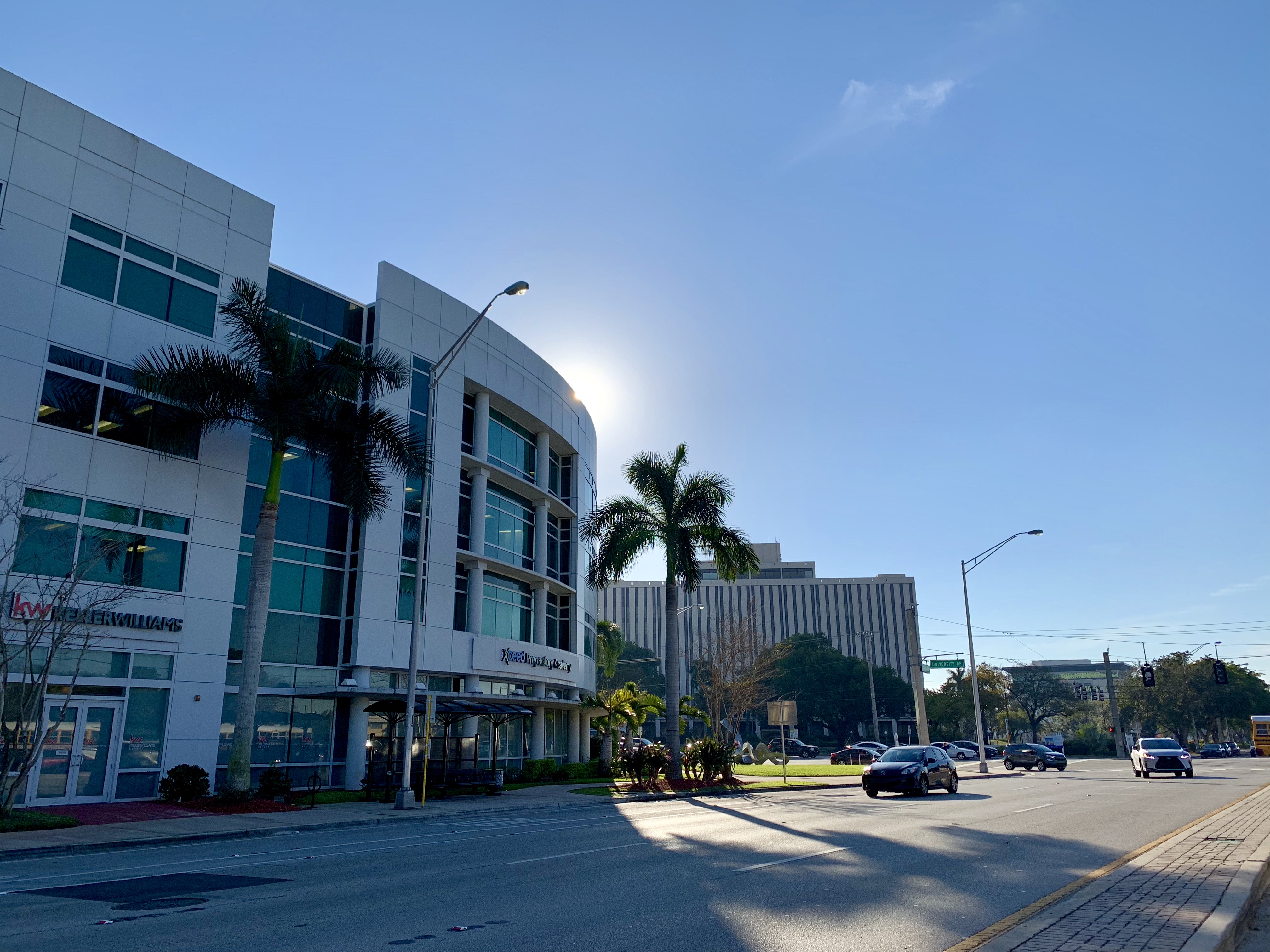
Local Roadways: Within Coral Springs itself, a grid-like street system, coupled with larger arterial roads such as Sample Road, Royal Palm Boulevard, and University Drive, makes local navigation straightforward. The city is known for its well-maintained roads and thoughtful urban planning, which contributes to efficient traffic flow.
Proximity to Major Airports
The accessibility of Coral Springs is significantly enhanced by its proximity to several major international airports, making it an easy destination to reach from virtually anywhere in the world.
-
Fort Lauderdale-Hollywood International Airport (FLL): Located approximately 20-30 miles southeast of Coral Springs, FLL is the closest major airport. It serves numerous domestic and international carriers, offering a wide range of flight options. The drive from FLL to Coral Springs is typically around 30-45 minutes, depending on traffic.
-
Miami International Airport (MIA): Situated about 30-40 miles south, MIA is a major international hub, particularly for flights to and from Latin America and the Caribbean, as well as extensive domestic service. The travel time from MIA to Coral Springs is usually between 45 minutes to an hour, again, subject to traffic conditions.
-
Palm Beach International Airport (PBI): Located approximately 40-50 miles north, PBI offers another convenient option, especially for those traveling from or to the northern parts of South Florida or certain domestic destinations. The drive from PBI to Coral Springs typically takes about an hour.
The availability of these three major airports underscores the connectivity and ease of access that Coral Springs provides, further solidifying its position as a desirable location within the Florida travel and residential landscape.
Understanding the Local Landscape and Environment
Beyond its geographical coordinates and transportation links, the physical landscape and environmental characteristics of Coral Springs contribute significantly to its identity and appeal. Its development was planned with a focus on integrating natural beauty with urban living.
Topography and Natural Features
Coral Springs is situated in the Atlantic Coastal Plain region of Florida. The topography is generally flat, which is characteristic of much of coastal Florida. While there are no significant natural hills or mountains, the city’s planners have incorporated numerous parks, waterways, and green spaces to enhance its aesthetic appeal and provide recreational opportunities.
-
Waterways and Drainage: Like much of South Florida, Coral Springs features an extensive network of canals and water retention areas. These are essential for managing the area’s high water table and managing rainfall, especially during the tropical wet season. These waterways are often lined with lush vegetation, adding to the scenic beauty of residential areas.
-
Vegetation and Climate: The climate is tropical monsoon, characterized by hot, humid summers and warm, dry winters. This allows for a rich diversity of subtropical vegetation. Mature trees, including palms, oaks, and various flowering species, are abundant throughout the city, contributing to its reputation as a verdant and shaded community. This abundant greenery plays a vital role in the city’s aesthetic and the quality of life for its residents.

Parks and Recreational Areas
A hallmark of Coral Springs‘ urban planning is its commitment to providing ample green space and recreational facilities. The city boasts a comprehensive park system, offering residents and visitors a variety of outdoor activities.
-
Coral Springs Sportsplex: This expansive facility is a hub for athletic activities, featuring sports fields, courts, and an ice skating center. It frequently hosts local and regional sporting events, drawing visitors from across South Florida.
-
Tallahassee State Park: While the name might suggest a different location, it’s a common point of confusion; however, Coral Springs has numerous local parks. Whispering Woods Park and Babe Sonken Memorial Park are examples of well-maintained local parks offering playgrounds, picnic areas, and walking trails. These spaces are integral to the community’s outdoor lifestyle.
-
Lake Coral Springs: This central body of water serves as a focal point for some recreational activities and contributes to the city’s visual appeal. Its surrounding areas offer walking paths and scenic views.
The deliberate integration of natural elements and accessible recreational spaces within its urban framework is a key factor in Coral Springs‘ enduring popularity and its reputation as a family-friendly and enjoyable place to live and visit. Its location in Broward County, within the vibrant South Florida region, offers a unique blend of accessibility, natural beauty, and urban amenities.
LifeOutOfTheBox is a participant in the Amazon Services LLC Associates Program, an affiliate advertising program designed to provide a means for sites to earn advertising fees by advertising and linking to Amazon.com. Amazon, the Amazon logo, AmazonSupply, and the AmazonSupply logo are trademarks of Amazon.com, Inc. or its affiliates. As an Amazon Associate we earn affiliate commissions from qualifying purchases.