
Unpacking the Culinary Gem for Travelers
For the discerning traveler, culinary exploration often stands at the forefront of any journey. Beyond scenic vistas and historical landmarks, the very essence of a destination can be savored through its food. Among the pantheon of meats, the pork Boston butt roast holds a particularly significant, albeit often misunderstood, place in global gastronomy, especially within the context of American food culture. While its name might evoke images of a specific locale, its culinary reach and versatility extend far beyond the city of Boston, making it a fascinating subject for any food-focused tourist. Understanding this cut is not merely about identifying a piece of meat; it’s about unlocking a world of delicious traditions, regional specialties, and unforgettable eating experiences that are central to tourism.

Beyond the Name: Understanding the Cut
Despite its somewhat misleading moniker, the pork Boston butt is not sourced from the hindquarters of a pig, nor is its origin exclusively tied to Boston. In butchery terms, the “butt” actually refers to the upper part of the pig’s shoulder, an area encompassing the shoulder blade bone, a portion of the neck bone, and a good amount of muscle, fat, and connective tissue. Historically, in colonial New England, less prized cuts of pork were packed into barrels, known as “butts,” for storage and transport. This practice likely led to the popular cut becoming known as the “Boston butt,” as it was a common export from the Boston area.
What makes this cut a culinary marvel, particularly for slow-cooking methods, is its unique composition. It boasts a rich marbling of intramuscular fat, combined with a significant amount of connective tissue. When subjected to low and slow heat, this fat renders beautifully, basting the meat from within, while the tough collagen breaks down into gelatin. The result is an incredibly tender, succulent, and flavor-packed piece of pork that can be easily pulled apart, making it the quintessential choice for dishes where melting tenderness is paramount. For travelers seeking authentic, hearty meals that tell a story of culinary heritage, the Boston butt is an ingredient that promises deeply satisfying experiences.
A Staple in Regional Gastronomy
The Boston butt’s inherent qualities have cemented its status as a cornerstone in numerous regional cuisines, particularly across the United States. Its adaptability makes it suitable for a wide array of cooking techniques, from smoking and braising to roasting and stewing. This versatility means that a traveler might encounter the Boston butt transformed into distinctly different dishes depending on their destination, each preparation a reflection of local culinary practices and flavors. From the smoky barbecue pits of the Southern United States to the vibrant street food scenes of other nations, this cut of pork acts as a foundational element, providing an anchor to regional identity. For the adventurous eater, tracing the various culinary expressions of the Boston butt can become a compelling theme for an entire travel itinerary, offering a delicious lens through which to explore diverse cultures and traditions.
The Boston Butt’s Journey Through American Food Tourism
The United States offers perhaps the most diverse and celebrated showcase of the pork Boston butt’s culinary potential. Its role in shaping distinct regional food identities is undeniable, making it a critical focus for anyone embarking on a gastronomic tour. From the slow-smoked perfection of Southern barbecue to the vibrant stews of the Northeast, the Boston butt defines flavor profiles and dining experiences that are sought after by millions of tourists annually.
Southern Barbecue’s Signature Ingredient
Nowhere is the Boston butt more revered than in the barbecue traditions of the Southern United States. It is the undisputed champion for creating “pulled pork,” a dish so iconic it has become synonymous with American comfort food. In states like North Carolina, South Carolina, Tennessee (especially Memphis), and Texas, the Boston butt is typically rubbed with a proprietary blend of spices, then smoked for many hours over hardwoods like hickory or oak until it reaches a state of sublime tenderness, allowing the meat to be easily shredded.
Travelers venturing into these regions often plan their routes around legendary barbecue joints, seeking to taste the nuanced differences in smoking techniques, rub compositions, and regional sauces. For instance, the vinegary tang of Eastern North Carolina barbecue sauce provides a stark contrast to the sweet, tomato-based sauces found in Kansas City or Memphis. Experiencing these variations firsthand is not just about eating; it’s an immersive cultural activity, offering insights into local history, community, and the passionate artistry of pitmasters who dedicate their lives to perfecting this craft. Many barbecue festivals, such as the Memphis in May World Championship Barbecue Cooking Contest, draw international crowds, making the Boston butt a direct driver of tourism.
Versatility Across US Regional Cuisines
While barbecue is its most famous application, the Boston butt’s adaptability ensures its presence in a diverse tapestry of other American regional dishes, each offering a distinct culinary experience for the traveler.
In the Southwest and areas with strong Latin American influences, particularly in states like California and Texas, the Boston butt is the preferred cut for authentic carnitas. Here, chunks of the pork are slowly braised in lard (or sometimes oil and citrus) until incredibly tender, then often fried until crispy on the outside. Carnitas are a popular filling for tacos, burritos, and tortas, representing a vibrant segment of food tourism where travelers can explore bustling mercados and family-owned taquerias. The rich, savory, and sometimes citrusy flavors of well-prepared carnitas are a revelation, offering a taste of Mexico’s culinary influence within the United States.
Moving to the Northeast and parts of the Caribbean-influenced communities in cities like New York and Miami, the Boston butt is often transformed into pernil. This dish, particularly cherished in Puerto Rican and Dominican cuisine, involves marinating the pork shoulder overnight in a potent blend of garlic, oregano, cumin, and sour orange, then slow-roasting it until the skin is crackling crisp (chicharrón) and the meat is fall-apart tender. Pernil is a festive dish, often served at holidays and gatherings, and finding an authentic version in a local eatery or community festival provides a rich cultural experience for the tourist.
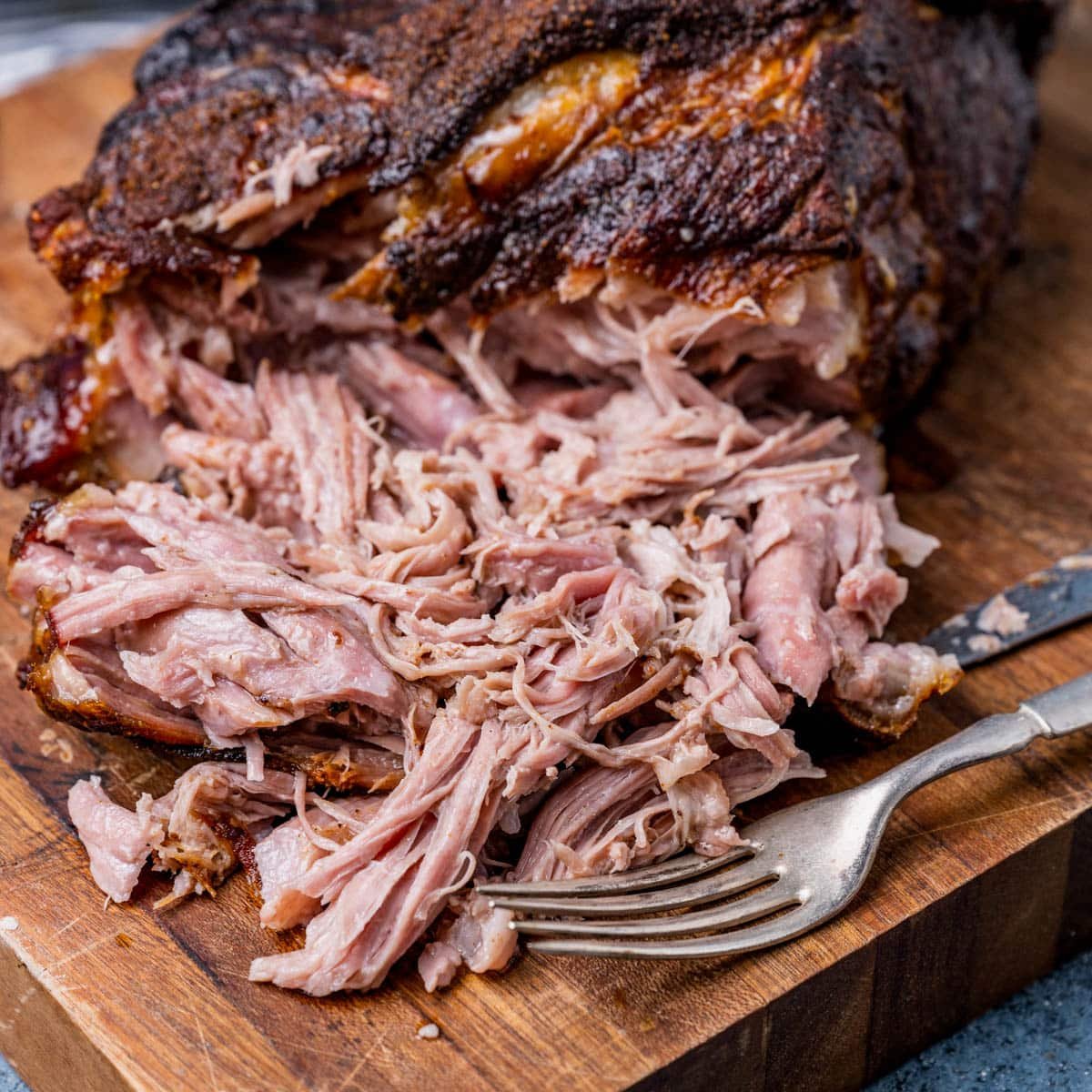
The Boston butt’s presence in these diverse culinary traditions underscores its importance not just as an ingredient, but as a cultural signifier, leading travelers to unique and memorable food experiences across the vast landscape of American regional gastronomy.
Experiencing the Boston Butt: A Tourist’s Guide to Culinary Delights
For travelers eager to delve into the delicious world of the Boston butt, the opportunities extend beyond merely tasting the final product. Engaging with the preparation, history, and cultural significance of this cut can enrich any travel experience, transforming a simple meal into a profound culinary journey.
Seeking Out Authentic Eateries
The first and most direct way for a tourist to experience the Boston butt is by visiting establishments renowned for their expertise in preparing it. This might mean seeking out a no-frills barbecue shack in the heart of Texas, where the smoky aroma permeates the air, or a bustling Mexican restaurant in Los Angeles known for its perfectly crispy carnitas. Researching local recommendations, reading food blogs, and asking locals for their favorite spots are invaluable strategies. These authentic eateries often provide more than just food; they offer a glimpse into the community’s heart and soul, where recipes have been passed down through generations and dining is a shared, communal experience. Look for places where the emphasis is on slow cooking, quality ingredients, and a palpable passion for the craft, as these are the hallmarks of a truly memorable Boston butt experience.
Engaging in Food Festivals and Events
Food festivals are a vibrant cornerstone of culinary tourism, and many across the United States and beyond celebrate the pig, with the Boston butt often taking center stage. Events like the Memphis in May World Championship Barbecue Cooking Contest, numerous “Pork & Brew” festivals, or regional carnitas competitions offer tourists an unparalleled opportunity to sample a wide array of Boston butt preparations from various vendors and pitmasters. These festivals are not just about eating; they are lively cultural events featuring music, entertainment, and a palpable sense of community spirit. They provide an educational experience, allowing visitors to witness different cooking techniques, understand regional variations, and engage directly with the passionate artisans behind the food. Such events are perfect for travelers who want to immerse themselves fully in the local food scene and experience the Boston butt in a celebratory, convivial atmosphere.
Culinary Workshops: Mastering the Art of the Roast
For the truly hands-on traveler, engaging in a culinary workshop or cooking class offers an insightful and rewarding way to connect with the Boston butt. Many destinations, particularly those known for their barbecue or Latin American cuisine, offer classes focused on mastering the art of smoking pulled pork, preparing authentic carnitas, or slow-roasting pernil. These workshops go beyond mere tasting, providing practical skills, historical context, and an understanding of the intricate techniques involved. Learning to select the right cut, apply a perfect rub, manage a smoker, or braise pork to tender perfection can be a highlight of a culinary trip. It fosters a deeper appreciation for the effort and expertise required, and perhaps even inspires travelers to recreate these dishes in their own kitchens, extending the travel experience long after the journey ends. Such interactive experiences solidify food as a powerful medium for cultural exchange and personal enrichment.
The Global Appeal: Boston Butt’s Influence on International Palates
While the Boston butt’s name and its most famous applications are heavily rooted in American culinary traditions, its qualities have naturally transcended borders, finding a place in various international cuisines. The principles of slow-cooking a tough but flavorful cut of pork to achieve tenderness and richness are universal, making the Boston butt a favored choice for similar preparations worldwide. This global appeal highlights food as a universal language and a significant draw for tourism.
Bridging Cultures Through Shared Flavors
Beyond the United States, variations of slow-roasted pork shoulder are culinary staples. In countries like Mexico, the aforementioned carnitas are a national treasure. In the Caribbean islands, particularly Cuba, Puerto Rico, and the Dominican Republic, slow-roasted pernil is central to festive meals. China has its char siu (barbecue pork), often made from a similar shoulder cut, albeit with a distinct sweet and savory marinade. Even in Europe, particularly in regions with strong pork traditions, slow-cooked pork shoulder dishes abound, from German schweinshaxe to Irish pork roasts.
For international travelers, discovering how different cultures adapt and transform this versatile cut can be an enlightening experience. It demonstrates how a common ingredient can serve as a canvas for a myriad of distinct flavors and cooking philosophies. Exploring these global parallels and variations fosters an appreciation for the interconnectedness of food cultures and enriches the understanding of local culinary identity.
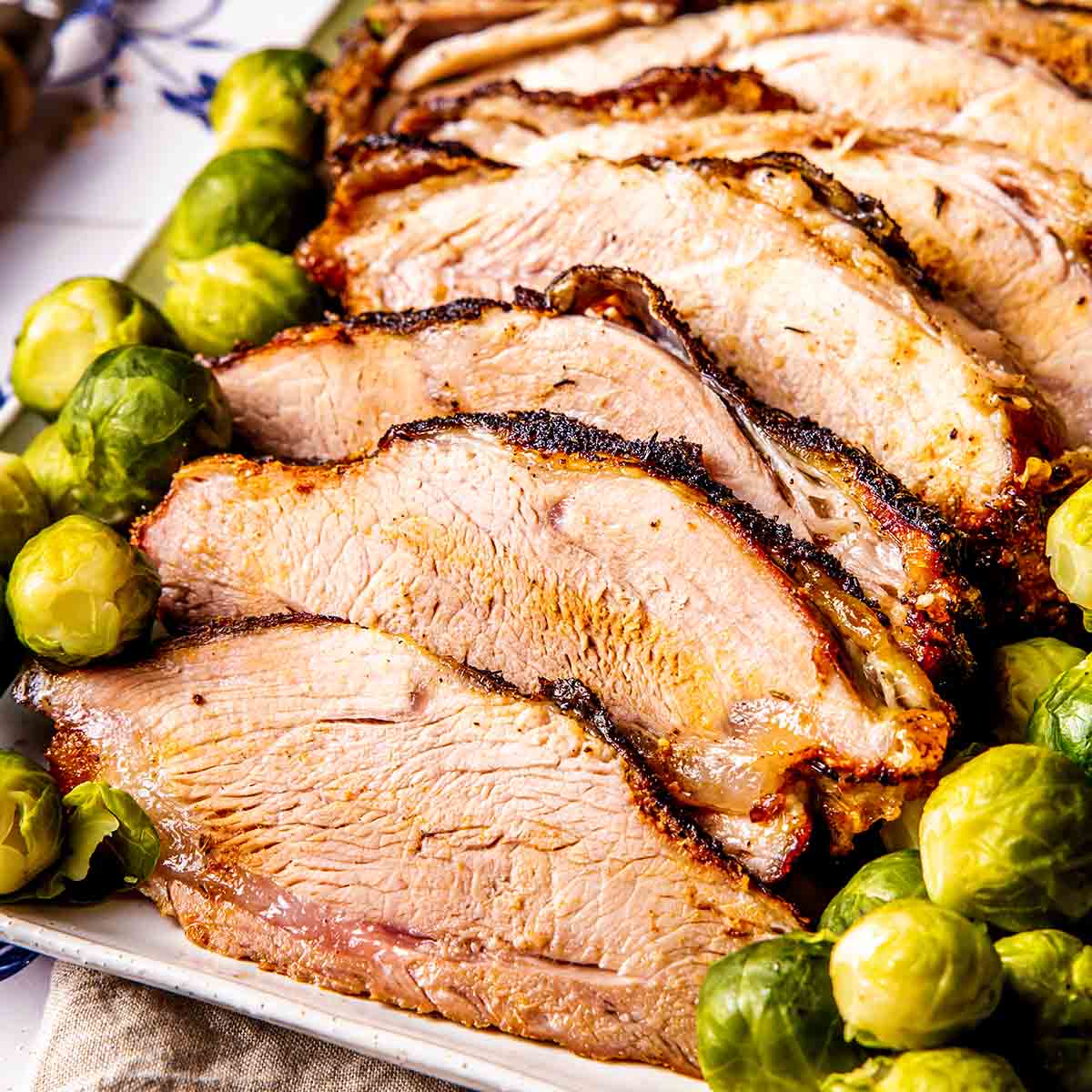
From Local Delicacy to International Sensation
The rise of global food trends and the increasing popularity of authentic ethnic cuisines in major metropolitan areas mean that dishes based on the Boston butt, such as pulled pork and carnitas, are no longer confined to their regions of origin. They have become international sensations, featured in restaurants from London to Sydney, often interpreted with local twists. This phenomenon creates new avenues for tourism, as travelers might seek out these “authentic” global interpretations or even travel to the source to experience the original.
The pork Boston butt roast, therefore, is far more than just a cut of meat. It is a potent symbol of culinary tradition, a driver of regional identity, and an indispensable element in the tapestry of food tourism. For any traveler with a passion for gastronomy, understanding and experiencing the Boston butt offers a delicious and insightful journey into the heart of various cultures, one succulent bite at a time.
LifeOutOfTheBox is a participant in the Amazon Services LLC Associates Program, an affiliate advertising program designed to provide a means for sites to earn advertising fees by advertising and linking to Amazon.com. Amazon, the Amazon logo, AmazonSupply, and the AmazonSupply logo are trademarks of Amazon.com, Inc. or its affiliates. As an Amazon Associate we earn affiliate commissions from qualifying purchases.