
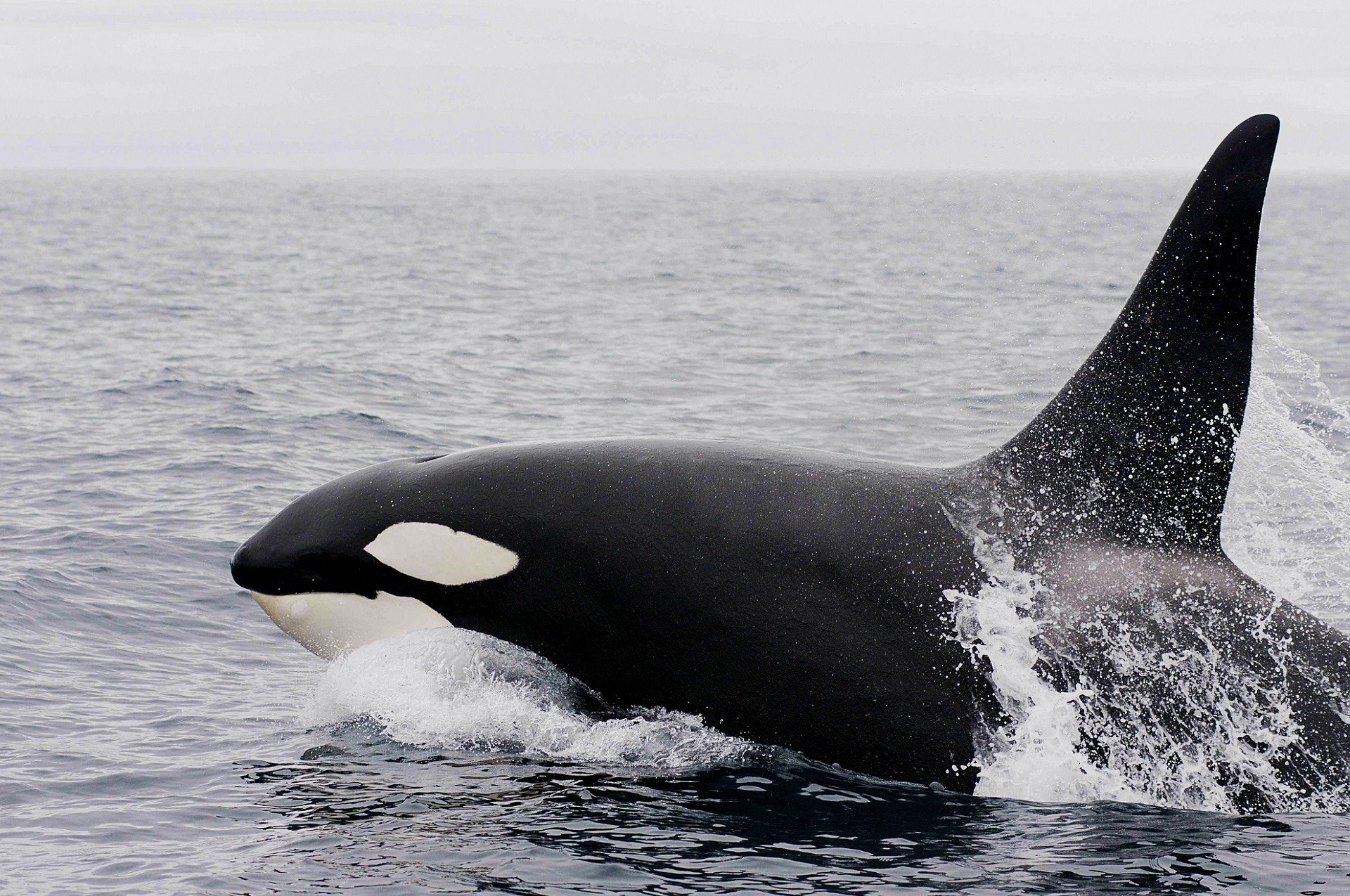
While the image of orcas, or killer whales, might immediately conjure up visions of the icy waters of the Pacific Northwest or the frigid Arctic, the question of their presence in the warmer climes of Florida is a fascinating one that delves into the complexities of marine mammal distribution and the dynamic nature of ocean ecosystems. The short answer is that while resident populations of orcas are not found in Florida waters, occasional sightings do occur, making them a rare and exciting, albeit temporary, phenomenon for those fortunate enough to witness them. Understanding why they might appear, and what that signifies for the marine environment, is key to appreciating these magnificent creatures.

Understanding Orca Habitat and Distribution
Orcas, scientifically known as Orcinus orca, are the apex predators of the ocean, renowned for their intelligence, complex social structures, and remarkable adaptability. Their global distribution is vast, spanning every ocean on Earth, from the polar regions to the tropics. However, their presence in specific areas is heavily influenced by several critical factors:
Food Availability
The primary driver of orca distribution is the availability of prey. Different populations, or “ecotypes,” of orcas have specialized diets. Some primarily hunt fish, such as salmon or herring, while others are mammal hunters, targeting seals, sea lions, dolphins, and even other whales. The waters off Florida, while teeming with diverse marine life, do not typically support the consistent abundance of these preferred prey species in the quantities that would sustain a permanent orca population. The fisheries that support large marine mammal populations, like those in the northern Pacific, are simply not mirrored in the Atlantic off the coast of Florida.
Water Temperature and Salinity
While orcas are found in a wide range of temperatures, many populations are associated with cooler, productive waters. The warmer, more tropical waters of Florida, while suitable for a variety of marine life, are not the optimal habitat for the ecotypes most commonly sighted in North America. These warmer waters do support a rich diversity of fish and other marine animals, but the specific prey densities and types may not be sufficient for a resident orca presence.
Migration Patterns and Accidental Encounters
The most likely explanation for orca sightings in Florida waters involves migratory individuals or accidental deviations from their typical routes. Orcas are highly migratory animals, following their food sources and engaging in complex seasonal movements. It is plausible that an orca, or a small group of orcas, might venture into the Atlantic off the southeastern United States while following migratory prey, such as certain species of whales or large schools of fish. These excursions are typically temporary, with the animals returning to more familiar waters once their immediate needs are met or if they realize they have strayed too far from their usual territories.
Documented Orca Sightings in Florida
While not a regular occurrence, there have been documented instances of orcas being sighted in Florida waters. These events are often met with considerable excitement and are typically reported by marine biologists, fishermen, and fortunate recreational boaters.
Notable Encounters

One of the most well-known and scientifically significant sightings occurred in October 2021 when a lone orca, nicknamed “Kiki” by researchers, was spotted off the coast of Florida Keys, specifically near Marathon. This individual was observed for several days, allowing marine biologists to gather valuable data. The orca appeared to be in good health and was observed feeding on fish. This sighting generated considerable interest, as it was an unusual occurrence for a lone orca to be in these waters for an extended period.
Another sighting was reported in January 2023 off the coast of St. Augustine, where a pod of three orcas was seen. These events, while rare, highlight the dynamic nature of marine ecosystems and the expansive movements these intelligent animals are capable of. These sightings are crucial for scientific research, providing insights into the migratory behavior and potential dietary shifts of orcas.
Scientific Significance of Sightings
Each orca sighting in Florida waters is a valuable data point for marine scientists. Researchers from institutions like the National Oceanic and Atmospheric Administration (NOAA) and local universities often investigate these encounters to:
- Determine the ecotype of the orca: By analyzing any available photographs or video footage, scientists can attempt to identify the specific population or ecotype the animal belongs to, which can provide clues about its usual range and diet.
- Assess the individual’s health: Observing the animal’s behavior and physical condition can reveal whether it is healthy or potentially in distress.
- Document prey items: If the orca is seen feeding, researchers can identify its prey, which offers insights into the local food web.
- Understand migratory patterns: The fact that an orca has ventured into Florida waters contributes to our understanding of their migratory routes and the potential range expansion of certain populations.
These rare events serve as important reminders of how interconnected ocean environments are and how much there is still to learn about the life of these magnificent marine mammals.
What to Do If You Spot an Orca in Florida
For the rare lucky individual who encounters an orca off the coast of Florida, responsible behavior is paramount to ensure both the safety of the animal and the observer.
Safety and Best Practices
- Maintain a safe distance: Orcas are wild animals. It is crucial to keep a significant distance (at least 100 yards or 91 meters) to avoid disturbing them. Do not chase, harass, or crowd the animal.
- Observe from a stable platform: If you are on a boat, maintain a steady course and speed. Avoid sudden movements or loud noises that could startle the animal.
- Do not feed the orca: Feeding wild marine mammals is not only dangerous for the animal (leading to habituation and potential health issues) but is also illegal under the Marine Mammal Protection Act.
- Limit your observation time: While exciting, prolonged observation can still cause stress to the animal. Short, respectful viewing periods are best.
- Report your sighting: If you see an orca, especially in an unusual location like Florida, report it to the appropriate authorities. This includes NOAA Fisheries or local marine stranding networks. Providing details about the date, time, location, number of animals, and any observed behavior is invaluable for scientific research.
Reporting a Sighting
Reporting a sighting is a crucial step in contributing to the scientific understanding of these animals. Here’s how you can do it:
- NOAA Fisheries: You can report sightings to NOAA Fisheries by calling their stranding hotline or using their online reporting system. This is the primary federal agency responsible for marine mammal protection and research in the United States.
- Local Marine Mammal Stranding Networks: Many coastal states have dedicated stranding networks that are equipped to respond to distressed or unusual marine mammal situations. Contacting these local organizations can also be beneficial.
- Provide detailed information: When reporting, include:
- Date and time of the sighting.
- Exact location (latitude and longitude if possible, or nearest landmark).
- Number of orcas and any distinguishing features.
- Behavior observed (e.g., feeding, traveling, breaching).
- Photographs or videos, if safely obtained.
By following these guidelines, you can help ensure that these rare and majestic encounters contribute positively to marine conservation efforts and our understanding of the ocean’s inhabitants. The presence of orcas in Florida, though infrequent, serves as a thrilling reminder of the vast, interconnected, and sometimes surprising world that lies beneath the waves.
LifeOutOfTheBox is a participant in the Amazon Services LLC Associates Program, an affiliate advertising program designed to provide a means for sites to earn advertising fees by advertising and linking to Amazon.com. Amazon, the Amazon logo, AmazonSupply, and the AmazonSupply logo are trademarks of Amazon.com, Inc. or its affiliates. As an Amazon Associate we earn affiliate commissions from qualifying purchases.