
Florida, often envisioned as a sun-drenched paradise of sandy beaches and vibrant cities like Miami and Orlando, is a premier travel destination for millions. Its allure lies in its warm climate, diverse attractions, and extensive coastline. However, for any discerning traveler, understanding the potential natural risks associated with a destination is paramount. One such concern that occasionally surfaces is the possibility of tsunamis impacting the Sunshine State. This article delves into the geological and oceanic factors that shape Florida’s vulnerability, offering insights for travelers planning their next visit.
Understanding Tsunami Formation
Before examining Florida specifically, it’s crucial to grasp how tsunamis are generated. Tsunamis are not tidal waves, a common misconception. Instead, they are a series of extremely large waves caused by a sudden, large-scale displacement of a body of water, most commonly an ocean.
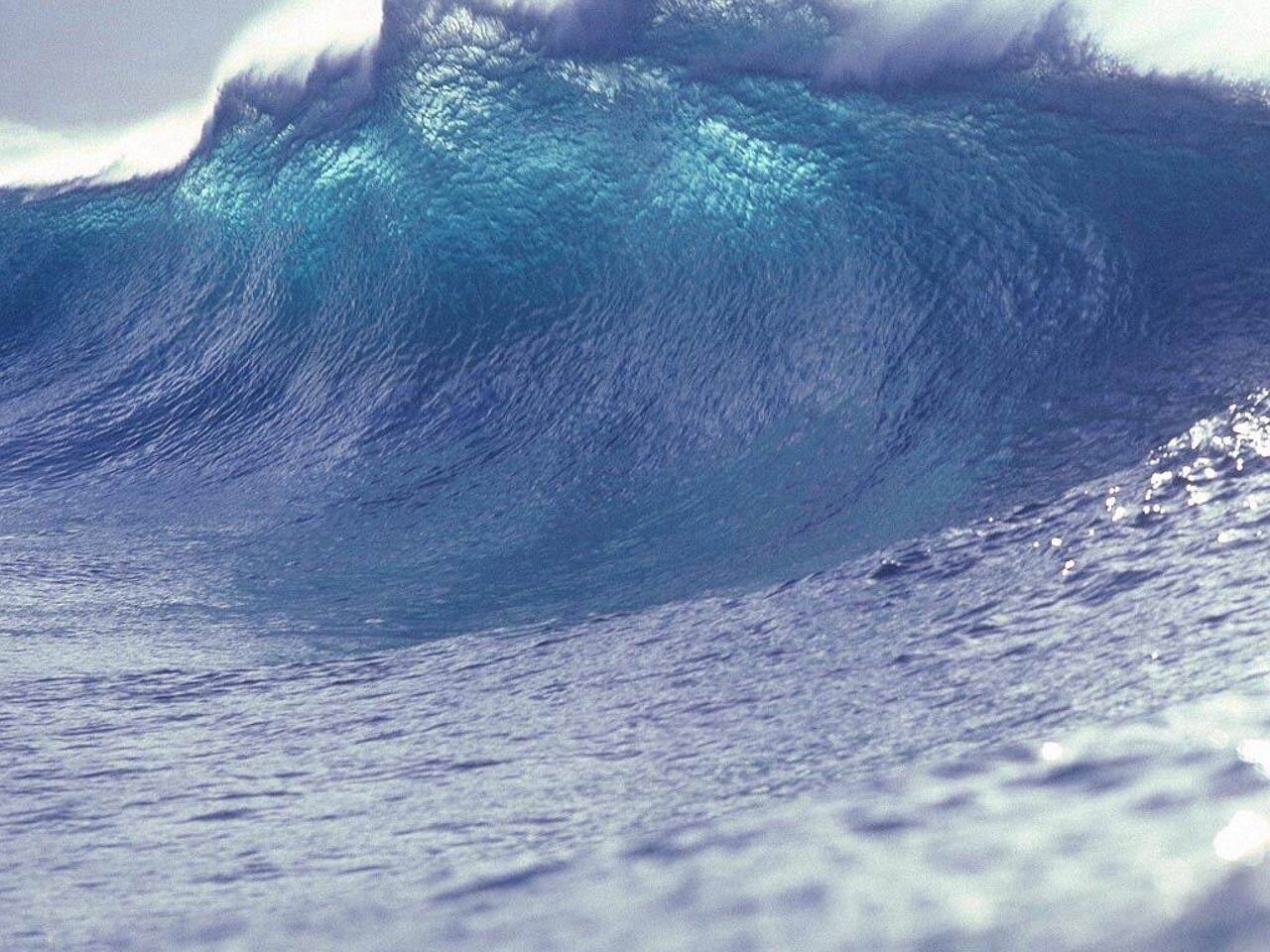
The Usual Suspects: Earthquakes and Underwater Events
The most frequent triggers for tsunamis are:
- Submarine Earthquakes: When tectonic plates beneath the ocean floor shift or rupture, they can displace enormous volumes of water. Earthquakes that occur underwater, particularly those with a vertical displacement of the seabed, are the primary cause of destructive tsunamis. The Pacific Ring of Fire, a zone of intense seismic activity, is responsible for the majority of the world’s tsunamis.
- Volcanic Eruptions: Underwater volcanic eruptions, especially those that cause flank collapses or caldera collapses, can also displace vast quantities of water, leading to tsunami generation.
- Landslides: Large landslides, whether occurring on the ocean floor or near the coast and falling into the water, can create significant waves.
- Meteorite Impacts: While exceedingly rare, a large meteorite impacting the ocean would undoubtedly generate a massive tsunami.
The energy released in these events is immense, propagating waves across the ocean at high speeds, often exceeding 500 miles per hour in deep water. As these waves approach shallower coastal areas, their speed decreases, but their height dramatically increases, leading to devastating inundation.
Characteristics of Tsunami Waves
Unlike typical wind-driven waves that affect the surface layer of the ocean, a tsunami involves the entire water column, from the surface to the seabed. This is why they can travel vast distances across oceans with minimal energy loss. In the deep ocean, a tsunami’s wavelength can be hundreds of miles long, and its wave height might be only a few feet, making it imperceptible to ships at sea. However, as the wave enters shallower waters, the seafloor topography forces the water to pile up, leading to the characteristic towering waves and powerful surges that characterize a tsunami’s impact on land.
Florida’s Geographical Positioning and Tsunami Risk
Florida’s unique geographical position plays a significant role in its relative immunity to tsunamis. The state is characterized by a long peninsula with a broad continental shelf, particularly on its Atlantic coast. This geological makeup offers a degree of natural protection.
The Atlantic Coast: A Gentle Slope
The eastern coastline of Florida faces the vast Atlantic Ocean. While the Atlantic can experience significant storm surges from hurricanes, the frequency and magnitude of the seismic activities required to generate a destructive tsunami are considerably lower in this region compared to the Pacific Ocean. The tectonic plates that interact along the Atlantic coast are generally less active. Furthermore, the continental shelf off Florida’s Atlantic coast is relatively wide and shallow. This gentle slope acts as a natural energy dissipator for any potential tsunami waves originating far out at sea. The energy of the wave gets spread out over a larger area as it approaches the shore, reducing its destructive potential.
The Gulf Coast: A Different Oceanographic Setting
Florida’s western and southern coasts are bordered by the Gulf of Mexico. The Gulf is a semi-enclosed sea, surrounded by continental landmasses. This enclosed nature means that major seismic events capable of generating large tsunamis are even less likely within the Gulf itself. While earthquakes do occur in the Caribbean region, which influences the southern coast of Florida, the seismic activity is not as consistently high as in the Pacific. Moreover, the geological features and ocean currents within the Gulf of Mexico do not typically lend themselves to the formation or propagation of tsunamis of the scale seen in open ocean basins.
Limited Seismic Activity
Compared to regions like California or the Pacific Northwest, Florida experiences very little significant seismic activity. The state sits far from the major tectonic plate boundaries that generate the large, deep earthquakes capable of triggering tsunamis. While minor tremors are occasionally felt in Florida, these are typically not of the magnitude or type to cause substantial displacement of ocean water.

Historical Perspective and Recorded Events
When considering the question “Do tsunamis happen in Florida?”, looking at historical records provides crucial context.
Rare and Minor Occurrences
Historically, Florida has not experienced any significant, destructive tsunamis originating from distant seismic events. The instances that have been recorded are typically minor and often attributed to secondary causes, such as underwater landslides or, more commonly, the wave effects of major hurricanes. For example, during powerful hurricanes, the extreme winds and atmospheric pressure changes can create storm surges and significant wave action that might resemble tsunami-like inundations in their immediate impact on coastal areas, but their origin is entirely different.
The 1886 Charleston Earthquake
A notable event that affected the Atlantic coast of the United States was the 1886 Charleston, South Carolina earthquake. While this earthquake was powerful and caused considerable damage inland, its effect on the coast was primarily characterized by storm surge-like conditions rather than a classic destructive tsunami. Florida, being further south, experienced even less direct impact. This historical event highlights that even significant seismic activity along the Atlantic coast does not automatically translate to major tsunami threats for Florida.
Distant Tsunami Effects
In exceptionally rare circumstances, a massive tsunami generated in the distant North Atlantic or even the Caribbean could theoretically reach Florida’s shores. However, by the time such waves traveled the considerable distances and encountered the geographical features of Florida’s coastline, their energy would be significantly diminished, likely resulting in only minor wave disturbances rather than catastrophic flooding. The primary threat to Florida’s coastlines remains hurricanes and their associated storm surges, which are a distinct phenomenon from tsunamis.
Practical Implications for Travelers
For travelers planning a vacation to Florida, understanding the tsunami risk is part of a comprehensive approach to safety and preparedness.
Focus on Hurricane Preparedness
The primary natural hazard that travelers to Florida need to be aware of is hurricanes. The state is located in a region highly susceptible to tropical cyclones, particularly during the Atlantic hurricane season, which runs from June 1st to November 30th. Understanding hurricane watches and warnings, evacuation routes, and hotel safety protocols during such events is far more critical for a safe trip to Florida than worrying about tsunamis. Many resorts and hotels in cities like Clearwater and Fort Lauderdale have robust hurricane preparedness plans.
Emergency Preparedness in General
While tsunamis are not a primary concern, practicing general emergency preparedness is always wise when traveling. This includes:
- Staying Informed: Monitor local weather and news reports, especially during hurricane season.
- Having a Plan: Know where to go and what to do in case of any emergency. Familiarize yourself with your accommodation’s emergency procedures.
- Securing Important Documents: Keep copies of identification, travel documents, and emergency contact information in a safe and accessible place.
Choosing Your Accommodation Wisely
When booking hotels or other accommodations, consider their location and any emergency preparedness information they provide. Resorts located further inland might offer a greater sense of security during extreme weather events, though coastal properties provide unparalleled access to the ocean views and beach experiences that attract many visitors to destinations like Key West or the Florida Keys.

Conclusion: A Low-Risk Destination for Tsunami Activity
In conclusion, while the earth is a dynamic planet with unpredictable geological events, Florida is remarkably insulated from the significant threats posed by tsunamis. Its geographic location, coupled with the relative lack of seismic activity and the protective nature of its continental shelf, means that the likelihood of experiencing a destructive tsunami is extremely low. Travelers can visit Florida with confidence, focusing their preparedness efforts on the more prevalent risks, most notably hurricanes. The state’s vibrant tourism industry, from the theme parks of Tampa to the beaches of Sanibel Island, remains a safe and welcoming destination, offering the expected tropical escape with minimal concern for tsunami-related dangers. The magic of Florida is best enjoyed when you understand its unique environmental characteristics.
LifeOutOfTheBox is a participant in the Amazon Services LLC Associates Program, an affiliate advertising program designed to provide a means for sites to earn advertising fees by advertising and linking to Amazon.com. Amazon, the Amazon logo, AmazonSupply, and the AmazonSupply logo are trademarks of Amazon.com, Inc. or its affiliates. As an Amazon Associate we earn affiliate commissions from qualifying purchases.