
Planning Your Journey to the Sunshine State’s Entertainment Capital
Embarking on a journey to Orlando, Florida is a common aspiration for many, whether for a thrilling theme park adventure, a relaxing resort getaway, or to explore the vibrant cultural tapestry of the region. Understanding the distance from your starting point is the foundational step in crafting a seamless travel itinerary. This guide aims to demystify the mileage to Orlando, offering insights into planning your expedition, regardless of your departure location.
Calculating Your Distance: A Multi-faceted Approach
The answer to “How many miles is it to Orlando, Florida?” is inherently dependent on your point of origin. While precise mileage can be found through various digital mapping services, understanding the common travel routes and modes of transportation can provide valuable context.
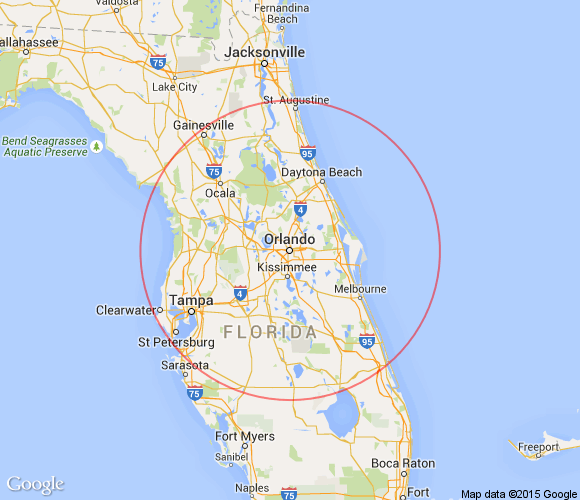
Driving Distances: Navigating by Road
For those opting for the flexibility and adventure of a road trip, driving offers a direct route to Orlando, Florida. The distance will vary significantly based on your starting city and state.
- From the Northeast: Travelers from cities like New York City will typically drive south via major interstates such as I-95. The approximate distance can range from 1,000 to 1,300 miles, often translating to a 16-20 hour driving time, which is best broken into two or three days with overnight stops. Popular routes might involve passage through states like Pennsylvania, Maryland, Virginia, and North Carolina.
- From the Midwest: Journeys originating in the Midwest, such as from Chicago, Illinois, will typically involve a southeastern trajectory. Expect distances around 1,100 to 1,300 miles, with driving times of 17-20 hours. Routes often utilize highways like I-70, I-75, or I-65, passing through states like Indiana, Kentucky, and Tennessee before connecting to Florida’s highway network.
- From the South: For travelers within the southeastern United States, the mileage to Orlando, Florida is considerably shorter. For instance, from Atlanta, Georgia, the distance is approximately 450 miles, requiring about 7-8 hours of driving time via I-75. Those coming from Miami, Florida will find it even closer, with roughly 235 miles and a 3.5-4 hour drive along the Florida Turnpike.
- From the West Coast: Driving from the West Coast, such as Los Angeles, California, presents the longest road trip, spanning approximately 2,500 to 2,700 miles and demanding at least 35-40 hours of pure driving. This journey is typically spread over 4-5 days, crossing numerous states and diverse landscapes.
Air Travel: The Swift Route to Central Florida
For many, air travel represents the most efficient method to reach Orlando, Florida, especially from distant locations. The primary gateway is Orlando International Airport (MCO), a bustling hub serving countless domestic and international flights.
-
Domestic Flights:
- East Coast: Flights from cities like New York City typically last between 2.5 to 3 hours.
- Midwest: Travel from cities like Chicago, Illinois usually takes around 3 to 3.5 hours.
- West Coast: Flights from Los Angeles, California are considerably longer, averaging 5 to 5.5 hours.
- South: Shorter flights are common from cities such as Atlanta, Georgia (around 1.5 hours) and Miami, Florida (under 1 hour).
-
International Flights: Orlando International Airport also welcomes a significant number of international travelers. Flight times will vary greatly depending on the departure country. For example, flights from London, United Kingdom typically span about 8-9 hours, while those from Paris, France are similar. From further afield, such as parts of South America, flight durations can range from 4 to 10 hours, and from Europe eastwards, flight times increase accordingly.
The ease of air travel to Orlando, Florida makes it an accessible destination from virtually anywhere in the world. Once you land at Orlando International Airport, you have several options for reaching your final accommodation, including rental cars, taxis, rideshares, and shuttle services.
Public Transportation and Alternative Routes
While less common for long-distance travel to Orlando, Florida, some travelers may consider train or bus services.
- Amtrak: Amtrak offers routes that can bring you to the Orlando Station. While not as fast as flying, it can be a more scenic and relaxing experience for those who prefer not to drive. The journey time will depend heavily on your origin; for example, a train from Washington D.C. can take upwards of 15-18 hours.
- Intercity Buses: Companies like Greyhound also provide service to Orlando, Florida. Similar to Amtrak, travel times are significantly longer than flying, often spanning a full day or more from many parts of the country.
These options are generally more suited for regional travel or for those seeking a slower-paced journey.
Destination Planning: Beyond the Mileage
Understanding the mileage is only the first step in a successful trip to Orlando, Florida. It informs your choice of transportation, the amount of time you need to allocate for travel, and your budget.
Factors Influencing Travel Time and Distance
Several elements can impact the total time and perceived distance of your journey:
- Time of Year: Travel during peak seasons, such as holidays and summer breaks, can mean more crowded highways and airports, potentially leading to delays. Conversely, off-season travel might offer smoother journeys.
- Traffic Conditions: For driving, traffic congestion, especially around major metropolitan areas and near Orlando, Florida itself, can significantly extend travel times.
- Weather: Inclement weather, particularly during hurricane season (June through November) or severe storm events, can cause flight cancellations, delays, or necessitate detours for road travel.
- Route Choice: Different driving routes, even between the same two points, can vary in distance and the number of potential traffic slowdowns. Using real-time navigation apps is crucial for optimizing your drive.
Preparing for Your Orlando Adventure
Once you have a clear understanding of the distance and your preferred mode of transport, comprehensive planning becomes key.
Accommodation Options in Orlando, Florida
Orlando, Florida boasts an incredibly diverse range of accommodations to suit every traveler’s needs and budget. From luxurious resorts to family-friendly hotels and vacation rentals, the options are plentiful.
- Theme Park Resorts: Staying on-site at places like Walt Disney World Resort or Universal Orlando Resort offers unparalleled convenience for park access, often including perks like early park entry and themed transportation. These resorts provide a fully immersive experience.
- International Drive Hotels: The International Drive corridor is famous for its vast array of hotels, ranging from budget-friendly motels to upscale properties. This area is a hub for dining, entertainment, and offers easy access to many attractions.
- Vacation Rentals: For families or larger groups, renting a villa or apartment through platforms like Airbnb or VRBO can offer more space, private amenities like pools, and the convenience of a full kitchen, often at a competitive price. Many of these are located in communities designed for vacationers.
- Luxury Hotels and Spas: For those seeking a more refined experience, Orlando, Florida offers numerous luxury hotels and resorts that provide premium amenities, fine dining, and exceptional service.
Navigating Orlando, Florida
The distances within Orlando, Florida itself are also important to consider. Attractions are spread across a wide area, and understanding the mileage between them will help you plan your days effectively.
- Theme Park Proximity: Walt Disney World Resort is a massive complex, and travel between its four theme parks and two water parks can take time. Similarly, Universal Orlando Resort, with its two theme parks and water park, requires planning.
- Beyond the Parks: Orlando, Florida offers more than just theme parks. Destinations like ICON Park, the Orlando Science Center, and the Harry P. Leu Gardens are located in different parts of the city and its surroundings.
- Transportation within Orlando: While renting a car provides the most freedom, many areas, particularly around the theme parks and International Drive, have shuttle services, ride-sharing options, and even public transportation routes. If staying at a resort, take advantage of their provided transportation systems.

Thematic Travel Routes to Orlando, Florida
The “miles to Orlando, Florida” question often leads to considering the type of journey one desires.
- The Classic Road Trip: For families or adventurers, the drive itself is part of the experience. Planning stops at interesting landmarks or cities along the way can transform a long journey into a memorable expedition. Consider a route that allows for detours through historical towns or natural attractions in states like South Carolina or Georgia.
- The Efficient Getaway: For those with limited time, flying is the logical choice. The focus here is on minimizing travel time to maximize days spent enjoying Orlando, Florida’s attractions. Booking flights well in advance and choosing direct routes can optimize this approach.
- The Scenic Sojourn: For travelers who appreciate the journey as much as the destination, an Amtrak train offers a different perspective. It allows for relaxation, observation of changing landscapes, and a respite from driving or airport hassles.
Ultimately, the distance to Orlando, Florida is a variable that is best answered by your specific starting point and chosen travel method. Armed with this knowledge, you can confidently plan your adventure to this beloved Central Florida destination, ensuring a smooth and enjoyable experience from the moment you set out until your toes touch the Florida sunshine.
LifeOutOfTheBox is a participant in the Amazon Services LLC Associates Program, an affiliate advertising program designed to provide a means for sites to earn advertising fees by advertising and linking to Amazon.com. Amazon, the Amazon logo, AmazonSupply, and the AmazonSupply logo are trademarks of Amazon.com, Inc. or its affiliates. As an Amazon Associate we earn affiliate commissions from qualifying purchases.