
Understanding the cost of car tags, officially known as license plates or registration decals, in Florida is a crucial piece of information for any vehicle owner in the Sunshine State. These fees are not static and can vary based on several factors, including the type of vehicle, its weight, its age, and whether it’s a new registration or a renewal. Navigating the Florida Department of Highway Safety and Motor Vehicles (FLHSMV) system can seem daunting, but by breaking down the components of the cost, prospective and current vehicle owners can better budget for this essential expense.
The primary purpose of car tag fees is to fund various state and local services, including road maintenance, infrastructure projects, and law enforcement. Therefore, the amount you pay directly contributes to the upkeep of the very roads you drive on. While the initial purchase price of a vehicle might be a significant upfront cost, the ongoing expense of registration and associated fees is a recurring financial consideration that shouldn’t be overlooked.
Factors Influencing Car Tag Costs in Florida
The cost of a Florida car tag is determined by a combination of state-mandated fees and variable charges that depend on your specific vehicle and its usage. It’s not a one-size-fits-all price. Understanding these individual components will help demystify the final amount you see on your bill.
Vehicle Type and Weight
One of the most significant determinants of your car tag cost is the type and weight of your vehicle. Passenger vehicles, such as sedans and SUVs, generally have a base registration fee. However, larger vehicles, trucks, and commercial vehicles incur higher fees due to their increased impact on road infrastructure.
- Passenger Cars: For standard passenger cars, the initial registration fee is typically a fixed amount. This fee covers the basic cost of the license plate and the state’s administrative expenses.
- Trucks and Larger Vehicles: The weight of a truck is a critical factor. The FLHSMV categorizes vehicles based on their gross vehicle weight (GVW). As the GVW increases, so does the registration fee. This is a common practice across many states to ensure that heavier vehicles, which contribute more to road wear and tear, pay a proportionally higher amount for their registration. For instance, a light-duty pickup truck will have a different fee structure than a heavy-duty commercial truck.
- Motorcycles and Mopeds: These typically have lower registration fees than cars and trucks, reflecting their smaller size and lesser impact on roads.
- Recreational Vehicles (RVs): RVs often have a separate fee structure, sometimes based on length or weight, and may have different registration options depending on usage (e.g., personal use versus commercial rental).
Age of the Vehicle
Florida offers a tangible benefit to owners of older vehicles through its “Classic” and “Antique” vehicle registration programs. These programs acknowledge the historical significance and often limited usage of these vehicles and provide a cost-saving measure.
- Standard Registration: For most vehicles, the age of the car doesn’t directly influence the annual renewal fee in terms of a progressive increase or decrease. However, the initial registration fee might differ slightly depending on when the vehicle was manufactured.
- Classic and Antique Plates: Vehicles that meet specific age criteria (often 25 years or older for classic, and even older for antique) can be registered under special classifications. These plates usually come with a significantly reduced annual registration fee. The exact requirements and fees for these specialized plates can be obtained from the FLHSMV. This is an excellent option for enthusiasts who use their vintage vehicles sparingly and want to save on registration costs.
New Registration vs. Renewal
The cost structure for obtaining a new car tag differs from the annual renewal process.
- New Registration: When you first register a vehicle in Florida, especially a brand-new one purchased from a dealership, you will typically pay a higher initial fee. This often includes a one-time title fee, a initial registration fee, and potentially ad valorem taxes if the vehicle was purchased within Florida. The dealership usually handles these initial transactions and fees. If you are registering a vehicle purchased out-of-state, you will need to visit a local county tax collector’s office to complete the title and registration process, paying similar initial fees.
- Annual Renewal: The annual renewal fee is generally lower than the initial registration cost. This fee primarily covers the cost of the new decal that displays the expiration month and year, along with administrative costs. Renewals can often be completed online, by mail, or in person at a county tax collector’s office.
Additional Fees and Surcharges
Beyond the base registration fee, several other fees and surcharges can contribute to the total cost of your car tag in Florida.
- Plate Fees: There’s a base fee for the license plate itself. Specialty plates, such as those supporting specific charities or Florida institutions like Everglades National Park or Walt Disney World, often come with an additional surcharge that goes towards the designated cause or organization.
- Title Fees: A one-time fee is charged when a vehicle is titled in your name. This is part of the initial registration process.
- Sales Tax/Ad Valorem Tax: If you purchase a vehicle in Florida, you will pay sales tax on the purchase price. If you are registering a vehicle that was previously registered in another state, Florida may assess a partial sales tax or an ad valorem tax, calculated based on the vehicle’s value and age, to bring it in line with Florida’s tax structure. This is often paid at the time of initial registration.
- Local County Fees: Some counties may impose additional local fees, although these are usually minor.
- Elective Share or Specialty Plate Fees: As mentioned, choosing a specialty plate often adds an annual surcharge, typically ranging from $5 to $25 or more, which benefits the organization or cause the plate represents.
Understanding Registration Renewal Costs
The annual renewal of your car tag is a straightforward process designed to keep your vehicle legally registered. The cost for renewal is generally more predictable than initial registration but still subject to the factors mentioned above.
The Renewal Notice
Prior to your registration expiring, the FLHSMV or your local county tax collector’s office will typically mail you a renewal notice. This notice is a vital document that details the exact amount due, the expiration date, and instructions on how to renew. It will break down the fees, allowing you to see the individual components of the cost. It’s important to check your mail regularly for these notices, as failure to renew on time can result in penalties.
Online Renewals
The FLHSMV offers a convenient online renewal portal, which is often the quickest and easiest way to process your registration. The system will calculate your specific renewal cost based on your vehicle information and prompt you for payment. This method is particularly useful for those with busy schedules who want to avoid a trip to the county tax collector’s office.
In-Person and Mail Renewals
For those who prefer or require in-person services, county tax collector offices are available throughout Florida. You can also renew by mail, though this is typically the slowest method. When renewing in person, bring your current registration, driver’s license, and proof of insurance.
Penalty for Late Renewals
It is crucial to renew your car tag registration before it expires. Florida law mandates that vehicles must be registered and have current decals. Driving with an expired registration can result in traffic citations, fines, and even the potential for your vehicle to be impounded. Penalties for late renewals are usually a combination of a late fee and potentially back registration fees, depending on how long the registration has been expired.
Specialty and Personalized License Plates in Florida
Florida offers a wide array of specialty and personalized license plates, allowing vehicle owners to express their interests, support causes, or simply personalize their vehicles. These options, while adding a unique touch, often come with an additional cost.
Specialty License Plates
Specialty plates, also known as “Plate Projects,” are designed to support various organizations, educational institutions, and environmental causes. Examples include plates for Mote Marine Laboratory, the Florida Sheriffs Association, and numerous universities.
- Additional Surcharge: Each specialty plate typically carries an additional annual surcharge, ranging from $5 to $25 or more, on top of the standard registration fee. This surcharge goes directly to the benefiting organization or program.
- Variety of Designs: The designs are diverse, catering to a wide range of interests. From wildlife and sports to specific communities and charities, there’s a specialty plate for almost everyone.
- Availability: These plates can be ordered when registering a new vehicle or when renewing an existing registration.
Personalized (Vanity) Plates
Personalized license plates allow you to choose your own combination of letters and numbers (within certain guidelines and character limits).
- Personalization Fee: In addition to the standard registration fee, personalized plates require an extra annual fee. This fee covers the administrative costs associated with creating and managing these unique plates.
- Availability Check: Before ordering a vanity plate, you’ll need to check if your desired combination is available through the FLHSMV system.
- Popularity and Considerations: While vanity plates offer a unique way to express yourself, it’s important to consider that they often come with a higher cost than standard plates and may also include the surcharge for any underlying specialty plate design you choose.
Estimated Costs and Where to Find Exact Figures
Providing an exact universal cost for car tags in Florida is impossible due to the variable factors involved. However, we can provide estimates and guide you to the most accurate resources.
General Estimates
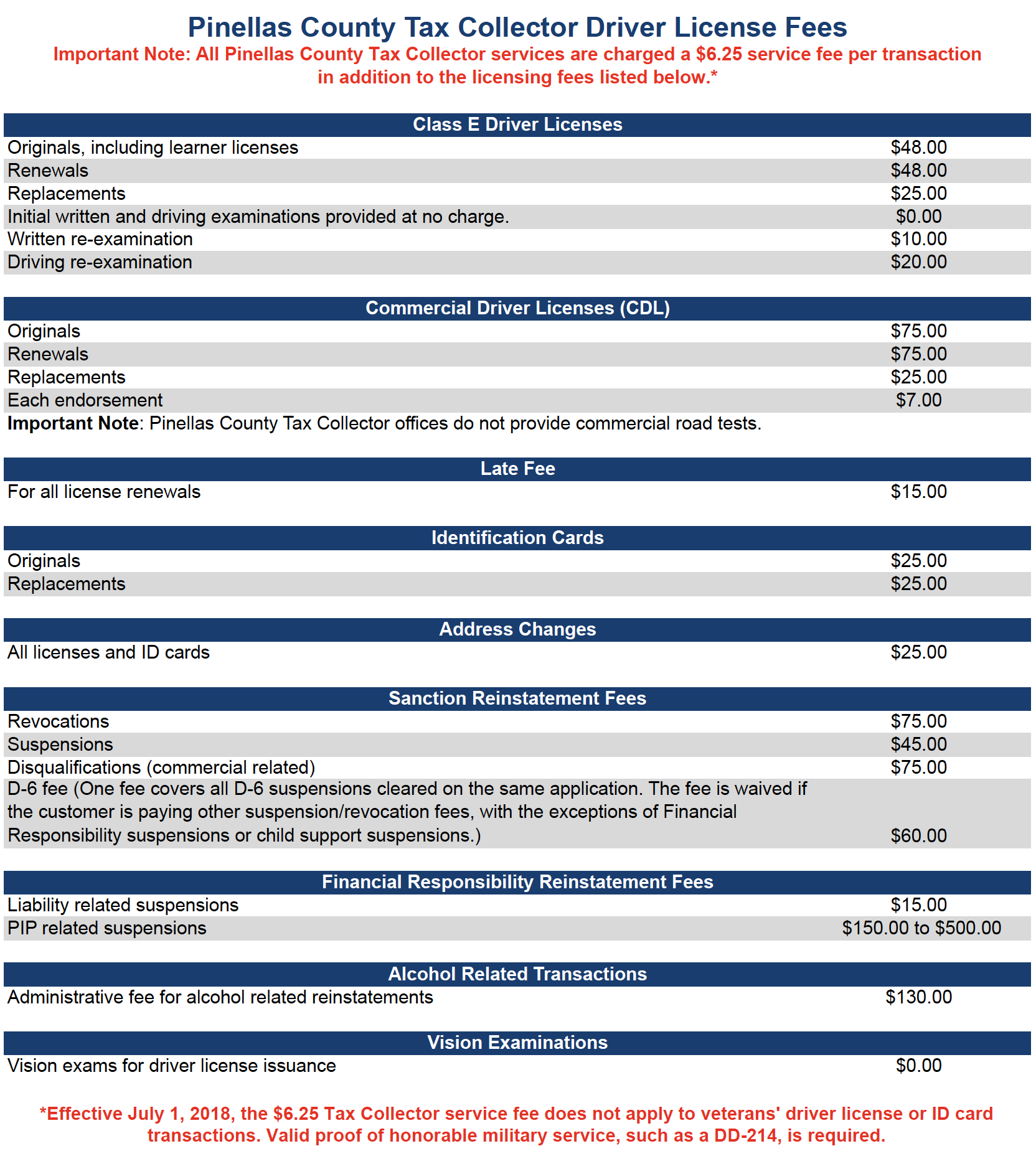
- Basic Passenger Car (Renewal): For a standard passenger car renewal, you might expect to pay somewhere in the range of $20 to $50 annually, depending on the county and any minor additional fees.
- New Registration (Passenger Car): For a new registration, including title fees and potential ad valorem taxes, the cost can range from $200 to $400 or more, depending heavily on the vehicle’s purchase price and whether taxes are due.
- Trucks: Registration fees for trucks increase significantly with weight. A light-duty truck might cost $50-$100 annually, while heavier commercial trucks can cost several hundred dollars or more.
- Specialty/Personalized Plates: Expect to add an extra $5 to $50 annually for specialty plates and personalized plate options, on top of the base registration fee.
Official Resources
The most reliable source for determining the precise cost of your car tag in Florida is the Florida Department of Highway Safety and Motor Vehicles (FLHSMV) and your local county tax collector’s office.
- FLHSMV Website: The FLHSMV website provides general fee schedules and information on registration requirements. They offer online services and detailed explanations of the fee structures.
- County Tax Collector Websites: Each of Florida’s 67 counties has a tax collector’s office, and most of these offices have websites that provide specific fee calculators or detailed lists of fees applicable within that county. Searching for “[County Name] Tax Collector FL” will usually lead you to their official site. These sites often have the most up-to-date and localized fee information.
- In-Person Inquiry: Visiting your local county tax collector’s office is always an option for direct assistance and clarification on your specific vehicle’s registration costs.
By understanding these factors and utilizing the official resources available, vehicle owners in Florida can accurately determine and budget for their car tag costs, ensuring compliance with state regulations and contributing to the maintenance of the state’s transportation infrastructure. Whether you’re a resident of Miami, Orlando, or Tampa, this knowledge is fundamental to responsible vehicle ownership.
LifeOutOfTheBox is a participant in the Amazon Services LLC Associates Program, an affiliate advertising program designed to provide a means for sites to earn advertising fees by advertising and linking to Amazon.com. Amazon, the Amazon logo, AmazonSupply, and the AmazonSupply logo are trademarks of Amazon.com, Inc. or its affiliates. As an Amazon Associate we earn affiliate commissions from qualifying purchases.