
Oklahoma City, often affectionately referred to as the “Big O,” stands as the vibrant capital of the Sooner State. More than just a seat of government, it is a dynamic metropolis brimming with a rich tapestry of history, a burgeoning arts scene, and a unique blend of Western heritage and modern innovation. For travelers seeking an authentic American experience, Oklahoma City offers a compelling destination, showcasing the spirit and resilience of its people.
A Deep Dive into the Heart of Oklahoma
Oklahoma City’s journey from its dramatic beginnings during the Land Run of 1889 to its current status as a thriving urban center is a story of rapid growth and enduring spirit. The city’s very foundation is rooted in a moment of audacious opportunity, a characteristic that continues to define its character. Understanding the capital means appreciating its historical roots, its geographical significance, and the cultural currents that shape its identity.
The Genesis: A City Born from the Land Run
The official founding of Oklahoma City on April 22, 1889, marked a pivotal moment in American history. Thousands of eager settlers, known as “boomers,” raced across the unassigned lands of Indian Territory to stake their claims. Within hours, tents and temporary structures transformed a desolate prairie into a bustling town. This rapid genesis is a core element of the city’s identity, embodying a pioneering spirit that still resonates today. The area around the original “Skid Row” is a testament to this early period, with historical markers and preserved buildings offering glimpses into the past.
Geographical Significance and Urban Layout
Nestled in the central part of Oklahoma on the banks of the Oklahoma River, Oklahoma City is strategically located. Its urban layout reflects a blend of planned development and organic growth. The downtown core, once dominated by government buildings and office towers, has undergone significant revitalization, transforming into a dynamic hub with a lively mix of residential spaces, entertainment venues, and cultural institutions. The Bricktown Entertainment District, a prime example of this urban renewal, has become a focal point for visitors and locals alike.
The Symbol of the Sooner State
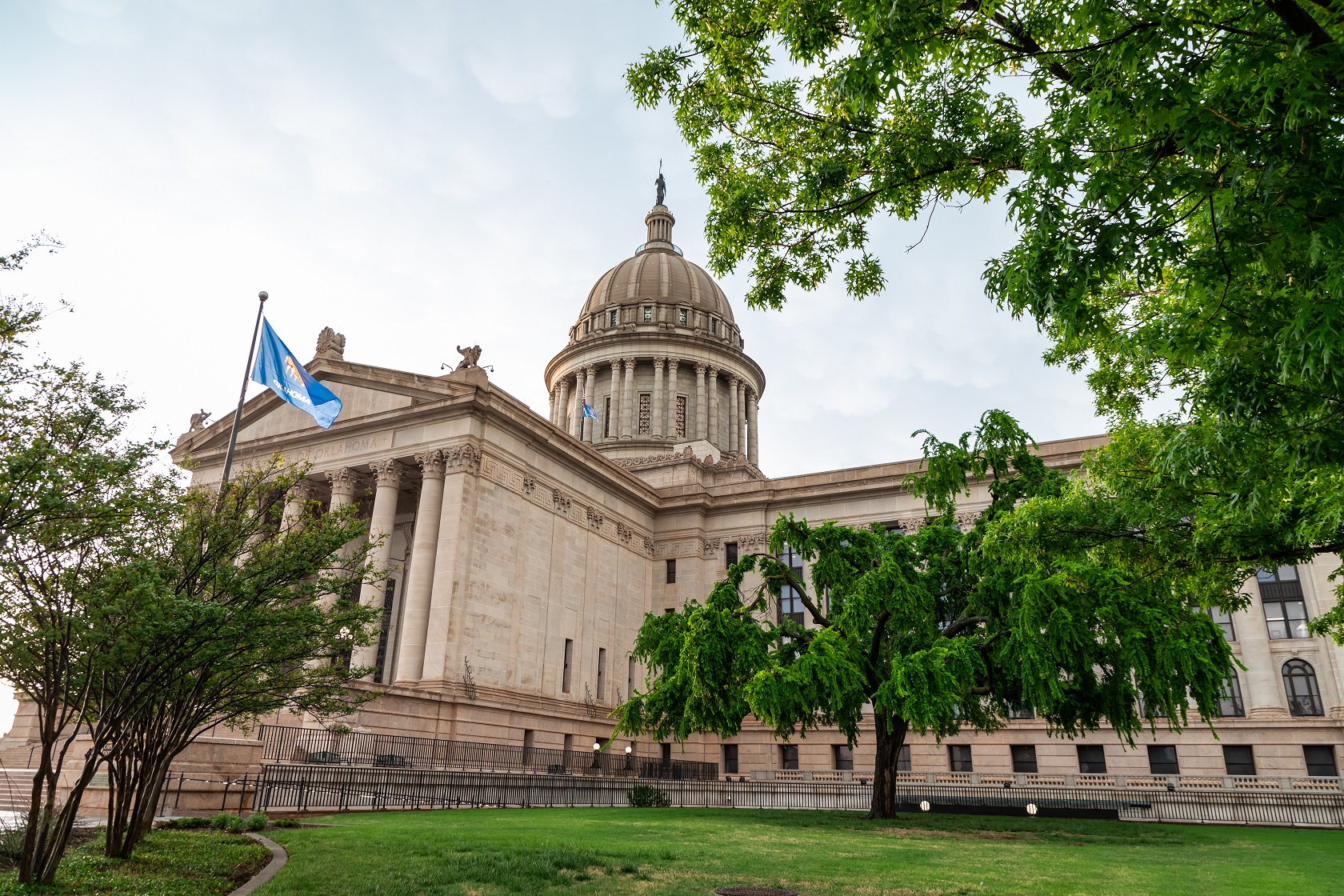
As the capital, Oklahoma City is the political and administrative heart of the state. The iconic Oklahoma State Capitol Building, with its distinctive golden dome, stands as a symbol of governance and public service. Visitors can explore its grounds, learn about the state’s legislative process, and admire the architecture. The surrounding Capitol Complex further illustrates the city’s role as the center of state operations.
Exploring the Urban Landscape: Attractions and Experiences
Oklahoma City offers a diverse array of attractions that cater to a wide range of interests, from historical immersion to contemporary artistic expression. Its landscape is dotted with significant landmarks, vibrant districts, and enriching cultural institutions, all contributing to its unique appeal as a travel destination.
A Tribute to Resilience: The Oklahoma City National Memorial & Museum
Perhaps the most poignant and significant landmark in the city is the Oklahoma City National Memorial & Museum. This solemn site honors the victims, survivors, and rescuers of the tragic Oklahoma City bombing on April 19, 1995. The outdoor memorial, with its reflecting pool and field of 168 empty chairs, offers a space for quiet contemplation. The accompanying museum provides a deeply moving and educational experience, chronicling the events of that day and the community’s remarkable journey of healing and remembrance. It is a must-visit for anyone seeking to understand the strength and spirit of Oklahoma City.
The Vibrant Pulse of Bricktown
The Bricktown Entertainment District is the quintessential example of Oklahoma City’s urban transformation. Once a warehouse district, it has been reborn as a bustling entertainment hub, characterized by its charming brick streets, the serene Bricktown Canal, and an abundance of restaurants, bars, and entertainment venues. A water taxi ride along the canal offers a unique perspective of the area, gliding past lively patios and architectural highlights. This district exemplifies the city’s commitment to creating dynamic and engaging public spaces.
Artistic Flourish and Cultural Enrichment
Oklahoma City boasts a growing and impressive arts and culture scene. The Oklahoma City Museum of Art is a cornerstone, housing a significant collection of Chihuly glass, European and American art, and traveling exhibitions. For those interested in performing arts, the Civic Center Music Hall hosts a variety of productions, from Broadway shows to performances by the Oklahoma City Philharmonic. The Arts District, also known as the 16th Street District, is a burgeoning area filled with galleries, studios, and theaters, showcasing the creative energy of local artists.
A Glimpse into the Past: Museums and Historic Sites

Beyond the national memorial, several other institutions offer valuable insights into Oklahoma’s history and culture. The National Cowboy & Western Heritage Museum is a premier institution dedicated to preserving and celebrating the American West. Its extensive collection of Western art, firearms, and artifacts provides a comprehensive look at the region’s heritage. For those interested in aviation history, the Oklahoma Museum of Flying offers a fascinating journey through the evolution of flight. The Pioneer Telephone Cooperative also offers historical insights into telecommunications in rural America.
Embracing the Oklahoma Spirit: Local Culture and Lifestyle
The capital city’s charm extends beyond its physical attractions; it resides in its people, its traditions, and its evolving lifestyle. From its roots in cattle ranching and oil production to its embrace of new industries and cultural diversity, Oklahoma City presents a compelling snapshot of contemporary American life.
The Culinary Scene: From Comfort Food to Culinary Innovation
Oklahoma City’s food scene is a delightful fusion of classic American comfort food, Southern influences, and a growing number of innovative eateries. Visitors can savor hearty steaks at traditional steakhouses, explore diverse flavors in the various ethnic enclaves, or indulge in farm-to-table experiences. The proliferation of craft breweries and artisanal coffee shops also reflects the city’s embrace of contemporary culinary trends. From the famous “Chicken Fried Steak” to diverse international cuisines, the capital offers a palate-pleasing adventure.
Western Heritage and Modern Enterprise
The legacy of the American West is deeply ingrained in the culture of Oklahoma City. This is evident not only in its museums and landmarks but also in the enduring spirit of its people. Rodeos, country music, and a strong sense of community are still integral parts of life here. However, Oklahoma City is also a forward-looking city, with significant investments in technology, aerospace, and biosciences. This blend of tradition and innovation creates a dynamic environment that is both welcoming and exciting for visitors. The annual “Oklahoma City All Sports Festival” is a testament to the community’s active lifestyle.
Outdoor Recreation and Green Spaces
Despite its urban setting, Oklahoma City offers ample opportunities for outdoor recreation. The Myriad Botanical Gardens, a stunning urban oasis, features a tropical conservatory, themed gardens, and performance spaces. The W.P. Atkinson Plaza is a popular spot for relaxation. Along the Oklahoma River, the Boathouse District has become a hub for water sports, including rowing and kayaking, and offers scenic walking and biking trails. The Lake Hefner Lighthouse and surrounding park areas provide picturesque settings for enjoying the natural beauty of the region.
Planning Your Visit to Oklahoma’s Capital
A visit to Oklahoma City promises a rich and memorable experience, blending historical depth with modern vibrancy. Understanding the city’s offerings and its logistical considerations can help travelers make the most of their stay.
Navigating the City: Transportation and Accessibility
Oklahoma City is accessible via Will Rogers World Airport (OKC), which serves major domestic airlines. Within the city, a car is often the most convenient mode of transportation, especially for exploring areas outside the immediate downtown core. However, the revitalized downtown area is quite walkable, and the Bricktown Water Taxi provides a unique way to navigate the entertainment district. Ride-sharing services are also readily available. The Oklahoma City Streetcar is an excellent option for getting around the downtown and Bricktown areas.
Best Times to Visit
The best times to visit Oklahoma City generally fall during the spring and fall months. April through May offer pleasant temperatures, blooming flowers, and a host of outdoor festivals. September and October provide crisp air, vibrant autumn colors, and are ideal for exploring the city’s attractions on foot. Summers can be hot and humid, while winters are typically mild but can experience occasional cold snaps.
Accommodations for Every Traveler
Oklahoma City offers a diverse range of accommodation options to suit every budget and travel style. From luxury hotels in the downtown core and Bricktown to comfortable mid-range hotels and budget-friendly motels scattered throughout the metropolitan area, visitors will find suitable lodging. Boutique hotels in historic buildings offer unique charm, while major hotel chains provide familiar amenities and services. Staying near downtown or in Bricktown offers convenient access to many of the city’s primary attractions and dining establishments.

Beyond the Capital: Day Trips and Excursions
While Oklahoma City itself offers a wealth of experiences, the surrounding region also holds points of interest for those with extra time. A day trip to the Wichita Mountains Wildlife Refuge offers stunning natural landscapes and opportunities for hiking and wildlife viewing. Norman, home to the University of Oklahoma, offers a vibrant college town atmosphere with its own array of museums and cultural events. The historic town of Guthrie, Oklahoma’s first territorial capital, provides a step back in time with its well-preserved Victorian architecture.
In essence, the capital of Oklahoma is not merely a place on a map; it is a living testament to resilience, a hub of cultural expression, and a city that gracefully balances its storied past with a promising future. Whether you are drawn by its history, its arts, its burgeoning culinary scene, or its unmistakable Western spirit, Oklahoma City invites exploration and promises a memorable journey.
LifeOutOfTheBox is a participant in the Amazon Services LLC Associates Program, an affiliate advertising program designed to provide a means for sites to earn advertising fees by advertising and linking to Amazon.com. Amazon, the Amazon logo, AmazonSupply, and the AmazonSupply logo are trademarks of Amazon.com, Inc. or its affiliates. As an Amazon Associate we earn affiliate commissions from qualifying purchases.