
Florida, the “Sunshine State,” is a premier travel destination renowned for its sun-drenched beaches, thrilling theme parks, and vibrant cultural tapestry. Millions flock to its shores annually, drawn by the promise of warm weather, diverse attractions, and a relaxed yet exhilarating atmosphere. However, nestled alongside this idyllic image is the undeniable reality of Florida’s susceptibility to tropical cyclones. Understanding when hurricane season officially begins and ends, and what this entails for travelers, is crucial for planning a safe and enjoyable vacation. This guide delves into the specifics of Florida’s hurricane season, offering insights and practical advice for those considering a visit.
The Official Hurricane Season in Florida
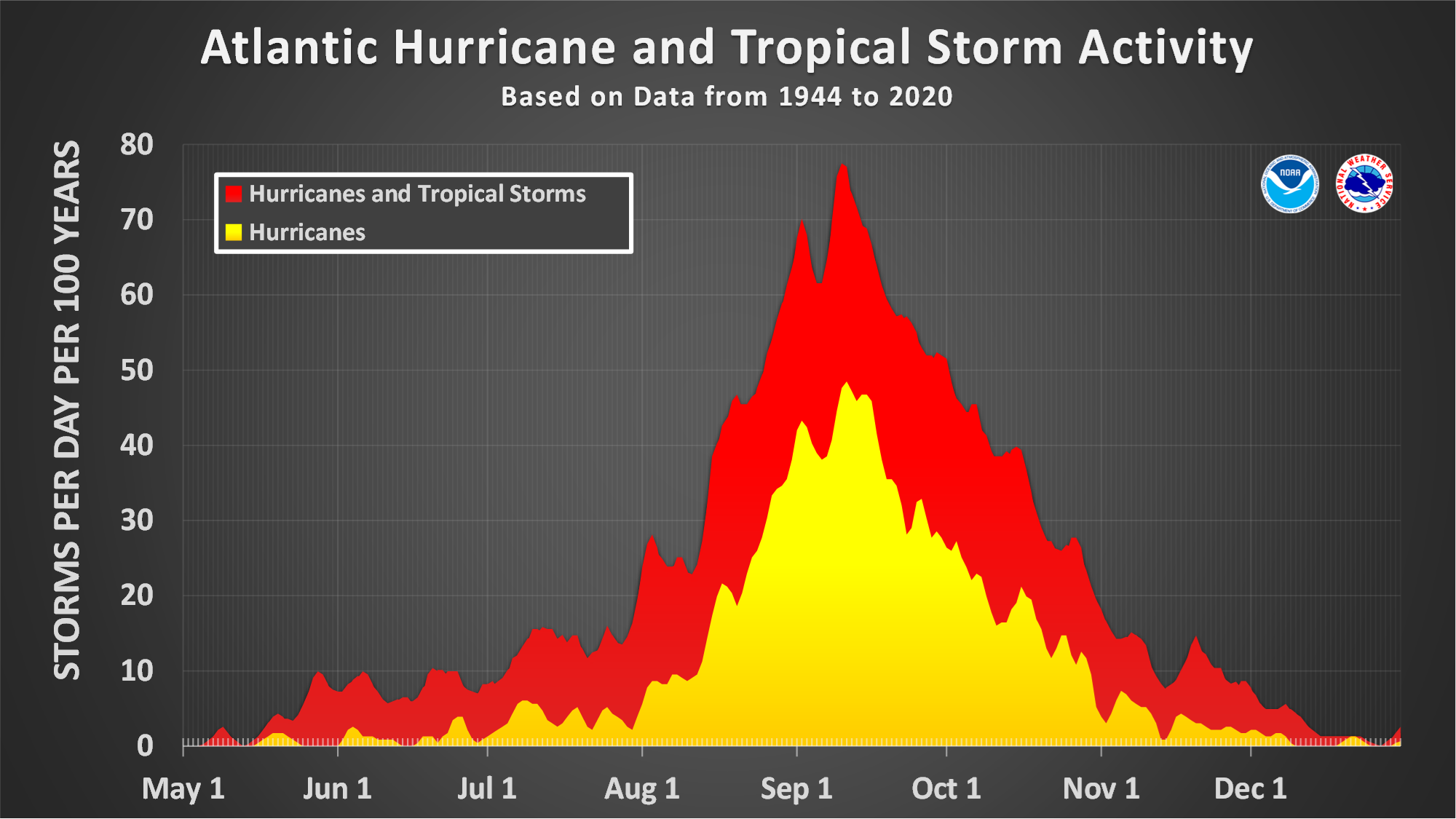
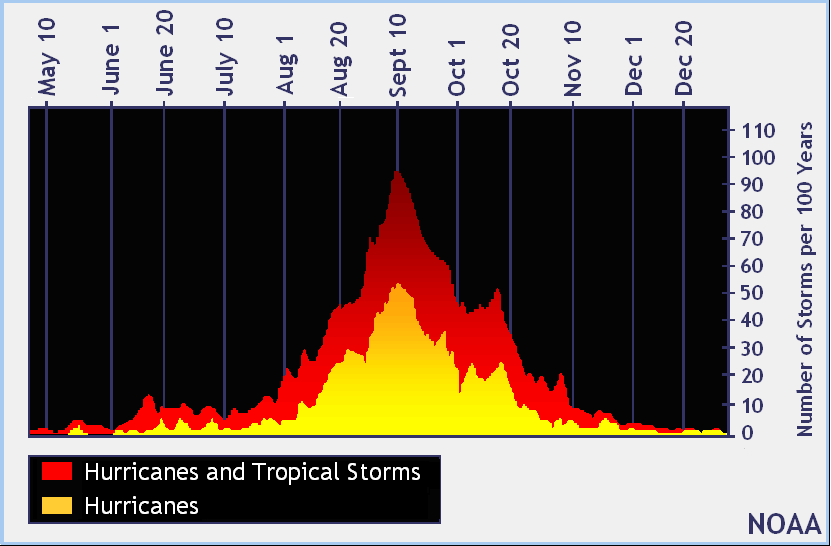
The Atlantic hurricane season, which directly impacts Florida, officially runs from June 1st to November 30th each year. While these six months encompass the period of highest risk, it’s important to note that tropical activity can, and sometimes does, occur outside of these designated dates. Early season storms in May or late-season systems in December are not unheard of, though they are less common.
Peak Activity and Historical Trends
Within the broader hurricane season, there are typically periods of heightened activity. The most active part of the season for the Atlantic basin, including the waters surrounding Florida, generally falls between mid-August and mid-October. This is when sea surface temperatures are warmest, providing ample energy for tropical storm development.
Historically, Florida has experienced numerous significant hurricane landfalls. Major storms have impacted various parts of the state, from the Panhandle down to the Keys. Understanding these historical patterns can help in assessing the general risk during different parts of the season. For instance, while early June might see the season’s first stirrings, the real concern for stronger, more organized systems typically escalates as summer progresses into fall.
Predicting the Season: An Evolving Science
Forecasting the intensity and frequency of a hurricane season is a complex undertaking, relying on a variety of scientific models and atmospheric conditions. Agencies like the National Hurricane Center provide outlooks and updates, but these are subject to change. Factors such as El Niño and La Niña cycles, the temperature of the Atlantic Ocean, and wind shear patterns all play significant roles in determining whether a season will be above, below, or near average in terms of storm activity. Travelers should always consult official sources for the most up-to-date predictions as their travel dates approach.
Planning Your Trip: Navigating Hurricane Season
The presence of hurricane season does not necessarily mean a vacation to Florida should be abandoned. Many visitors have wonderful trips during these months. However, a degree of preparedness and flexibility can significantly enhance the experience and mitigate potential disruptions.
Timing Your Visit Wisely
For travelers seeking to minimize hurricane-related risks, the months outside the official season – December through May – are generally considered safer. However, these months may also coincide with cooler temperatures and potentially higher travel costs due to peak demand during holidays.
If visiting during the official season, consider the shoulder months of June and November. While still within the season, these periods often see less frequent and less intense storm activity compared to the late summer and early fall months. Early June can offer beautiful weather with fewer crowds, and late November can provide a pre-holiday escape with pleasant temperatures.
Travel Insurance: A Prudent Investment
A crucial element of planning any trip to Florida during hurricane season is comprehensive travel insurance. This policy can cover a wide range of potential disruptions, including:
- Trip Cancellation: If a hurricane makes landfall and forces the closure of airports, attractions, or your accommodation, travel insurance can help you recoup non-refundable expenses.
- Trip Interruption: Should your trip be cut short due to a storm, insurance can cover the cost of getting you home early.
- Medical Emergencies: If you or a travel companion suffer an injury or illness during your trip that is exacerbated by a storm or related events, medical coverage can be invaluable.
- Delayed Flights: Hurricanes can cause widespread flight delays and cancellations. Travel insurance can often assist with expenses incurred during these delays, such as meals and lodging.
When purchasing travel insurance, carefully review the policy’s terms and conditions, specifically looking for clauses related to named storms and hurricane evacuations.

Accommodation Choices and Flexibility
The type of accommodation you choose can also influence your experience during hurricane season.
- Hotels and Resorts: Many larger hotels and resorts in popular tourist areas like Orlando and Miami have robust hurricane preparedness plans. These often include backup power generators, reinforced structures, and clear evacuation procedures. Staying in a well-established resort can offer a higher degree of comfort and security during adverse weather. Many resorts offer flexible cancellation policies during storm events.
- Vacation Rentals and Villas: Renting a house or villa can provide a more private and home-like experience. However, preparedness plans may vary significantly. It is essential to communicate with your rental agency or owner about their hurricane policy, including evacuation orders and refund protocols. Ensure the property is located in an area less prone to flooding and consider its proximity to emergency services.
- Cruises: Cruises departing from Florida ports are also subject to hurricane season. Cruise lines closely monitor weather patterns and will reroute or reschedule voyages to avoid storms. While this prioritizes passenger safety, it can lead to itinerary changes or cancellations. It is advisable to book cruises with flexible booking policies during this period.
Booking Flexibility and Communication
When booking flights, accommodations, and activities, prioritize providers that offer flexible cancellation or rebooking policies. Many airlines and hotels understand the risks associated with hurricane season and have adjusted their policies accordingly. Always confirm these policies directly with the provider before finalizing your booking.
Maintain open communication with your accommodation provider and any tour operators. In the event of a developing storm, they will be your primary source of information regarding local conditions, safety advisories, and operational status.
Preparing for the Unexpected: Safety and Awareness
Even with careful planning, a hurricane can disrupt travel plans. Being informed and prepared is key to ensuring safety and minimizing stress.
Staying Informed: Official Resources
The most critical step during hurricane season is staying informed about weather developments. Reliable sources of information include:
- The National Hurricane Center (NHC): This is the primary source for tropical cyclone forecasts and advisories. Their website and social media channels provide real-time updates.
- Local News Outlets: Florida’s local television and radio stations provide crucial information specific to your location, including evacuation orders and shelter information.
- Emergency Management Agencies: State and county emergency management agencies issue directives and advisories relevant to their jurisdictions.
Understanding Evacuation Orders
If a mandatory evacuation order is issued for your area, it is imperative to comply immediately. Evacuation routes are designated to facilitate safe departure. Understanding these routes and having a pre-determined destination outside the affected zone is vital. Your travel insurance and accommodation provider can often offer guidance on these matters.
Creating a Travel Emergency Kit
Even for short trips, a small emergency kit can be beneficial. Consider including:
- Water and Non-Perishable Food: Enough for at least 24-48 hours.
- First-Aid Kit: With essential medications.
- Flashlight and Batteries: For power outages.
- Charged Power Bank: To keep electronic devices operational.
- Copies of Important Documents: Identification, insurance policies, booking confirmations.
- Cash: ATMs and credit card machines may not function during widespread power outages.
Embracing Flexibility and a Positive Outlook
While the threat of a hurricane can be daunting, remember that the vast majority of trips to Florida during hurricane season proceed without significant disruption. Many visitors enjoy beautiful weather, fewer crowds, and potentially lower prices. Approaching your trip with a spirit of flexibility and a well-researched plan will allow you to make the most of your Florida adventure, regardless of the weather. The resilience of Florida’s tourism industry, coupled with the preparedness of its residents and businesses, ensures that even in the face of tropical weather, the Sunshine State remains a welcoming and vibrant destination.
LifeOutOfTheBox is a participant in the Amazon Services LLC Associates Program, an affiliate advertising program designed to provide a means for sites to earn advertising fees by advertising and linking to Amazon.com. Amazon, the Amazon logo, AmazonSupply, and the AmazonSupply logo are trademarks of Amazon.com, Inc. or its affiliates. As an Amazon Associate we earn affiliate commissions from qualifying purchases.