
The question of distance between two major Midwestern metropolises, Chicago, Illinois and Columbus, Ohio, is more than just a geographical query; it’s a gateway to understanding the rich tapestry of travel opportunities, cultural connections, and logistical considerations that link these vibrant cities. Whether you’re planning a road trip, a business excursion, or a leisurely escape, grasping the mileage and the myriad ways to traverse it unlocks a deeper appreciation for the regional landscape and the diverse experiences each city offers.
Navigating the Distance: Driving and Road Trip Considerations
The most common and often preferred method of travel between Chicago and Columbus is by car. This approach offers unparalleled flexibility, allowing travelers to set their own pace, make spontaneous stops, and explore the scenic byways that dot the landscape between Illinois and Ohio.
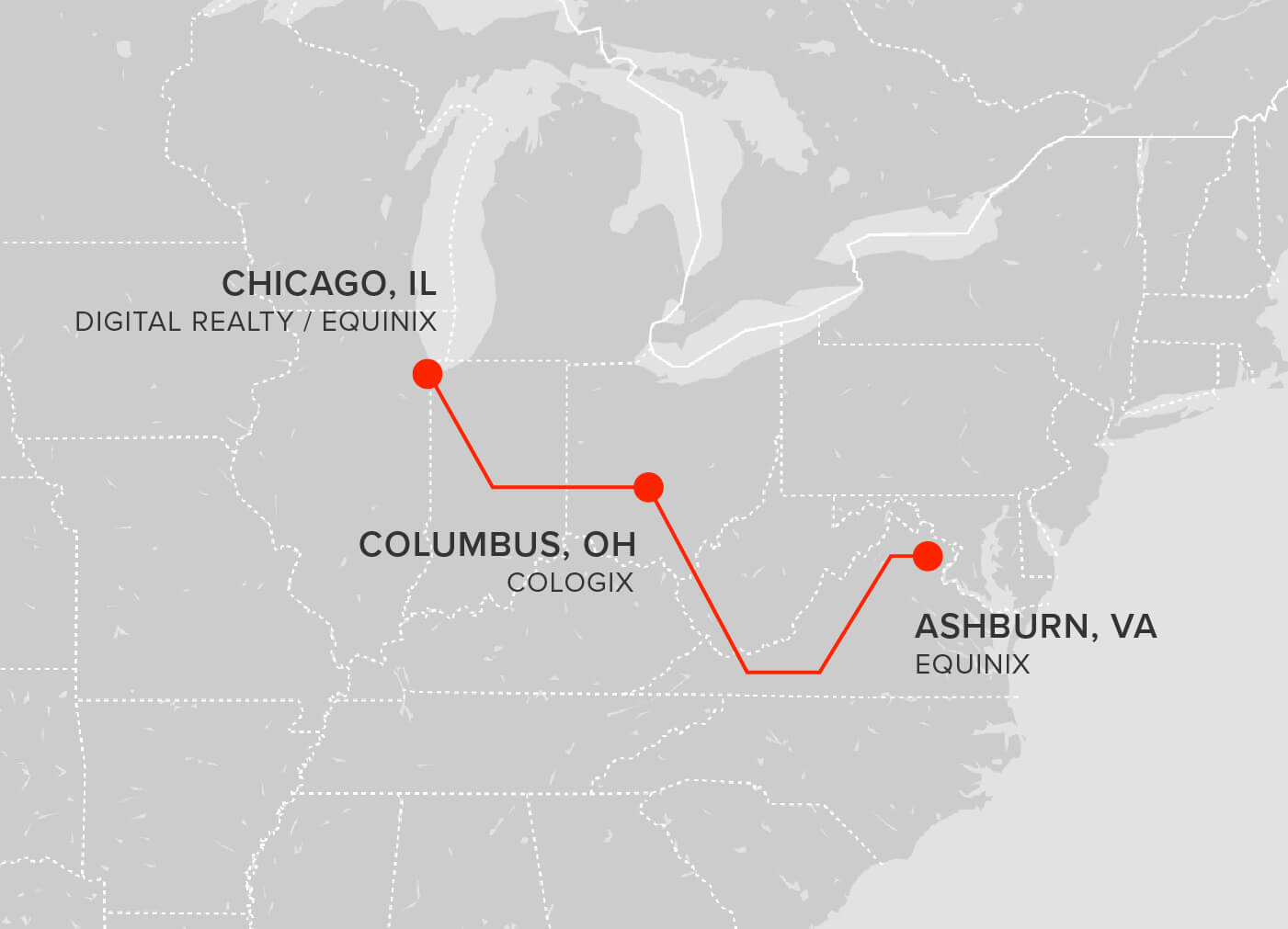
The Direct Route: I-80 E and I-90 E to I-65 S and I-70 E
The most straightforward driving route, typically favored for its efficiency, involves a combination of major interstates. Travelers departing Chicago will generally head east on I-80 E and I-90 E, which merge for a significant portion of the journey. This path will lead them through Indiana, specifically crossing the Indiana Toll Road. The transition usually involves taking I-65 S briefly before merging onto I-70 E, which then takes drivers directly into Columbus.
Estimated Driving Time and Mileage:
The approximate driving distance between Chicago and Columbus is around 350 miles. Under ideal traffic conditions and without significant stops, the journey can be completed in approximately 5.5 to 6 hours. However, it is crucial to factor in potential delays.
Factors Influencing Travel Time:
- Traffic Congestion: Both Chicago and Columbus experience considerable traffic, particularly during peak commuting hours. Entering or exiting Chicago on a Friday afternoon or approaching Columbus on a Sunday evening can add substantial time to the trip.
- Road Construction: Seasonal road work, especially prevalent during warmer months, can cause unexpected detours and slowdowns. It is advisable to check local traffic reports and navigation apps for real-time updates.
- Weather Conditions: Midwestern weather can be unpredictable. Snowstorms in winter can significantly reduce visibility and road speeds, while heavy rain or fog can also impact travel times. Always check the weather forecast before embarking on your journey.
- Stops and Breaks: This estimated driving time does not include stops for meals, gas, or rest. Planning for these necessities is essential for a safe and enjoyable road trip.
Scenic Detours and Points of Interest
While the direct interstate route is efficient, travelers with a bit more time can explore alternative paths that offer glimpses into the heartland of America.
- Indiana Dunes National Park: For nature enthusiasts, a slight detour to the shores of Lake Michigan to visit the Indiana Dunes National Park can be a refreshing break. This offers stunning sandy beaches, hiking trails, and a unique ecological landscape.
- Indianapolis, Indiana: A more substantial detour would be to visit Indianapolis, Indiana. As the capital of Indiana, it boasts attractions like the Indianapolis Motor Speedway Museum and the picturesque White River State Park.
- Charming Midwestern Towns: Many smaller towns along the route offer a taste of authentic Midwestern life. Consider brief stops in places like South Bend, Indiana, or smaller communities that catch your eye for a local diner experience.
Air Travel: A Swift Alternative
For those prioritizing speed and convenience, air travel offers a significantly faster way to bridge the gap between Chicago and Columbus.
Major Airports and Flight Options
Both cities are well-served by major airports, facilitating frequent flight schedules.
- Chicago Airports: Travelers will typically depart from either O’Hare International Airport (ORD) or Midway International Airport (MDW). O’Hare is a major international hub, offering a vast array of domestic and international flights, while Midway is a focus city for Southwest Airlines, often providing more budget-friendly options.
- Columbus Airport: The primary airport serving Columbus is John Glenn Columbus International Airport (CMH). It handles numerous domestic flights daily.
Flight Duration and Logistics:
Direct flights between Chicago and Columbus are common and have a flight time of approximately 1 hour and 15 minutes. However, the total travel time will include:
- Travel to the Airport: Allow ample time to reach your departure airport, considering traffic and parking.
- Check-in and Security: Arrive at least 1.5 to 2 hours before a domestic flight to clear security and reach your gate.
- Boarding and Deplaning: Factor in time for boarding procedures and disembarking upon arrival.
- Travel from the Airport: Upon landing at CMH, you’ll need time to collect luggage (if applicable) and arrange for onward transportation to your final destination within Columbus.
While flights are swift, the overall door-to-door time can still be a considerable portion of a day, comparable to driving but without the flexibility.
Choosing the Right Air Carrier
Several major airlines operate routes between Chicago and Columbus, including United Airlines, American Airlines, and Southwest Airlines. Comparing prices, flight times, and baggage policies across these carriers is recommended for finding the best value.
Rail Travel: A Relaxed Journey
For those who prefer a more leisurely and scenic travel experience, Amtrak offers a viable, albeit longer, option between Chicago and Columbus.
Amtrak Routes and Stations
Amtrak’s service between these two cities typically involves a route that is not direct. Passengers usually board an Amtrak train in Chicago and travel towards Indianapolis, Indiana or a similar hub, where a transfer is required to connect to a train bound for Columbus. The primary Amtrak station in Columbus is conveniently located downtown.
Typical Journey Duration:
The train journey can take anywhere from 8 to 12 hours, depending on the specific route, connection times, and any potential delays. This makes it a full-day commitment.
The Amtrak Experience
Choosing Amtrak for this journey offers a distinct set of advantages and considerations:
- Comfort and Space: Train seats generally offer more legroom than airline seats, and the ability to walk around the train provides a sense of freedom often missing in air travel.
- Scenic Views: The route provides opportunities to observe the changing Midwestern landscapes, passing through small towns and agricultural areas.
- Onboard Amenities: Amtrak trains often feature dining cars, cafe cars, and Wi-Fi access, allowing passengers to work or relax comfortably during their journey. Private rooms or sleeper accommodations are also sometimes available on longer routes, offering a more private and restful experience.
- Environmentally Friendlier: Rail travel is generally considered a more environmentally sustainable option compared to flying or driving alone.
- Flexibility with Luggage: Amtrak typically has more generous baggage allowances than airlines, making it easier to pack for longer trips.
While not the fastest option, rail travel presents a compelling choice for those who value a relaxed pace, comfort, and the opportunity to truly see the country unfold outside their window.

Understanding the Connectivity
The relatively short distance between Chicago and Columbus makes them key players in regional transportation networks. This proximity fosters a dynamic exchange of people, goods, and ideas, influencing everything from business travel to cultural tourism. The ease of travel, regardless of the chosen mode, underscores the interconnectedness of these two important Midwestern centers. Whether seeking the vibrant energy of Chicago or the burgeoning opportunities in Columbus, the journey itself is an integral part of the experience, offering a spectrum of options to suit every traveler’s needs and preferences.
LifeOutOfTheBox is a participant in the Amazon Services LLC Associates Program, an affiliate advertising program designed to provide a means for sites to earn advertising fees by advertising and linking to Amazon.com. Amazon, the Amazon logo, AmazonSupply, and the AmazonSupply logo are trademarks of Amazon.com, Inc. or its affiliates. As an Amazon Associate we earn affiliate commissions from qualifying purchases.