
California, the Golden State, a land synonymous with sunshine, innovation, and a diverse tapestry of landscapes, operates under a single, consistent time zone. Understanding this temporal framework is fundamental for any traveler planning an itinerary, a business professional coordinating meetings, or a visitor seeking to immerse themselves in the local rhythm of life. California observes Pacific Standard Time (PST) during the winter months and Pacific Daylight Time (PDT) during the summer months, aligning with a significant portion of the western United States. This dual observance, while seemingly straightforward, has implications that ripple through everything from flight schedules to the optimal times for experiencing its iconic attractions.
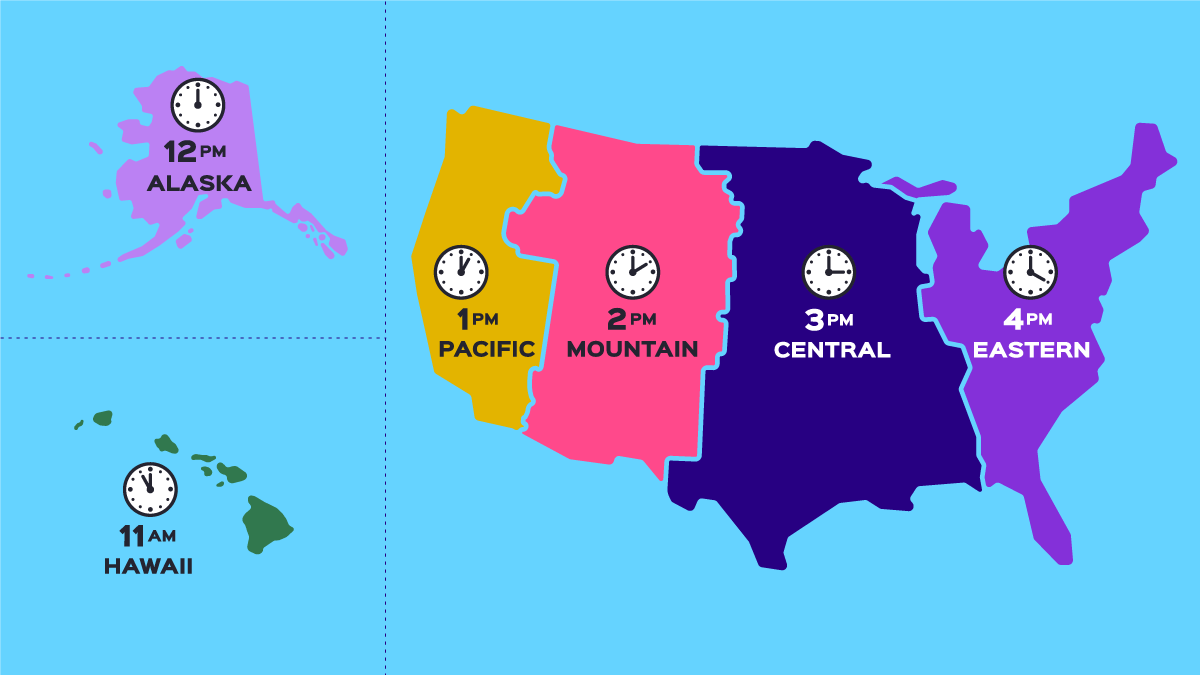
Understanding California’s Time Zone
The Pacific Time Zone, which encompasses California, is one of the four main contiguous time zones in North America. It is UTC−8 during standard time and UTC−7 during daylight saving time. This means that California is typically three hours behind Eastern Standard Time (EST), a difference that is crucial for coordinating activities across the country, whether it’s catching a live broadcast from New York City or participating in a conference call with colleagues on the East Coast.
The Rationale Behind Daylight Saving Time
California, like most of the United States, observes Daylight Saving Time (DST). This practice involves advancing clocks by one hour during the warmer months, from the second Sunday in March to the first Sunday in November. The primary objective of DST is to make better use of daylight. By extending daylight into the evening hours, it’s intended to reduce energy consumption, promote outdoor activities, and potentially decrease traffic accidents and crime. While the practice has proponents and detractors, its observance in California means that for roughly two-thirds of the year, the state operates on Pacific Daylight Time (PDT). For visitors, this means that when it is noon in Los Angeles, it is 3 PM in Chicago and 6 PM in London. This temporal shift is a key consideration when planning flights, booking accommodations, and scheduling activities to maximize daylight exploration.
Practical Implications for Travelers
The consistent time zone across California, from the sprawling metropolis of Los Angeles to the picturesque coastline of San Francisco, simplifies logistical planning. However, the switch to and from Daylight Saving Time can still cause minor disruptions. Jet lag is often exacerbated by time zone changes, and for travelers arriving from regions that do not observe DST, the adjustment period may require a little extra attention. Understanding the local time, both standard and daylight, allows for more efficient scheduling, ensuring that you don’t miss early morning tours or late-night dining reservations. For instance, the majestic Golden Gate Bridge is a popular spot for sunrise photography, and knowing the precise sunrise time in PDT versus PST can make all the difference for capturing that perfect shot.
Navigating California’s Unique Geography and Time
While California operates under a single time zone, its vast geographical expanse, stretching over 770 miles from north to south, means that sunrise and sunset times can vary significantly from the Oregon border to the Mexican border. This is an important nuance for any traveler seeking to experience the full diurnal cycle of the state.
Sunrise and Sunset Variations
Consider the stark contrast between experiencing dawn in the rugged northern redwood forests and witnessing it over the desert landscapes of Palm Springs. In Eureka, near the northern coast, sunrise will occur considerably earlier than in San Diego, situated at the southern edge of the state. While both cities operate on the same clock, the physical position relative to the sun dictates the actual illumination. This difference is most pronounced during the transitions between PST and PDT. For instance, an early morning hike in Yosemite National Park might feel different in terms of available daylight than a similar activity in the Anza-Borrego Desert State Park on the same day, even though both are governed by the same temporal designation.
Planning Activities Around Daylight
Effective use of daylight hours is paramount for maximizing a California experience. Whether you are exploring the theme parks of Anaheim, enjoying wine tasting in the Napa Valley, or visiting the historic missions scattered throughout the state, aligning your activities with available sunlight enhances the overall experience. In the summer, with PDT in effect, evenings are longer, allowing for late-night strolls along the Santa Monica Pier or evening concerts under the stars in Hollywood Bowl. Conversely, during PST, days are shorter, making it essential to plan outdoor adventures, like exploring the Channel Islands National Park, during the peak daylight hours.
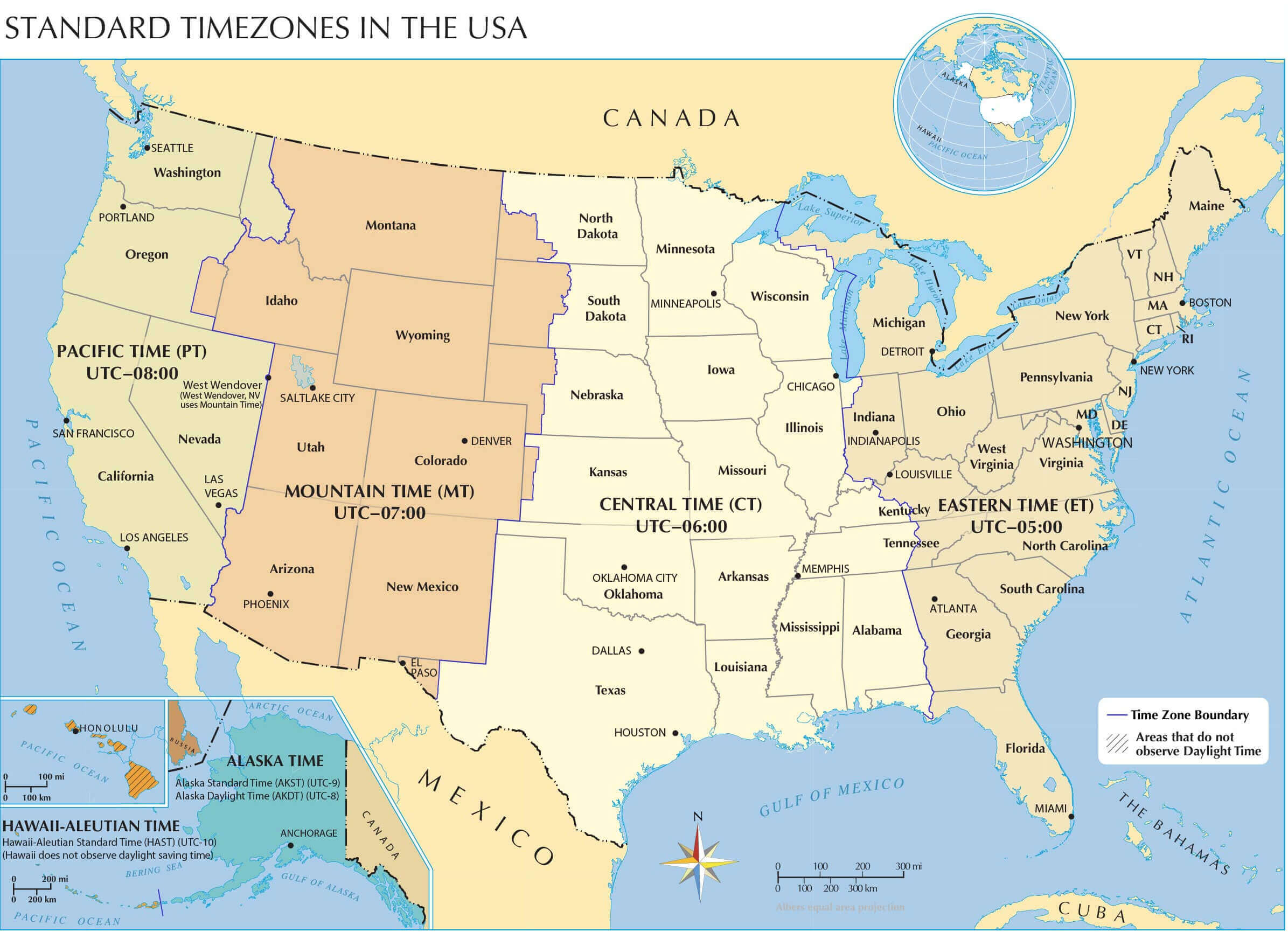
California’s Time Zone in a Broader Context
California’s time zone placement is not an isolated phenomenon. It is part of a larger temporal framework that connects it with neighboring states and influences its interactions with the rest of the world.
Connections with Neighboring States
California shares the Pacific Time Zone with Oregon, Washington, Nevada, and a portion of Idaho. This shared temporal alignment facilitates seamless travel and communication between these states. Driving from Las Vegas, Nevada, to Southern California, for example, involves no time adjustment, simplifying road trips and business travel. This synchronization is also beneficial for industries that operate across state lines, such as agriculture, logistics, and entertainment, where coordinated schedules are critical.
International Time Differences
The Pacific Time Zone’s position relative to Greenwich Mean Time (GMT) or Coordinated Universal Time (UTC) is crucial for international visitors and businesses. When California is on PST (UTC−8), it is eight hours behind UTC. During PDT (UTC−7), it is seven hours behind. This significant difference is a key factor for international travelers adjusting to local time and for businesses engaged in global commerce. For example, a resident of Tokyo, which is UTC+9, will find California to be a substantial 16 or 17 hours ahead. Understanding these time differentials is essential for booking international flights, arranging transatlantic or transpacific calls, and for navigating the globalized world from the sunny shores of California.
Maximizing Your California Experience Through Temporal Awareness
A nuanced understanding of California’s time zone, including the impact of Daylight Saving Time and geographical variations, is a valuable asset for any visitor. It moves beyond mere clock-watching to a strategic approach to experiencing the Golden State.
The Art of Scheduling for Optimal Enjoyment
Whether you are a seasoned traveler or a first-time visitor, thoughtful scheduling can elevate your trip. Consider booking tours that depart in the early morning to take advantage of cooler temperatures and fewer crowds, especially during the summer months when PDT extends daylight. Plan your visits to iconic landmarks like the Griffith Observatory to coincide with sunset, offering breathtaking panoramic views of Los Angeles. Evenings in California offer a wealth of activities, from enjoying a performance at a renowned theater in San Diego to experiencing the vibrant nightlife of San Francisco. By being mindful of the time, you can orchestrate your days to experience the best of what California has to offer, from its natural wonders to its bustling urban centers.
Adapting to Daylight Saving Time Shifts
The biannual shift to and from Daylight Saving Time is a small, yet significant, temporal adjustment. While generally seamless, it requires a brief recalibration of personal schedules. Visitors arriving just before or after these shifts may need to be particularly vigilant to avoid confusion. For example, if you have an early morning flight departing on the day DST ends, ensuring you’ve correctly adjusted your alarm can prevent missed connections. Similarly, if you are attending a conference, confirming the precise start times in local California time, accounting for DST, is always a prudent measure.

The Enduring Allure of California Time
Ultimately, California’s adherence to Pacific Standard and Daylight Time contributes to its distinct character. The extended daylight hours of summer invite a leisurely pace, encouraging exploration of its diverse attractions, from the beaches of Malibu to the wineries of the Central Coast. The crisp, shorter days of winter under PST offer a different charm, perfect for cozying up in a mountain cabin near Lake Tahoe or exploring the art galleries of San Francisco. Regardless of the season or the specific time designation, California’s temporal framework provides a reliable backdrop for unforgettable journeys and experiences within this vast and captivating state.
LifeOutOfTheBox is a participant in the Amazon Services LLC Associates Program, an affiliate advertising program designed to provide a means for sites to earn advertising fees by advertising and linking to Amazon.com. Amazon, the Amazon logo, AmazonSupply, and the AmazonSupply logo are trademarks of Amazon.com, Inc. or its affiliates. As an Amazon Associate we earn affiliate commissions from qualifying purchases.