
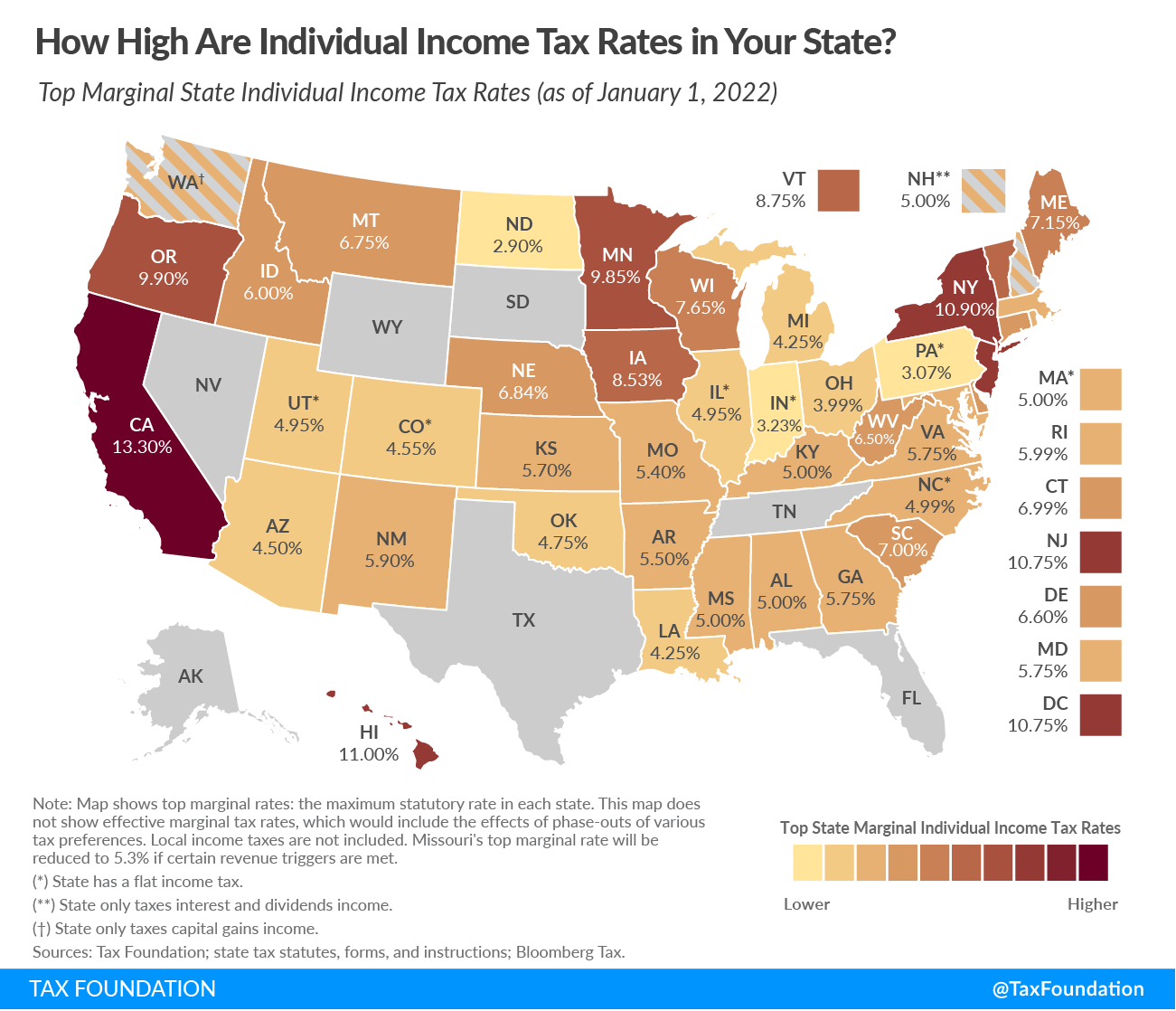
Florida, often lauded as a sun-drenched paradise and a premier destination for travelers and residents alike, holds a unique distinction among U.S. states regarding income taxation. For many seeking to relocate or simply plan an extended stay, understanding the financial landscape, particularly tax policies, is paramount. The question of “What Is Florida Tax On Income?” is a common one, and its answer is refreshingly straightforward: Florida does not have a state income tax.
This absence of a personal income tax is a significant draw for individuals and businesses, contributing to the state’s robust economic growth and its enduring appeal as a place to live, work, and visit. While this may seem like a simple fact, its implications ripple through various aspects of the state’s economy and influence the decision-making processes of many who engage with the Sunshine State, from retirees choosing a permanent home to tourists contemplating longer vacation rentals.
The Absence of a State Income Tax: A Cornerstone of Florida’s Financial Appeal
The fact that Florida levies no state income tax is not a recent development but a long-standing policy that has shaped its economic identity. This approach contrasts sharply with many other U.S. states that rely on personal income tax revenue to fund public services.
Historical Context and Rationale
Florida’s decision to forgo an income tax dates back decades. The rationale behind this policy is multifaceted, often centered on attracting investment and population growth. By offering a lower overall tax burden compared to states with income taxes, Florida aimed to become a more attractive place for businesses to establish headquarters and for individuals to retire or start new ventures.
- Economic Development: Proponents argue that the absence of income tax stimulates economic activity by allowing individuals and businesses to retain more of their earnings. This increased disposable income can then be reinvested in the local economy through spending, savings, and investment.
- Retirement Destination: For retirees, who often live on fixed incomes, the lack of state income tax is a major incentive. It allows their savings and pensions to stretch further, making retirement in Florida more financially feasible and appealing than in states with higher tax burdens.
- Population Influx: Over the years, Florida has experienced significant population growth, with many new residents migrating from states with high income taxes. This influx benefits the state’s workforce and consumer base.
Funding State Services: The Sales Tax Reliance
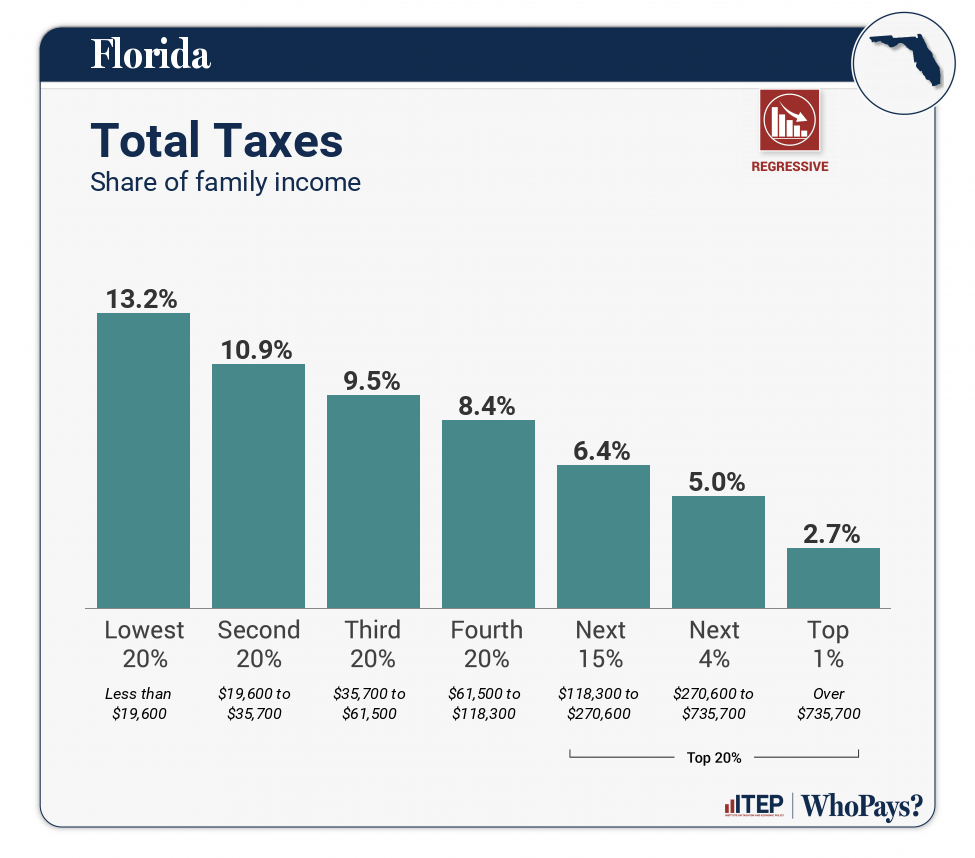
If Florida doesn’t collect income tax, how does it fund its extensive public services, from education and infrastructure to law enforcement and healthcare? The primary source of revenue for the Sunshine State is its sales tax, supplemented by property taxes and various other fees and excises.
- Sales Tax Structure: Florida levies a state sales tax of 6% on most retail sales. Many counties also impose local discretionary sales surtaxes, which can bring the total sales tax rate in some areas to 7% or even 8%. This tax applies to a wide range of goods and services, including everything from groceries and clothing to hotel stays and rental cars.
- Impact on Tourism: For visitors, this means that the cost of goods and services, including accommodation and dining, will include a sales tax component. While this might seem like an additional cost, it’s crucial to remember that this is the mechanism by which state services are funded, benefiting everyone within the state, including tourists who enjoy the state’s infrastructure and amenities.
- Property Taxes: Property taxes are another significant revenue source, levied by local governments (counties, cities, and special districts) on real estate. These taxes fund local services such as schools, police, and fire departments.
Implications for Travelers and Tourists
The absence of a state income tax in Florida has several direct and indirect implications for individuals considering visiting or staying in the state for extended periods.
Lowering the Cost of Extended Stays and Relocation
For those contemplating a longer vacation, a winter residency, or even a permanent move, the lack of income tax can significantly impact their financial planning.
- Retirement Planning: Retirees looking to make Florida their home often cite the absence of income tax as a primary reason for choosing the state. This allows their retirement savings, pensions, and Social Security benefits to provide a higher standard of living without the erosion of state income tax deductions. For instance, a retiree moving from a state like New York or California to Florida could see a substantial increase in their available income simply by eliminating state income tax obligations.
- Business Relocation: Entrepreneurs and businesses are also drawn to Florida‘s tax-friendly environment. The ability to reinvest profits or pay higher salaries without the added burden of state income tax can be a powerful incentive for relocation or expansion. This can lead to more job opportunities and a more vibrant economy, which indirectly benefits tourists through increased services and amenities.
- Second Homes and Vacation Properties: Owning a second home or a vacation property in Florida becomes more financially attractive when there’s no annual state income tax to worry about on rental income generated from the property (though federal taxes still apply). This can lead to a wider availability of rental options for tourists, from charming villas in Orlando to beachfront apartments in Miami.
Understanding the Sales Tax Component
While the absence of income tax is a significant advantage, travelers must be aware of the state’s reliance on sales tax.
- Budgeting for Purchases: When budgeting for a trip to Florida, it’s essential to factor in the sales tax on most purchases. This includes everything from souvenirs and dining out to car rentals and hotel stays. For example, a $200 hotel room in a county with an 8% total sales tax will actually cost $216 ($200 + $16 tax).
- Exemptions and Considerations: While most goods and services are subject to sales tax, there are some exemptions. For instance, many groceries are exempt, and certain essential services might have different tax treatments. It’s always wise to check local tax rates and any applicable exemptions when making significant purchases or planning expenditures.
Florida’s Tax Structure: A Broader Perspective
Beyond the personal income tax, it’s helpful to understand the broader framework of Florida‘s tax system to fully appreciate its financial model.
Sales Tax: The Primary Revenue Generator
As mentioned, the sales tax is the backbone of Florida‘s revenue system. The state continuously adapts its sales tax laws to ensure adequate funding for public services while remaining competitive.
- Taxable Goods and Services: The list of taxable items is extensive and includes tangible personal property, telecommunications services, transient rental lodging (hotel rooms), and admissions to entertainment venues. Certain services are also taxed.
- Impact on Local Economies: The sales tax directly fuels the economies of cities like Tampa, Jacksonville, and Fort Lauderdale by providing the revenue necessary for maintaining public infrastructure, parks, and recreational facilities that enhance the tourist experience.
Property Taxes: Local Funding Power
While not directly related to tourist spending in the same way as sales tax, property taxes are crucial for local governance and the services that support tourism.
- Local Control: Property taxes are levied and collected by local governments, giving them significant autonomy in funding essential services. This means that the quality of local services, from road maintenance to public safety, can vary somewhat from one county to another.
- Impact on Real Estate Investment: For individuals considering purchasing property in Florida, understanding local property tax rates is vital. These rates can influence the overall cost of homeownership and investment in real estate, whether for personal use or as a rental property.
Other Taxes and Fees
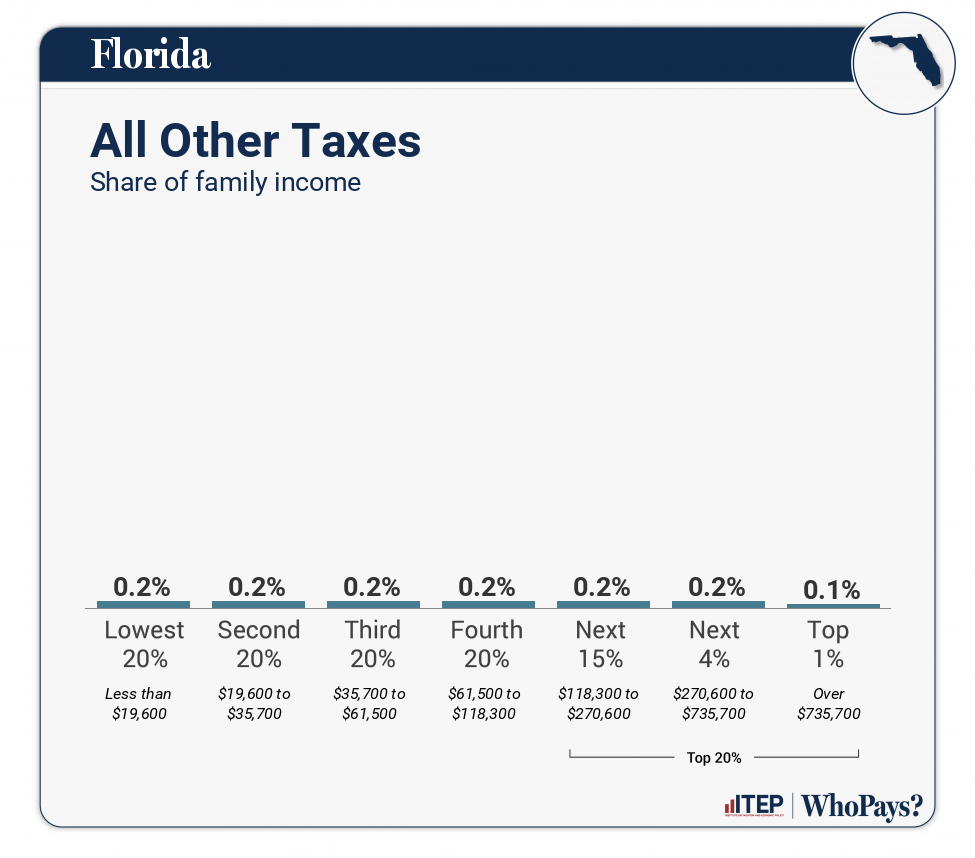
Florida also generates revenue through various other taxes and fees, including:
- Gasoline Taxes: Used to fund transportation infrastructure.
- Cigarette and Tobacco Taxes: Aimed at discouraging consumption and funding related health programs.
- Alcoholic Beverage Taxes: Similar to tobacco taxes, these contribute to state revenue.
- Business Taxes: While there is no corporate income tax in Florida, businesses are subject to various licensing fees, franchise taxes, and other regulatory charges.
Conclusion: A Tax-Smart Destination
In summary, the answer to “What Is Florida Tax On Income?” is simple: there isn’t one. This defining characteristic makes the Sunshine State a uniquely attractive destination for tourists, retirees, and businesses. While visitors will encounter sales taxes on their purchases, the absence of a state income tax often translates to more disposable income for extended stays, investments, and the overall enjoyment of Florida‘s diverse attractions, from the theme parks of Orlando to the beaches of the Florida Keys. Understanding this tax structure is a key step in planning any venture into this vibrant and economically dynamic state.
LifeOutOfTheBox is a participant in the Amazon Services LLC Associates Program, an affiliate advertising program designed to provide a means for sites to earn advertising fees by advertising and linking to Amazon.com. Amazon, the Amazon logo, AmazonSupply, and the AmazonSupply logo are trademarks of Amazon.com, Inc. or its affiliates. As an Amazon Associate we earn affiliate commissions from qualifying purchases.