
Understanding Abortion Access in the Lone Star State
Navigating reproductive healthcare decisions can be complex, particularly when geographical and legal landscapes shift. For individuals in Texas, understanding the current accessibility of abortion services is paramount. This guide aims to provide a clear overview of the legal framework, available options, and critical considerations for those seeking abortion care within the state.
The Legal Landscape of Abortion in Texas
Texas has enacted some of the most restrictive abortion laws in the United States. Following the overturning of Roe v. Wade, the state’s trigger law went into effect, effectively banning most abortions. This legislation prohibits abortion from the moment of fertilization, with very limited exceptions.

The Trigger Ban and Its Implications
Texas’s trigger law, enacted in anticipation of the Supreme Court’s decision, declared abortion illegal with the exception of medical necessity to save the life of the pregnant person or prevent substantial impairment of a major bodily function. This means that elective abortions, or those sought for reasons of personal circumstances, are prohibited. The law imposes severe penalties on physicians who perform abortions outside of these narrow exceptions, including significant fines and lengthy prison sentences.
Understanding Medical Exceptions
The medical exceptions to the trigger ban are a critical point of discussion and often a source of confusion and fear for both patients and healthcare providers. The language used in the law is deliberately stringent, requiring a physician to make a life-saving determination. This has led to situations where patients experiencing dangerous but not immediately life-threatening pregnancy complications have faced delays in receiving necessary medical care, including abortion. The fear of legal repercussions can cause physicians to hesitate, potentially exacerbating medical risks.
Legal Challenges and Evolving Status
While the trigger ban is currently in effect, legal challenges to various abortion restrictions in Texas are ongoing. Courts may interpret or modify the application of these laws, leading to potential shifts in access. It is crucial for individuals seeking information to stay informed about the latest legal developments, which can be difficult to track due to the rapid pace of litigation. Advocacy groups and legal organizations often provide updated information on their websites.
Navigating Options for Abortion Access
Given the stringent legal environment in Texas, individuals seeking abortion services face significant challenges. However, several avenues exist, although they may require considerable planning and resources.
Traveling Out of State for Abortion Care
The most common and legally secure option for individuals in Texas seeking an abortion is to travel to a state where abortion is legal. Several neighboring states, such as New Mexico, Colorado, and Kansas, continue to allow abortion services. Traveling to these locations involves costs associated with transportation, accommodation, and the procedure itself.
Planning Your Travel
- Research Clinics: Identifying clinics in states with protected abortion access is the first step. Websites of national reproductive health organizations can provide directories of these clinics.
- Logistics: Consider travel time, potential overnight stays, and the need for a support person. Clinics often have specific protocols regarding follow-up care, which may require remaining in the travel destination for a short period.
- Financial Assistance: Numerous abortion funds and practical support organizations exist to help individuals cover the costs of travel, lodging, and the procedure. These organizations are vital resources for many seeking abortion care outside of Texas.
Medication Abortion via Telehealth and Mail (with caveats)
The landscape of medication abortion, particularly through telehealth and mail delivery, is complex in Texas due to legal restrictions. While some individuals may attempt to access abortion pills from sources outside the United States or through online pharmacies, this carries significant legal risks within Texas and potential safety concerns regarding the authenticity and quality of the medications.
Legal Risks of Obtaining Medication Abortion Remotely
Texas law has specific provisions that can criminalize the possession or use of abortion-inducing drugs obtained in violation of state law. Therefore, relying on remote access for medication abortion within Texas is fraught with legal peril.
Safety and Efficacy Concerns
The sourcing of abortion pills outside of regulated medical channels can lead to obtaining counterfeit or substandard medications, posing serious health risks. Reputable healthcare providers ensure the safety and efficacy of the medications they prescribe.
Legal Protections and Rights (Limited)
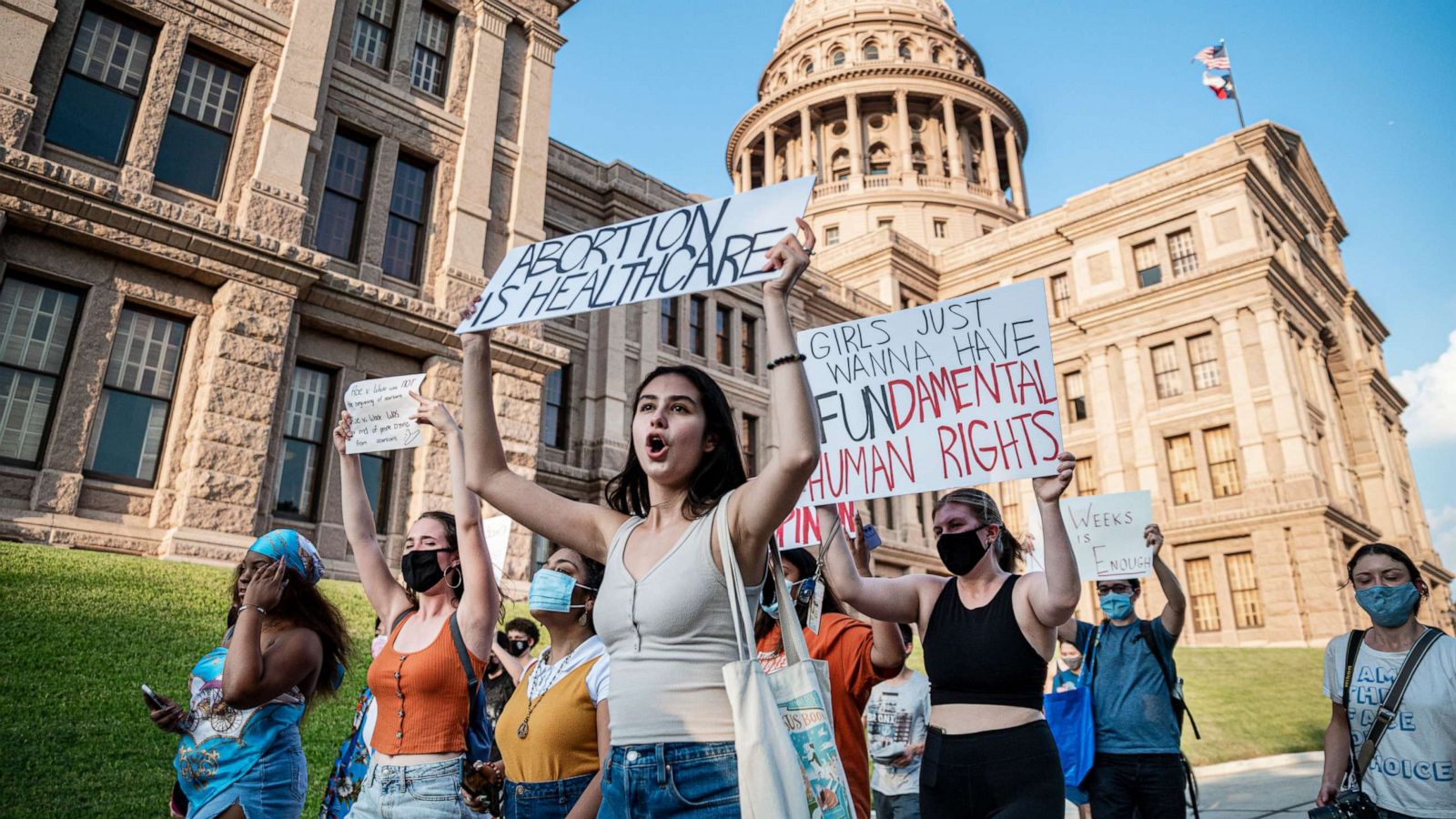
It is essential to understand that within Texas, legal protections for abortion access are extremely limited under current laws. However, understanding what legal recourse might exist, even in narrow circumstances, is important.
Reporting and Legal Action
Individuals who believe their reproductive rights have been violated or who are facing undue burdens due to restrictive laws may seek information from legal advocacy groups. These organizations can provide guidance on potential legal avenues, although successful challenges to the current strict laws are difficult.
Support Systems and Resources
Navigating abortion access in Texas can be an isolating and stressful experience. Fortunately, a network of support organizations exists to assist individuals through this process.
Abortion Funds and Practical Support Networks
These organizations are invaluable, often providing financial assistance for the procedure, travel, lodging, and other logistical needs. They can also offer emotional support and connect individuals with resources for childcare or time off work. Examples of such funds can be found through national abortion access directories.
Healthcare Provider Consultations (with caution)
While direct abortion services are heavily restricted in Texas, consulting with healthcare providers, particularly those familiar with reproductive health in restrictive environments, can still be beneficial for understanding medical options and potential risks. However, patients should be aware of the legal limitations and the potential hesitancy of providers to discuss abortion due to legal ramifications.
Legal Aid and Advocacy Groups
Organizations focused on reproductive rights and legal advocacy can offer crucial information regarding the current legal status of abortion in Texas, potential legal challenges, and the rights of individuals seeking reproductive healthcare. They are essential resources for understanding the ever-evolving legal landscape.

Frequently Asked Questions About Abortion in Texas
Q1: Can I get an abortion at any clinic in Texas?
A1: No. Abortion is banned in Texas from fertilization, with very narrow exceptions to save the life of the pregnant person or prevent substantial impairment of a major bodily function. Performing an abortion outside these exceptions carries severe legal penalties for the provider.
Q2: What are my options if I am pregnant and live in Texas?
A2: The primary option for legally obtaining an abortion is to travel to a state where abortion is permitted. Numerous organizations can help with the logistical and financial aspects of this travel. Seeking information about medication abortion from out-of-state providers is also an option, but carries significant legal risks if the medications are brought into or used in Texas in violation of state law.
Q3: Are there any exceptions to the abortion ban in Texas?
A3: Yes, the law provides exceptions for medical emergencies where abortion is necessary to save the life of the pregnant person or to prevent substantial impairment of a major bodily function. These exceptions are interpreted very narrowly.
Q4: How can I find financial assistance for abortion care if I need to travel?
A4: There are many abortion funds and practical support organizations that offer financial and logistical assistance for individuals needing to travel out of state for abortion care. Searching for “abortion funds” or “practical support for abortion” will yield a list of relevant organizations.
Q5: What are the legal risks of seeking abortion medication online or from unofficial sources in Texas?
A5: Obtaining abortion-inducing drugs outside of a physician’s prescription in Texas can carry significant legal risks for the individual possessing or using them, as well as potential health risks from unregulated medications.
In conclusion, while abortion access is severely restricted in Texas, individuals seeking this care are not without options. Understanding the legal framework, leveraging available support networks, and planning meticulously for out-of-state travel are crucial steps in navigating reproductive healthcare decisions within the current legal environment.
LifeOutOfTheBox is a participant in the Amazon Services LLC Associates Program, an affiliate advertising program designed to provide a means for sites to earn advertising fees by advertising and linking to Amazon.com. Amazon, the Amazon logo, AmazonSupply, and the AmazonSupply logo are trademarks of Amazon.com, Inc. or its affiliates. As an Amazon Associate we earn affiliate commissions from qualifying purchases.