
Florida, often celebrated for its sun-drenched beaches and vibrant theme parks, harbors a powerful, yet sometimes understated, economic engine: its agriculture. Beyond the tourist trails and bustling cities lies a verdant landscape that consistently ranks among the top agricultural states in the United States. The Sunshine State’s diverse climate, fertile soils, and innovative farming practices contribute to a rich tapestry of crops and livestock, profoundly impacting both local economies and national food supplies. Understanding the scope and significance of Florida agriculture offers a deeper appreciation for the state’s multifaceted identity, extending far beyond its famed recreational attractions.

A Diverse Agricultural Landscape
The agricultural output of Florida is remarkably varied, a testament to its subtropical climate and the ingenuity of its farmers. From the citrus groves that define its iconic image to an expanding array of vegetables, fruits, and ornamental plants, the state’s farms are crucial to America’s produce basket. This diversity is not accidental; it is the result of strategic planning, adaptation to local conditions, and a commitment to horticultural excellence. The state’s unique geographic position also allows for year-round production of many crops, a significant advantage in the competitive agricultural market.
Citrus: The Sunshine State’s Golden Crop
For decades, Florida has been synonymous with citrus. Oranges, in particular, have long been the state’s signature crop, forming the backbone of its agricultural identity. The sweet, juicy oranges grown here are primarily used for juice production, with Florida orange juice being a staple in households across the United States. Grapefruit, tangerines, and other citrus varieties also thrive in the state’s warm climate, contributing to a significant portion of the nation’s supply.
The industry, however, has faced considerable challenges in recent years. The devastating impact of citrus greening disease, a bacterial infection that renders fruit inedible and eventually kills trees, has significantly reduced yields and forced many growers to adapt their strategies. In response, researchers and farmers are exploring disease-resistant varieties, improved pest management techniques, and diversification into other crops. Despite these hurdles, citrus remains a vital component of Florida‘s agricultural economy, with ongoing efforts to ensure its future.
Beyond Citrus: A Cornucopia of Produce
While citrus holds a special place, Florida‘s agricultural bounty extends far beyond. The state is a leading producer of a wide range of vegetables and fruits, particularly during the cooler winter months when many northern states are dormant.
- Vegetables: Florida is a major supplier of tomatoes, bell peppers, cucumbers, and green beans to the national market. The fertile soils of the Everglades region, once a vast swampland, have been transformed into highly productive agricultural land, renowned for its vegetable cultivation. Other key vegetable crops include potatoes, sweet corn, and watermelons.
- Fruits: Beyond citrus, Florida cultivates an impressive variety of other fruits. Strawberries, especially those grown in Plant City, are a popular seasonal treat. Tropical and subtropical fruits like avocados, mangoes, papayas, and guavas also find a thriving environment, showcasing the state’s climatic advantages. The burgeoning agritourism industry often highlights these less common, yet equally delicious, fruits.
- Nursery and Ornamental Plants: The production of ornamental plants, trees, and shrubs is another significant sector. Florida‘s climate is ideal for growing a vast array of landscaping materials, supplying nurseries and garden centers across the Southeast and beyond. This industry plays a crucial role in beautifying residential and commercial spaces.
Livestock and Aquaculture
Agriculture in Florida is not solely about crops. The state also boasts a significant presence in the livestock industry and a growing aquaculture sector.
Cattle Ranching
Florida‘s cattle industry has a long history, dating back to the Spanish colonial era. Today, the state is home to hundreds of thousands of beef cattle, primarily grazing on the vast ranches that dot the central and northern parts of the state. Florida cattle are known for their quality, and the industry contributes substantially to local economies and the national beef supply.
Aquaculture
Aquaculture, the farming of aquatic organisms, is an increasingly important facet of Florida‘s agricultural landscape. The state’s abundant freshwater resources and coastal proximity make it well-suited for raising various species.

- Freshwater Aquaculture: Catfish, tilapia, and ornamental fish are commonly farmed in freshwater systems. These operations provide both food and decorative species for markets.
- Marine Aquaculture: Efforts are underway to expand marine aquaculture, focusing on species like shrimp, oysters, and various finfish. This sector holds considerable promise for sustainable seafood production.
Innovation and Sustainability in Florida Agriculture
The agricultural sector in Florida is not static; it is a dynamic industry constantly adapting to new challenges and embracing innovation.
Technological Advancements
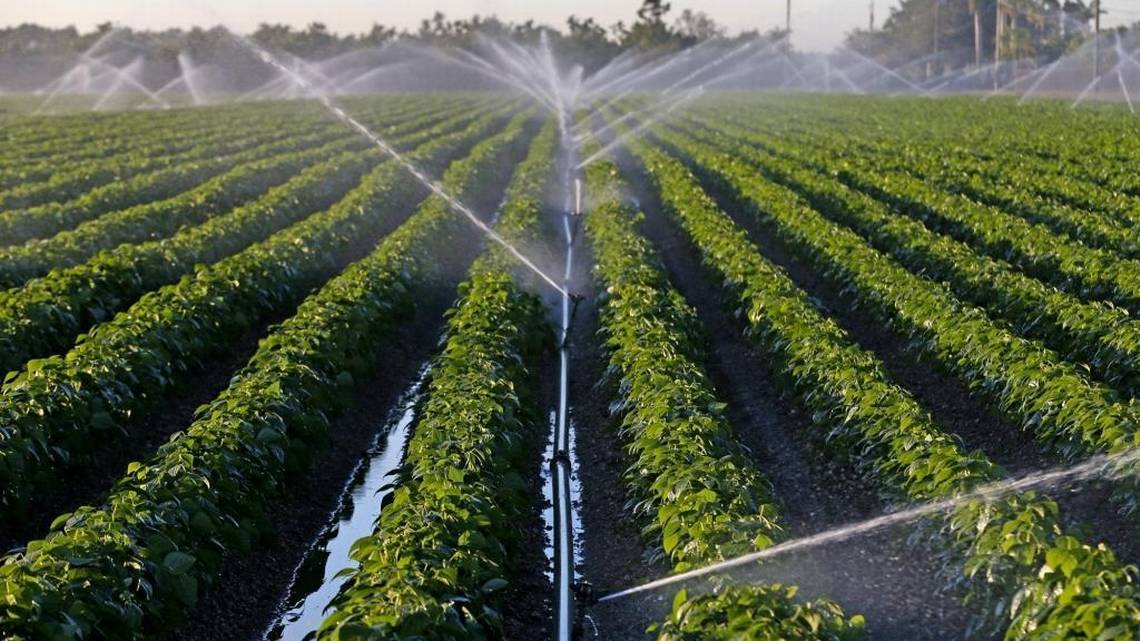
Florida farmers are at the forefront of adopting new technologies to enhance efficiency and sustainability. This includes precision agriculture techniques that utilize GPS, sensors, and drones to optimize resource use, such as water and fertilizers. Advanced irrigation systems help conserve water, a critical resource in the state. Research institutions, such as the University of Florida IFAS Extension, play a vital role in developing and disseminating these innovations to farmers.
Sustainable Practices
With growing environmental awareness, Florida‘s agriculture is increasingly focused on sustainable practices. This includes integrated pest management (IPM) strategies that minimize the use of chemical pesticides, soil conservation methods to prevent erosion, and water management initiatives aimed at protecting water quality. Many farms are also exploring organic farming methods and renewable energy sources to reduce their environmental footprint.
The Economic and Cultural Impact
The economic contribution of agriculture to Florida is substantial. It is a multi-billion dollar industry that provides employment for thousands of residents, supports numerous related businesses, and contributes significantly to the state’s gross domestic product. Beyond its economic might, agriculture is deeply woven into the cultural fabric of Florida.
Agritourism
The rise of agritourism has allowed Florida to showcase its agricultural heritage to visitors. Farms across the state offer opportunities for people to pick their own produce, tour facilities, and learn about farming firsthand. From strawberry festivals in Plant City to pumpkin patches in the fall and citrus grove tours, agritourism provides a unique way for tourists to connect with the land and its products. This symbiotic relationship between tourism and agriculture allows both sectors to thrive.
Farm-to-Table Movement
The burgeoning farm-to-table movement in Florida has also amplified the importance of local agriculture. Restaurants and consumers are increasingly seeking out fresh, locally sourced ingredients, creating a direct link between farmers and their communities. This trend not only supports local farmers but also promotes healthier eating and reduces the carbon footprint associated with long-distance food transportation.
Challenges and the Future of Florida Agriculture
Despite its strengths, Florida agriculture faces persistent challenges. Climate change, with its potential for extreme weather events, water scarcity, and shifting growing seasons, poses a significant threat. The ongoing battle against agricultural pests and diseases, like citrus greening, demands continuous vigilance and innovation. Urban sprawl also continues to encroach on valuable farmland, presenting a constant pressure on agricultural land use.
However, the future of Florida agriculture remains promising. The state’s commitment to research and development, coupled with the resilience and adaptability of its farmers, positions it well to overcome these obstacles. Diversification into new crops, expansion of aquaculture, and continued embrace of sustainable and technological advancements will be key to its long-term success. As Florida continues to grow and evolve, its agricultural sector will undoubtedly remain a vital, vibrant, and essential part of its identity and economy.
LifeOutOfTheBox is a participant in the Amazon Services LLC Associates Program, an affiliate advertising program designed to provide a means for sites to earn advertising fees by advertising and linking to Amazon.com. Amazon, the Amazon logo, AmazonSupply, and the AmazonSupply logo are trademarks of Amazon.com, Inc. or its affiliates. As an Amazon Associate we earn affiliate commissions from qualifying purchases.