
Obtaining a learner’s permit is a crucial first step for any aspiring driver in Colorado. This initial license signifies a new level of independence and responsibility, opening the door to the freedom of the open road. For young drivers and their parents alike, navigating the process can seem daunting, but with a clear understanding of the requirements and a structured approach, securing this permit becomes a manageable and exciting milestone. This guide aims to demystify the journey, providing a comprehensive roadmap to successfully acquiring your learner’s permit in the Centennial State.
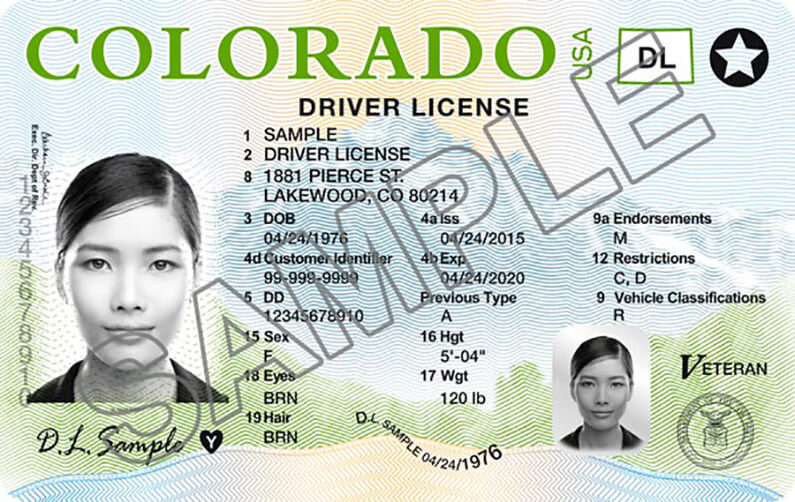
Understanding the Colorado Learner’s Permit Requirements
The process for obtaining a learner’s permit in Colorado is designed to ensure that new drivers are well-prepared before they are allowed to operate a motor vehicle. The primary governing body for driver licensing in the state is the Colorado Division of Motor Vehicles (DMV), which outlines specific age, documentation, and testing criteria.
Age Restrictions
The minimum age to apply for a learner’s permit in Colorado is 15 years old. However, there are different pathways and requirements depending on whether the applicant is under 16 or 16 years of age or older.
- Under 16 Years Old: Applicants who are under 16 must be enrolled in or have completed an approved driver education program. This program typically includes both classroom instruction and behind-the-wheel training. The aim is to provide a foundational understanding of driving laws, vehicle operation, and safety principles before an individual begins unsupervised driving practice.
- 16 Years Old or Older: While the age requirement is 15, individuals who are 16 or older have a slightly different path. They are not strictly required to complete a formal driver education program before applying for a permit, though it is highly recommended. They will still need to meet all other documentation and testing requirements.
Documentation Needed
To prove identity, legal presence, residency, and social security number, applicants must present a specific set of documents to the Colorado DMV. It is essential to gather these documents in advance to avoid delays.
- Proof of Identity: This typically includes original or certified copies of a birth certificate, a U.S. passport, or a Certificate of Citizenship.
- Proof of Legal Presence: Similar to identity documents, a U.S. birth certificate, U.S. passport, or Certificate of Citizenship will suffice.
- Proof of Colorado Residency: Two separate documents are required to demonstrate residency. Examples include utility bills, bank statements, rental agreements, or school records, all showing the applicant’s name and Colorado address.
- Proof of Social Security Number: A Social Security card, W-2 form, or pay stub with the applicant’s full name and Social Security number is generally accepted.
- Proof of Name Change (if applicable): If the applicant’s current name differs from the name on their birth certificate or other identity documents, they will need to provide legal documentation of the name change, such as a marriage certificate or court order.
It is crucial to check the official Colorado DMV website for the most up-to-date list of acceptable documents, as requirements can occasionally change. All documents must be originals or certified copies; photocopies are typically not accepted.
The Driver Education Component
For younger applicants, the driver education component is a mandatory and invaluable part of the learning process. This structured training provides the essential knowledge and skills needed for safe driving.
Approved Driver Education Programs
Colorado mandates that applicants under 16 years of age complete a driver education program from a state-approved provider. These programs are designed to cover a broad spectrum of topics, including:
- Traffic Laws and Regulations: Understanding speed limits, right-of-way rules, traffic signals, and signage.
- Vehicle Operation: Basic controls, starting and stopping, steering, and maneuvering.
- Defensive Driving Techniques: Anticipating hazards, maintaining safe following distances, and avoiding common driving errors.
- Consequences of Impaired Driving: The dangers and legal ramifications of driving under the influence of alcohol or drugs.
- Safe Driving Practices: Seatbelt use, distractions, and road sharing with other users.
Driver education programs typically consist of a minimum number of classroom hours and behind-the-wheel training sessions. Upon successful completion, students receive a certificate of completion, which must be presented to the DMV when applying for the learner’s permit.
Choosing a Driver Education Provider
Selecting a reputable driver education provider is important. Families should look for schools that are licensed by the state and employ certified instructors. Researching reviews and asking for recommendations from friends or family can help in making an informed decision. Some popular options include local driving schools, community colleges, and even some high schools that offer such programs.
The Knowledge Test
A significant hurdle in obtaining a learner’s permit is passing the knowledge test, also known as the written test. This examination assesses an applicant’s understanding of Colorado‘s traffic laws, road signs, and safe driving practices.
Preparing for the Knowledge Test
Effective preparation is key to success on the knowledge test. The most valuable resource for studying is the official Colorado Driver Handbook. This comprehensive guide contains all the information necessary to pass the exam. Applicants should:

- Read the Handbook Thoroughly: Pay close attention to sections on traffic laws, road signs, and safe driving practices.
- Utilize Practice Tests: Many websites and driver education providers offer practice knowledge tests that mimic the format and content of the actual DMV exam. These are excellent tools for identifying areas that need further review.
- Understand Road Signs: Familiarize yourself with the shapes, colors, and meanings of various traffic signs, as these are a significant part of the test.
- Focus on Key Concepts: Understand rules regarding speed limits, yielding, passing, parking, and emergency situations.
Taking the Knowledge Test
The knowledge test is administered at Colorado DMV offices. It is typically a computerized test consisting of multiple-choice questions. Applicants will need to achieve a passing score, which is usually around 80%, although the exact percentage can vary.
- Test Format: The test usually has between 20 and 30 questions.
- Language Options: In Colorado, the knowledge test is available in English and Spanish.
- Results: You will typically receive your test results immediately after completion. If you do not pass, you will need to wait a specified period before retaking the test.
The Vision Test and Application Process
In addition to the knowledge test, applicants must also pass a vision screening and complete the official application for a learner’s permit.
The Vision Test
A critical component of safe driving is having adequate vision. The Colorado DMV requires all applicants to pass a vision test to ensure they can see road signs, other vehicles, and pedestrians clearly.
- Requirements: The test typically requires you to read letters from a chart at a specified distance. The minimum visual acuity standard is usually 20/40 in at least one eye, with or without corrective lenses.
- Corrective Lenses: If you wear glasses or contact lenses for distance vision, you will be required to wear them while driving, and a restriction will be placed on your permit.
- Preparation: If you have known vision problems, it is advisable to visit an eye doctor for a check-up before your DMV appointment.
Completing the Application Form
The official application form, often referred to as the “Driver License Application,” can sometimes be downloaded and filled out in advance from the Colorado DMV website. This can save time during your appointment. You will need to provide accurate personal information, including your name, address, date of birth, and Social Security number.
Scheduling Your Appointment and Visiting the DMV
It is highly recommended to schedule an appointment at your local Colorado DMV office. Appointments can usually be made online through the Colorado Department of Revenue website. Walk-in services may be available but can involve significantly longer wait times.
During your visit, you will submit your completed application, present all required documentation, pay the applicable fees, take the vision test, and complete the knowledge test. Once all requirements are met and passed, you will be issued your learner’s permit.
Post-Permit Responsibilities and Next Steps
Receiving your learner’s permit is an exciting achievement, but it comes with significant responsibilities and dictates the next stages of your driving education.
Driving Restrictions with a Learner’s Permit
A learner’s permit is not a license to drive unsupervised. There are specific restrictions in place to ensure the safety of permit holders and the public. In Colorado, these restrictions typically include:
- Supervision: The permit holder must be accompanied by a licensed driver who is at least 21 years old and holds a valid driver’s license. This supervising driver must sit in the front passenger seat.
- Curfew: For drivers under 18 years of age, there are often restrictions on driving during certain late-night hours, particularly for those holding an intermediate license. While permit holders do not always have a strict curfew, it’s wise to understand the progressive licensing stages.
- Passenger Limits: There may be limitations on the number of passengers a permit holder can have in the vehicle, especially if they are under 18.
- Prohibited Activities: Driving is generally prohibited under the influence of alcohol or drugs, and seatbelt use is mandatory for all occupants.

The Road Ahead: Towards a Driver’s License
The learner’s permit is a stepping stone to a full driver’s license. In Colorado, this is achieved through a graduated driver licensing (GDL) system, which is designed to gradually introduce new drivers to the complexities of driving.
- Minimum Holding Period: Permit holders must hold their learner’s permit for a minimum period, typically six months, before they can apply for an intermediate license.
- Practice Driving Hours: A specific number of supervised driving hours are required, including a certain number of hours driven at night. This logged practice allows new drivers to gain experience in various driving conditions.
- The Road Skills Test: After meeting the holding period and practice hour requirements, the next step is to schedule and pass the road skills test (driving test). This test evaluates the applicant’s ability to safely operate a vehicle in real-world driving scenarios.
Successfully obtaining a learner’s permit in Colorado is a rewarding process that marks the beginning of a lifelong journey of responsible driving. By understanding the requirements, preparing diligently, and adhering to the rules, aspiring drivers can confidently navigate this essential milestone.
LifeOutOfTheBox is a participant in the Amazon Services LLC Associates Program, an affiliate advertising program designed to provide a means for sites to earn advertising fees by advertising and linking to Amazon.com. Amazon, the Amazon logo, AmazonSupply, and the AmazonSupply logo are trademarks of Amazon.com, Inc. or its affiliates. As an Amazon Associate we earn affiliate commissions from qualifying purchases.