
The digital landscape is awash with information, and discerning fact from fiction, especially when it comes to businesses, can be a challenging endeavor. In recent times, the name “M Tex Oil” has surfaced in various online discussions, prompting a fundamental question: Is M Tex Oil a real company? This article delves into the available information to shed light on the existence and potential operations of M Tex Oil, focusing on its implications within the broader context of the Travel industry, where such entities might offer niche services or partnerships.
Exploring the Digital Footprint of M Tex Oil
Investigating the legitimacy of any company begins with its digital presence. A robust online footprint typically includes a professional website, active social media profiles, and credible listings on business directories. The absence or vagueness of these elements can raise immediate red flags.
Website and Official Information
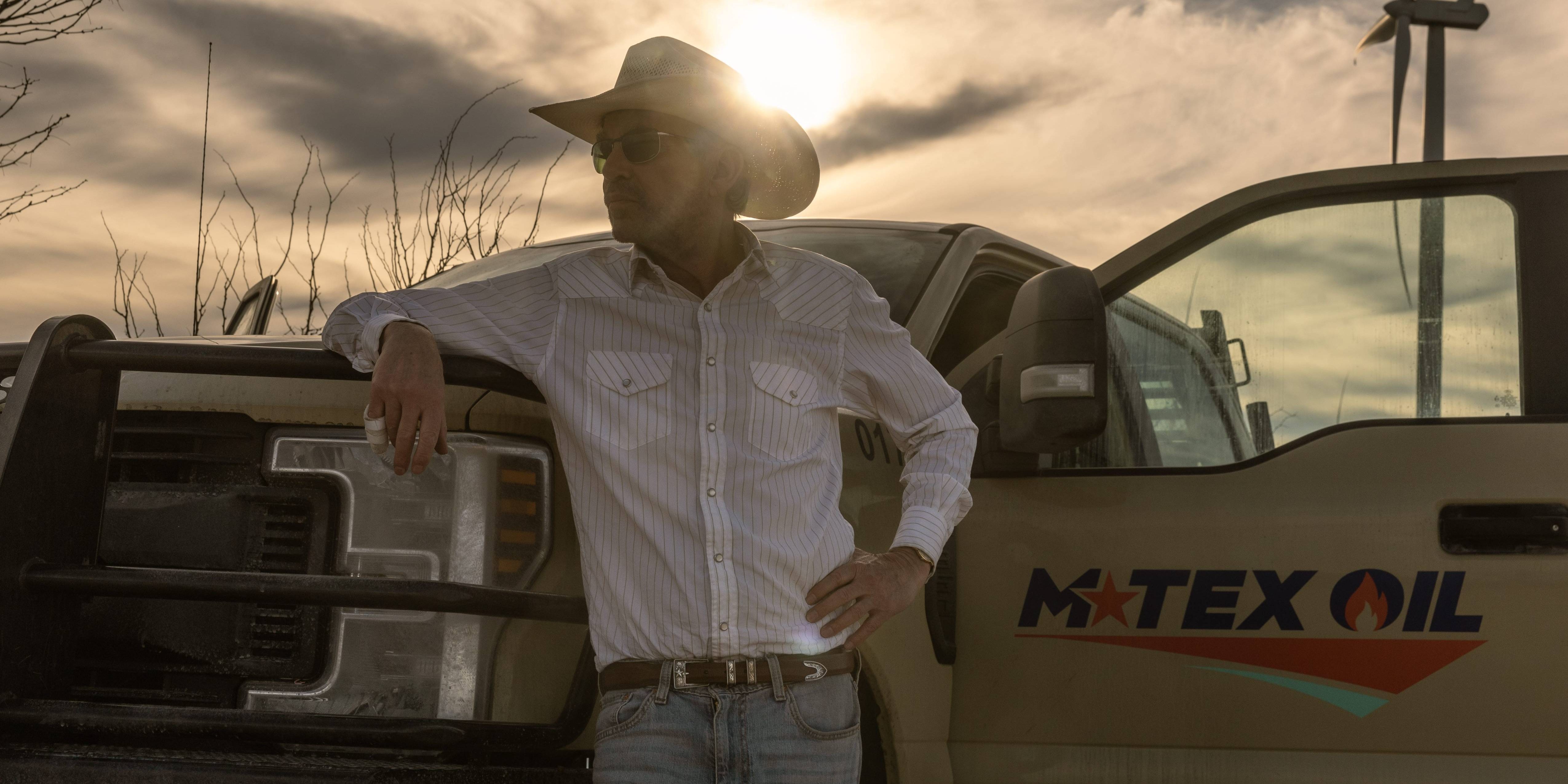
A definitive indicator of a real company is a functional, informative website. This should ideally detail its services, contact information, history, and leadership. Searches for an official website belonging to “M Tex Oil” have yielded inconsistent or non-existent results, making it difficult to ascertain its operational status or the scope of its business. Without a centralized, official source of information, potential clients or partners are left to rely on anecdotal evidence or third-party mentions, which are inherently less reliable.
Social Media and Online Mentions
Companies often leverage social media platforms like LinkedIn, Facebook, or X (formerly Twitter) to engage with their audience, announce developments, and provide customer support. A thorough review of these platforms for “M Tex Oil” has not revealed any verifiable corporate profiles or consistent activity that would suggest a legitimate, active business. Occasional mentions in forums or unrelated discussions lack the structured engagement expected from a real company.
Potential Connections to the Travel Industry
While the name “M Tex Oil” might initially suggest a primary focus on the oil and gas sector, its emergence in discussions related to travel necessitates an exploration of potential tangential connections. Companies, particularly those with significant logistical or resource-based operations, can sometimes diversify or partner with entities in the travel sphere.
Niche Travel Services and Partnerships
It’s conceivable that “M Tex Oil,” if it were a real entity, could be involved in the travel industry in a specialized capacity. This might include:
- Corporate Travel Management: For a company with a global or significant domestic workforce, managing employee travel, especially for assignments in remote or resource-rich areas, could be a core function. This might involve contracting with travel agencies or developing in-house travel solutions.
- Logistics for Remote Expeditions: Certain travel experiences, particularly adventure tourism or scientific expeditions to remote locations, require robust logistical support, including transportation and accommodation in challenging environments. A company with experience in resource extraction might possess the infrastructure or expertise to facilitate such operations.
- Sponsorships and Brand Partnerships: Larger corporations sometimes engage in sponsorships of travel-related events, destinations, or even documentaries. The name “M Tex Oil” might have appeared in such contexts, leading to confusion about its direct involvement in travel operations.
- Specialized Transportation: If “M Tex Oil” indeed deals with the movement of goods or personnel, it might operate its own fleet of vehicles, aircraft, or even marine vessels. This could, in turn, offer specialized transportation services that could be leveraged by the travel industry, such as charter flights to remote lodges or specialized ground transport for expeditions.
The Hypothetical Scenario

If M Tex Oil were a legitimate company with operations that intersected with travel, it would likely be in a supporting role rather than as a direct provider of tourist packages or hospitality services. For instance, imagine a scenario where M Tex Oil operates a fleet of robust off-road vehicles used for exploration in regions like the Altai Mountains or the Andes. Tour operators specializing in extreme adventure travel might then contract with M Tex Oil for the use of these vehicles and their experienced drivers, offering unique travel experiences to their clients. Similarly, if M Tex Oil had significant land holdings in areas with natural beauty or historical significance, they might, in partnership with local tourism boards, develop eco-lodges or guided tours that highlight the unique aspects of their properties, such as the Galápagos Islands or the Amazon Rainforest.
However, without concrete evidence of such operations or partnerships, these remain speculative. The lack of a clear business model or service offering related to travel makes it difficult to place M Tex Oil definitively within the industry.
Scrutinizing Business Registrations and Legal Standing
Beyond online presence, the legal registration of a company is a critical determinant of its legitimacy. Official government business registries in the relevant jurisdictions should confirm its existence.
Company Registration Databases
Most countries maintain public databases where companies are required to register. Searching these databases for “M Tex Oil” would be a crucial step. If the company is registered, details such as its registered address, directors, and incorporation date should be available. The absence of such a registration in known business registries would strongly suggest that the entity is not a legally recognized company. This is particularly important for international operations, where different countries have distinct registration requirements.
Regulatory Compliance and Licenses
Legitimate businesses, especially those operating in sectors with environmental or safety regulations, must obtain specific licenses and adhere to compliance standards. If “M Tex Oil” were involved in any aspect of resource management or large-scale logistics, it would likely be subject to numerous regulations. The lack of any reported compliance issues or the need for specific permits related to its purported activities further adds to the ambiguity.
The Ambiguity Surrounding “M Tex Oil”
The persistent question of whether “M Tex Oil” is a real company highlights the challenges of verifying corporate identity in the digital age. While the name itself might evoke associations with the energy sector, its appearance in conversations that could touch upon travel logistics or specialized services necessitates a thorough investigation.
Public Perception and Unsubstantiated Claims
It is possible that “M Tex Oil” exists as a very small, private entity with minimal public interaction, or perhaps as a subsidiary or a holding company whose primary operations are not publicly visible. Alternatively, it could be a name used in a fictional context, a misunderstanding, or even a fraudulent operation attempting to create a semblance of legitimacy. In the absence of verifiable information from official sources, public perception can be easily shaped by unsubstantiated claims or misinformation. This can be particularly problematic in the travel sector, where trust and transparency are paramount for booking accommodations, tours, or transportation. Travelers often rely on reviews and official company information to make informed decisions, and a company with an opaque presence risks being perceived as unreliable or non-existent.
Distinguishing Between Legitimate Entities and Misinformation
When encountering a company name like “M Tex Oil,” especially when its direct connection to a specific industry like travel is unclear, a diligent approach is necessary. This involves cross-referencing information from multiple credible sources, looking for official documentation, and being wary of claims made on unverified platforms. For the travel industry specifically, if a company claims to offer services or partnerships related to unique destinations or experiences, rigorous verification is essential. For example, if “M Tex Oil” were to claim involvement in facilitating travel to the Peruvian Amazon or providing logistical support for expeditions to Antarctica, travelers would need to see official endorsements, partnership agreements, or demonstrable operational history before considering any such association.
In conclusion, based on the available public information and the lack of a verifiable digital or legal footprint, it remains uncertain whether “M Tex Oil” is a real company. If it does exist, its operations and any potential connections to the travel industry are not widely or transparently communicated, making it difficult to assess its legitimacy or relevance. Travelers and businesses alike should exercise caution and seek definitive proof of existence and operational capability before engaging with any entity that lacks a clear and verifiable presence. The pursuit of authentic and reliable travel experiences necessitates transparency from all involved parties, and “M Tex Oil” currently falls short of providing that.
LifeOutOfTheBox is a participant in the Amazon Services LLC Associates Program, an affiliate advertising program designed to provide a means for sites to earn advertising fees by advertising and linking to Amazon.com. Amazon, the Amazon logo, AmazonSupply, and the AmazonSupply logo are trademarks of Amazon.com, Inc. or its affiliates. As an Amazon Associate we earn affiliate commissions from qualifying purchases.