
Understanding Florida property taxes is crucial for anyone considering a home purchase, investment property, or even for long-term visitors who might be renting for extended periods. While Florida is celebrated for its beautiful beaches, vibrant cities like Miami and Orlando, and year-round sunshine, the financial aspects of property ownership are a significant consideration. This guide delves into the intricacies of Florida property taxes, helping you navigate the costs associated with owning a piece of the Sunshine State.
The Fundamentals of Florida Property Taxes
Florida property taxes are levied by local government entities, primarily counties, municipalities, and independent special districts, to fund public services. These services include schools, law enforcement, fire protection, road maintenance, and other essential community functions. Unlike some states where property taxes are a significant portion of the state budget, in Florida, they are almost entirely a local affair.
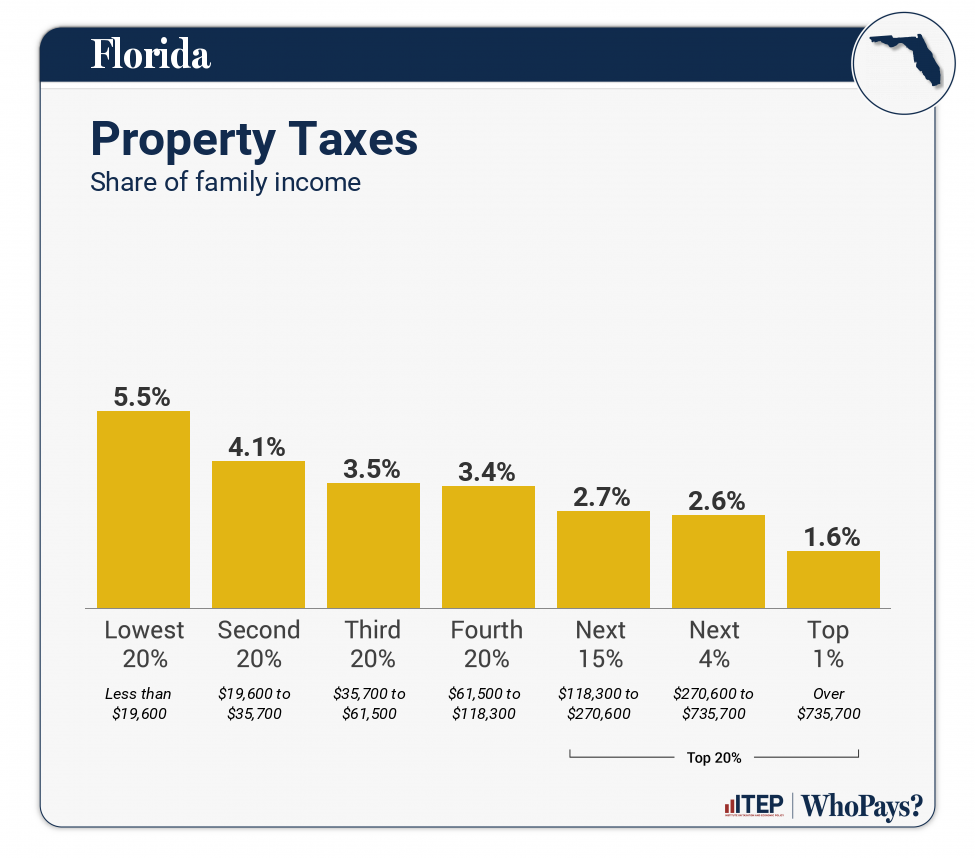
Key Components of Your Property Tax Bill
Your annual property tax bill is a composite of several distinct levies:
Millage Rates
The foundational element of your property tax bill is the millage rate. A “mill” is one-tenth of a cent, or $1 for every $1,000 of assessed value. Each taxing authority in your jurisdiction—your county, your city, your school district, and any special districts—sets its own millage rate. These rates can vary significantly based on the specific location within Florida. For example, the millage rate in Miami-Dade County will differ from that in Hillsborough County.
Assessed Value
The amount of property tax you pay is calculated by multiplying the total millage rate for your area by the property’s assessed value. The assessed value is typically the market value of your property, minus any applicable exemptions. In Florida, homestead properties receive special consideration.
Homestead Exemption
One of the most significant factors influencing property taxes for homeowners is the homestead exemption. This exemption, available to permanent residents who own and occupy their homes as their primary residence, reduces the assessed value of your home by $25,000 for the purposes of county, municipal, and school district taxes. A portion of the homestead exemption ($25,000) applies to all taxing authorities, and an additional $25,000 exemption applies to assessed values between $50,000 and $75,000 for all taxing authorities other than school districts. For school district taxes, the first $25,000 of assessed value is exempt. This can substantially lower your tax burden.
Other Exemptions
Beyond the homestead exemption, Florida offers various other exemptions for specific groups, such as:
- Senior Citizen Exemption: For individuals 65 and older with limited income.
- Disability Exemption: For totally and permanently disabled individuals.
- Veteran Exemption: For honorably discharged veterans, with additional benefits for disabled veterans.
- Widow/Widower Exemption: For surviving spouses.
These exemptions further reduce the taxable value of a property, leading to lower property tax bills.
Factors Influencing Your Florida Property Tax Bill
Several variables contribute to the final property tax amount you will owe. Understanding these factors can help you estimate costs and identify potential savings.
Location, Location, Location
As mentioned, the specific location of your property is paramount. Different counties, cities, and even neighborhoods within a city will have varying millage rates. This is due to the differing needs and funding levels of local services. For example, an area with higher crime rates might have a higher millage rate for law enforcement and fire services. Similarly, areas with excellent public school systems, like those in parts of St. Johns County, may have higher millage rates allocated to education.
Property Type and Value
The type and market value of your property play a direct role. A luxury condominium in Naples will undoubtedly have a higher assessed value and, consequently, a higher tax bill than a modest single-family home in a rural area. Commercial properties typically face higher tax burdens than residential ones.

Changes in Assessed Value
In Florida, the assessed value of homestead properties is capped at an annual increase of 3% or the percentage change in the Consumer Price Index (CPI), whichever is less. This “Save Our Homes” amendment (Article VII, Section 4(d) of the Florida Constitution) is designed to protect homeowners from rapidly increasing property taxes due to booming real estate markets. However, when a homestead property is sold, the new owner’s assessed value is reset to the property’s market value as of January 1st of that year, and the 3% cap applies from that point forward. Non-homestead properties, such as investment properties or vacation homes, do not benefit from this 3% cap and are assessed at 100% of their market value annually.
Special Assessments
In addition to property taxes, properties may be subject to special assessments. These are charges levied for specific public improvements that directly benefit the property, such as new sidewalks, streetlights, or sewer system upgrades. These assessments are typically paid over a number of years and are separate from your annual property tax bill.
How to Estimate Your Florida Property Taxes
Accurately estimating your property taxes requires gathering a few key pieces of information.
The Process
- Identify Your Property’s Location: Determine the specific county and municipality (if applicable) where the property is located.
- Find Local Millage Rates: Each county’s Property Appraiser’s office publishes the millage rates for all taxing districts within that county. You can usually find this information on their website.
- Determine the Assessed Value: This is the most critical number. For an existing property, you can find the most recent assessed value on the property tax bill or through the Property Appraiser’s website. For a prospective purchase, you’ll need to estimate the market value and then consider the impact of any exemptions you may qualify for.
- Calculate the Taxable Value: Subtract applicable exemptions from the assessed value. For a homestead property, this would involve applying the homestead exemption and any other qualifying exemptions.
- Multiply by Millage Rates: Sum the millage rates of all applicable taxing authorities and multiply this total by the taxable value.
Example Calculation (Simplified):
-
Property Market Value: $300,000
-
Assessed Value (after homestead exemption, assuming no other factors): $275,000
-
Total Millage Rate for your area: 25 mills (0.025)
-
Estimated Property Tax = Taxable Value * Millage Rate
-
Estimated Property Tax = $275,000 * 0.025 = $6,875
This is a simplified example. In reality, the assessed value calculation for homestead properties involves the specific tiers of the homestead exemption, and the market value might fluctuate.
Resources for Information
- County Property Appraiser’s Website: This is your primary resource. You can search for properties, view their assessed values, exemptions, and millage rates. Websites are typically found by searching for “[County Name] Property Appraiser.”
- Florida Department of Revenue: While they don’t directly assess property taxes, they oversee the system and provide guidance and statistics.
- Real Estate Agents and Attorneys: Professionals in the real estate industry can provide valuable insights and assistance in estimating property taxes for potential buyers.
Trends and Future Considerations
Florida property taxes have been a subject of ongoing discussion. While the “Save Our Homes” amendment provides a degree of protection for homestead property owners, market appreciation can still lead to significant tax increases for new buyers and owners of non-homestead properties.
The Impact of Market Appreciation
In popular real estate markets like Tampa, Sarasota, and the Florida Keys, rapid home price growth can make the difference between the assessed value and the market value substantial, particularly for those buying into these markets. The initial tax bill for a new owner can be considerably higher than that of a long-term resident.
Legislative Efforts and Debates
There are recurring legislative debates in Florida concerning property tax relief. Proposals often focus on increasing homestead exemptions, providing further caps on tax increases, or shifting more of the tax burden to non-homestead properties. However, balancing the need for local government funding with taxpayer affordability remains a complex challenge.

Planning for Your Florida Property Tax Obligations
When budgeting for a property in Florida, whether it’s a primary residence, a vacation home, or an investment property, it is essential to factor in property taxes realistically. Obtain the most current tax information for the specific address you are interested in and understand the potential for future increases, especially if you are not purchasing a homestead property with the full benefit of long-term exemptions. Consulting with a local real estate professional or tax advisor is highly recommended to ensure you have a comprehensive understanding of your potential tax liabilities.
LifeOutOfTheBox is a participant in the Amazon Services LLC Associates Program, an affiliate advertising program designed to provide a means for sites to earn advertising fees by advertising and linking to Amazon.com. Amazon, the Amazon logo, AmazonSupply, and the AmazonSupply logo are trademarks of Amazon.com, Inc. or its affiliates. As an Amazon Associate we earn affiliate commissions from qualifying purchases.