
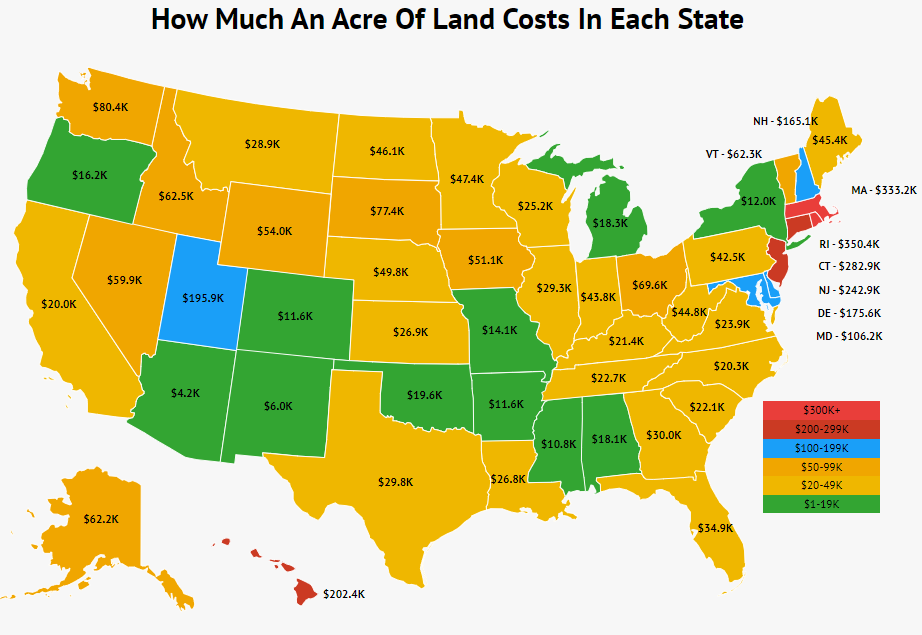
Alabama, with its diverse landscapes ranging from the Appalachian foothills to the pristine Gulf Coast, offers a unique tapestry of land opportunities. For individuals considering a lifestyle change, investment, or future development, understanding the cost of an acre of land in this Southern state is a critical first step. The price, however, is not a static figure; it’s a dynamic outcome influenced by a confluence of factors, making the market both complex and fascinating for those looking to establish roots or expand their portfolio.
Decoding Alabama’s Diverse Land Market
The value of land in Alabama is intricately tied to its inherent characteristics and its place within the state’s broader geography. From fertile agricultural expanses to dense urban plots, and serene recreational tracts, each segment of the market caters to distinct lifestyle aspirations and investment strategies.
Geographic Influences on Value
Alabama’s varied topography plays a significant role in land valuation. The northern part of the state, home to the bustling city of Huntsville and the scenic Appalachian Mountains, often sees higher demand for residential and commercial development due to its economic growth and technological hubs. Conversely, rural areas in the Black Belt region, known for their rich agricultural history, may offer more affordable per-acre prices for vast tracts of farmland, appealing to those seeking an agrarian lifestyle or large-scale farming operations. The coastal areas, particularly around Gulf Shores and Dauphin Island, command premium prices due to their proximity to beaches, tourist attractions, and a vibrant vacation rental market. These diverse geographic zones each present unique value propositions for different lifestyle choices, whether it’s coastal living, mountain retreats, or sprawling farmlands.
Zoning and Development Potential
The zoning regulations imposed by local municipalities are paramount in determining land value and its suitability for various lifestyle projects. A parcel zoned for residential use in a rapidly developing suburban area near Birmingham will naturally fetch a higher price than a similarly sized piece of land zoned for agricultural use in a remote county. Understanding the permitted uses—be it residential, commercial, industrial, or recreational—is crucial for buyers whose lifestyle plans depend on specific types of development, from building a custom home to establishing a business. Additionally, the availability of utilities (water, sewer, electricity) and road access can dramatically impact a property’s development potential and, consequently, its market price. A remote plot without infrastructure, while potentially cheaper per acre, might incur significant additional costs for development, a critical consideration for lifestyle planners envisioning self-sufficiency or off-grid living.
Key Factors Driving Land Prices
Beyond geography and zoning, several other intrinsic and extrinsic factors contribute to the fluctuation of land prices across Alabama. These elements are vital for any prospective land buyer to consider, particularly those making significant lifestyle or investment decisions.
Location, Location, Location
This age-old real estate adage holds undeniable truth in Alabama’s land market. Proximity to major urban centers like Montgomery, Mobile, or Auburn, desirable school districts, employment hubs, and essential services significantly boosts land values. For families seeking a suburban lifestyle, land in thriving communities will be at a premium. Conversely, those yearning for a tranquil, rural existence might find more affordable options further from metropolitan conveniences, trading accessibility for peace and quiet. The allure of being near natural amenities, such as lakes like Lake Guntersville or state parks, also plays a crucial role for buyers prioritizing a recreational lifestyle.
Land Type and Usage
The intended use of the land is a primary determinant of its value.
- Residential Land: Plots suitable for home construction, especially those in desirable neighborhoods or with scenic views, command higher prices.
- Agricultural Land: Valued based on soil fertility, water access, and crop-producing potential. The price per acre for farmland can vary widely based on its productive capacity and whether it includes existing infrastructure like barns or irrigation systems. This type of land appeals to those envisioning a farming lifestyle.
- Recreational Land: Acreage for hunting, fishing, or timber production is valued based on features like timber quality, presence of wildlife, water bodies, and access. This is a popular choice for individuals or families seeking an outdoors-oriented lifestyle.
- Commercial/Industrial Land: Strategically located plots with good transportation access and appropriate zoning are highly valued for business development, contributing to the economic lifestyle of a region.
Market Trends and Economic Climate
The broader economic health of Alabama and the nation profoundly impacts land prices. A robust economy with job growth and population influx typically drives demand for land, pushing prices upward. Conversely, economic downturns can lead to stagnation or declines. Interest rates also play a role; lower rates can make land purchases more attractive by reducing borrowing costs. Understanding these overarching trends is essential for making informed decisions, whether the goal is a lifestyle investment or simply finding the ideal plot for a future home.
Average Land Costs Across Alabama Regions
While providing an exact “average” cost per acre for all of Alabama is challenging due to the myriad of variables, we can outline general price ranges across different regions, reflecting diverse lifestyle opportunities.
Urban vs. Rural Disparities
In prime urban and suburban areas, particularly around Birmingham, Huntsville, and Montgomery, an acre of developable land can easily range from $50,000 to over $200,000, especially for smaller, premium lots or those with commercial potential. These prices reflect the high demand for convenient city living and access to amenities. As one moves further into rural counties, particularly those without major economic drivers or population centers, prices can drop significantly, often ranging from $3,000 to $10,000 per acre for raw, undeveloped land. These areas cater to a lifestyle seeking tranquility, expansive space, and lower living costs.
Coastal Properties

The Alabama Gulf Coast is a unique market segment. Land near popular tourist destinations like Gulf Shores or Orange Beach, especially with water frontage or close beach access, commands some of the highest prices in the state. An acre in these highly desirable areas could range from $150,000 to well over $1,000,000, depending on exact location, views, and development potential. Even non-waterfront land in these coastal communities remains significantly more expensive than inland rural plots, reflecting the lifestyle appeal of beach access and tourism.
Northern Alabama’s Appeal
The growth corridor stretching from Huntsville to Decatur and into Limestone County often sees land prices driven by industrial expansion, technological innovation, and a growing population. Residential lots can be in the range of $30,000 to $100,000 per acre, with larger tracts for development fetching higher overall sums. Further into the more rural and mountainous parts of North Alabama, such as around Lake Guntersville or near national forests, recreational land and larger parcels for private retreats or hunting can be found for $5,000 to $20,000 per acre, attracting those who prioritize an active, outdoor lifestyle.
Central and Southern Alabama
This broad region encompasses a mix of agricultural heartland, smaller cities, and burgeoning suburban areas. Around cities like Tuscaloosa and Auburn, driven by university economies and growing populations, land prices can range from $20,000 to $80,000 per acre for residential or mixed-use parcels. In the predominantly agricultural Black Belt, larger tracts of farmland or timberland might cost $2,500 to $7,000 per acre, appealing to lifestyle choices focused on farming, hunting, or expansive rural living. Near Mobile, another major economic hub, land prices mirror other metropolitan areas, with developable parcels ranging from $40,000 to $150,000 per acre, offering both urban and suburban lifestyle options.
The Lifestyle Investment: Why Buy Land in Alabama?
Beyond the purely financial aspect, acquiring land in Alabama often represents a significant lifestyle investment, catering to a variety of personal aspirations and long-term visions.
Agricultural Pursuits
For those dreaming of a self-sufficient lifestyle, organic farming, or even a small hobby farm, Alabama’s fertile soil and favorable climate present ample opportunities. Purchasing agricultural land allows individuals to connect with the land, grow their own food, or even establish a commercial farm. This lifestyle choice often comes with tax benefits for agricultural use, further enhancing its appeal.
Recreational Opportunities
Alabama is a sportsman’s paradise, offering abundant opportunities for hunting, fishing, hiking, and boating. Owning recreational land provides exclusive access to these activities, whether it’s a private hunting ground, a fishing pond, or a quiet retreat near a river or lake. This is a lifestyle choice for those who prioritize outdoor adventures and private enjoyment of nature.
Retirement and Relocation
Many individuals choose Alabama for retirement or relocation due to its affordable cost of living, pleasant climate, and friendly communities. Buying land allows retirees to build their dream home, often with more space and at a lower cost than in other states. It’s an investment in a comfortable, relaxed lifestyle, whether in a quiet rural setting or a vibrant small town.
Future Development and Investment
For the forward-thinking individual, purchasing land in a growth area of Alabama can be a strategic investment. As populations expand and economic development continues, land values appreciate. This allows for future development of residential properties, commercial ventures, or simply holding the land as a long-term asset, creating a legacy for future generations.
Navigating the Purchase Process
Securing an acre of land in Alabama requires careful consideration and due diligence to ensure the property aligns perfectly with your lifestyle goals and financial parameters.
Essential Due Diligence
Before making any commitment, it’s imperative to conduct thorough research. This includes verifying zoning regulations, understanding property lines through a survey, checking for easements or restrictions, and assessing soil conditions and water access. Investigating past environmental reports and natural hazard risks is also critical. These steps protect your investment and ensure the land can support your envisioned lifestyle, whether building a home or cultivating crops.

Professional Guidance
Engaging with local real estate agents specializing in land sales can provide invaluable insights into market dynamics, available properties, and local regulations. A reputable agent can help navigate the complexities of rural land transactions and identify properties that meet specific lifestyle requirements. Additionally, consulting with a real estate attorney is advisable to ensure all legal aspects of the purchase are handled correctly, from reviewing contracts to title transfers, safeguarding your lifestyle investment every step of the way.
LifeOutOfTheBox is a participant in the Amazon Services LLC Associates Program, an affiliate advertising program designed to provide a means for sites to earn advertising fees by advertising and linking to Amazon.com. Amazon, the Amazon logo, AmazonSupply, and the AmazonSupply logo are trademarks of Amazon.com, Inc. or its affiliates. As an Amazon Associate we earn affiliate commissions from qualifying purchases.