
Florida, a state celebrated for its vibrant culinary scene and diverse agricultural output, offers a delightful bounty of fresh produce throughout the year. Among its most prized offerings are avocados, those creamy, nutrient-dense fruits that have become a staple in kitchens worldwide. For visitors and locals alike eager to experience the peak of Florida’s avocado harvest, understanding the seasonality is key to savoring the freshest, most flavorful fruits. This guide delves into the nuances of avocado season in the Sunshine State, highlighting the varieties, optimal times for enjoyment, and the unique regional factors that influence their availability.
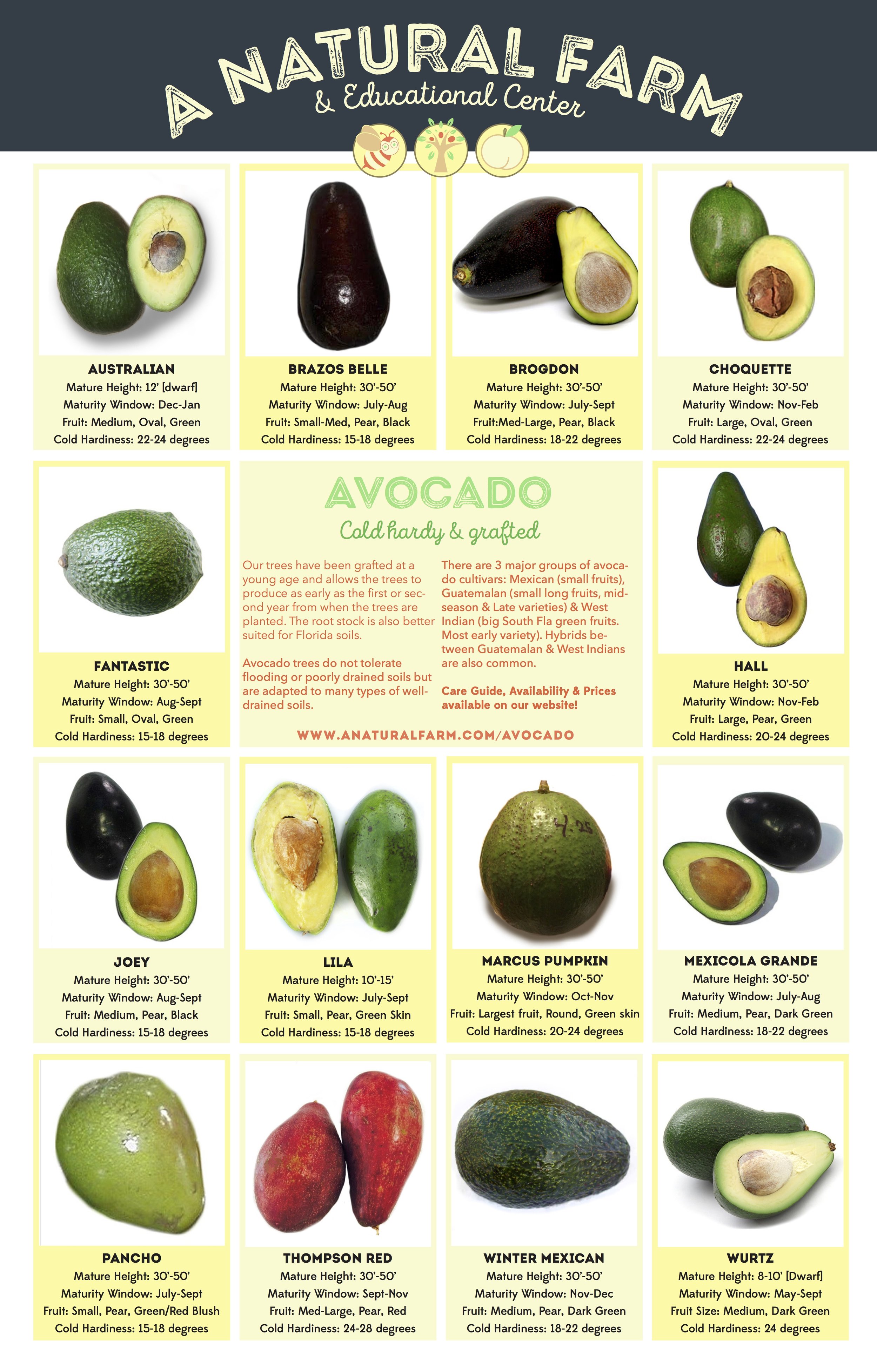
Understanding Florida’s Avocado Varieties
Florida’s climate is conducive to growing a variety of avocado cultivars, each with its own distinct characteristics in terms of size, flavor, texture, and ripening period. While California is renowned for its Hass avocados, Florida’s agricultural landscape supports a broader spectrum of types, many of which are particularly well-suited to the state’s subtropical environment.
The Dominant Cultivars
While numerous avocado varieties can be found in smaller orchards or experimental farms across Florida, a few stand out for their commercial significance and widespread availability.
South Florida’s Tropical Varieties
In the southern parts of the state, where the climate is most tropical, several unique varieties thrive. These often differ significantly from the more common Hass avocado known globally.
- Simmonds: This variety is recognized for its larger size and a slightly lower fat content compared to Hass. It typically ripens from late spring through summer, offering a smooth, buttery texture and a mild, nutty flavor. Simmonds avocados are excellent for slicing and adding to salads or sandwiches.
- Pollock: Another popular summer variety, the Pollock is known for its large, pear-shaped fruit and a thin, leathery skin that is easy to peel. Its flesh is creamy with a pleasant, rich flavor. This variety often ripens from June to August, making it a quintessential summer treat.
- Waldin: This cultivar ripens earlier than many others, with its season often beginning in May and extending through July. Waldin avocados are medium-sized with a smooth, bright green skin. They are known for their mild, slightly sweet taste and a smooth, almost custard-like texture when ripe.
Avocados for Central and North Florida
As you move further north in Florida, the climate becomes slightly less tropical, favoring varieties that can withstand a bit more variation in temperature. While still benefiting from warm conditions, these areas might see slightly different ripening windows or favor cultivars with a bit more resilience.
- Lula: A popular choice in central and northern Florida, the Lula is a medium to large avocado with a somewhat nutty flavor and a smooth, creamy texture. Its season typically runs from late summer into the fall, often from August through November. The skin is smooth and glossy, turning from green to a purplish-black when ripe.
- Monroe: This larger variety is known for its hardiness and excellent keeping qualities. The Monroe ripens in the fall and early winter months, generally from October to December. It has a creamy, rich flesh and a mild, pleasant taste.
The Enduring Popularity of Hass
While Florida is celebrated for its unique tropical varieties, the Hass avocado, the most commercially produced avocado globally, is also grown to some extent in Florida. However, its primary growing regions are in California and other parts of the world with different climatic conditions. When Hass avocados are available in Florida, they typically align with their broader North American harvest cycles, which might overlap with some of Florida’s later-season varieties.
Peak Avocado Season in Florida: A Seasonal Breakdown
The beauty of Florida’s avocado production lies in its extended season, thanks to the diverse range of cultivars grown across its varied microclimates. While some overlap exists, understanding the general peak periods for different varieties can help you plan your culinary adventures.
Spring and Early Summer: The Beginning of the Harvest
As the Florida heat intensifies and the rainy season begins, the first wave of avocados starts to ripen.
May and June: The First Fruits
- Waldin avocados typically kick off the season, offering early-season sweetness and creaminess. This is a great time to find these medium-sized gems.
- By late May and into June, the Pollock variety begins to appear, bringing its substantial size and smooth texture to markets.
Mid to Late Summer: The Abundant Season
The summer months represent the heart of avocado season in many parts of Florida, with a wide array of varieties reaching their prime.
July and August: A Bounty of Choices
- This period is often considered the peak for many popular Florida avocado types, including Simmonds and continued availability of Pollock.
- The creamy flesh and rich flavor of these summer avocados are perfect for guacamole, salads, and as a topping for toast.

Fall and Early Winter: The Extended Harvest
Even as the summer heat begins to wane, Florida’s avocado season continues, with varieties that ripen into the cooler months.
September through December: Flavorful Finishers
- Lula avocados begin their harvest in late summer and extend through the fall, offering a slightly different flavor profile and texture that complements autumnal cuisine.
- Monroe avocados, known for their robustness, provide a late-season option, often available through December, bringing a rich, creamy finish to the year’s harvest.
It’s important to note that these are general guidelines. Weather patterns, specific farm practices, and microclimates within Florida can influence the exact timing of the harvest.
Where to Find Florida Avocados
To truly experience the best of Florida’s avocado season, seeking out local sources is paramount. While you might find avocados in larger supermarket chains, visiting local farmers’ markets or directly from groves often guarantees the freshest, most flavorful fruit.
Farmers’ Markets: A Direct Connection to the Source
Throughout Florida, countless farmers’ markets operate weekly, connecting consumers directly with local growers. These markets are ideal places to:
- Discover a Wide Variety: You’re more likely to find the less common Florida cultivars at farmers’ markets than in mainstream grocery stores.
- Taste and Learn: Vendors are often passionate about their produce and can offer insights into the best ways to enjoy each variety.
- Support Local Agriculture: Purchasing from local farmers directly supports the agricultural community in Florida.
Popular markets can be found in cities like Miami, Fort Lauderdale, Tampa, Orlando, and Jacksonville, though smaller, community-focused markets are abundant throughout the state.
U-Pick Farms and Farm Stands
For an immersive experience, consider visiting U-pick avocado farms if available. This allows you to select your own avocados directly from the trees. Many farms also operate roadside stands where they sell their freshly harvested produce. These offer a rustic and authentic way to procure your avocados. Exploring areas known for their agricultural richness, such as Homestead in South Florida, can lead to delightful discoveries.
Specialty Grocers and Restaurants
Some specialty grocery stores and restaurants in Florida prioritize sourcing local produce. Look for establishments that highlight their commitment to farm-to-table practices. These places are more likely to feature seasonal Florida avocados on their menus or shelves.
Tips for Enjoying Florida Avocados
Once you’ve secured your harvest of Florida avocados, the culinary possibilities are nearly endless. Understanding how to select, store, and prepare them will ensure you make the most of their deliciousness.
Selecting the Perfect Avocado
- Feel: Gently press the avocado. It should yield slightly to pressure but not feel mushy. A very hard avocado is not ripe, while one that is too soft may be overripe or bruised.
- Color: The color of Florida avocados varies by variety. Many tropical varieties remain green even when ripe, so color is not always the best indicator. Rely more on the gentle squeeze test.
- Stem Nub: If possible, gently flick off the small stem nub at the top. If it comes off easily and reveals green underneath, the avocado is likely ripe and in good condition. If it’s difficult to remove or reveals brown, the fruit might be overripe.
Storage and Ripening
- Unripe Avocados: Store unripe avocados at room temperature. To speed up ripening, place them in a paper bag with a banana or apple.
- Ripe Avocados: Once ripe, store avocados in the refrigerator to slow down the ripening process and extend their freshness for a few days.
- Cut Avocados: To prevent cut avocado halves from browning, brush the surface with lemon or lime juice and wrap them tightly in plastic wrap or place them in an airtight container.
Culinary Uses
Florida avocados, with their diverse textures and flavors, are incredibly versatile.
- Guacamole: A classic for a reason. Blend ripe avocados with lime juice, cilantro, onion, jalapeño, and salt.
- Salads: Slice or dice avocados and add them to green salads, grain bowls, or fruit salads for a creamy, rich element.
- Sandwiches and Wraps: A simple addition of sliced avocado elevates any sandwich or wrap.
- Smoothies: For a nutrient boost and creamy texture, add a portion of avocado to your favorite fruit smoothie.
- Desserts: Believe it or not, avocado can be used in sweet preparations like puddings and mousses, lending a smooth texture and subtle richness without an overpowering avocado flavor.
By understanding when Florida’s avocado season is in full swing and knowing where to find these delightful fruits, you can truly immerse yourself in the Sunshine State’s rich agricultural heritage and savor the unparalleled taste of locally grown avocados.
LifeOutOfTheBox is a participant in the Amazon Services LLC Associates Program, an affiliate advertising program designed to provide a means for sites to earn advertising fees by advertising and linking to Amazon.com. Amazon, the Amazon logo, AmazonSupply, and the AmazonSupply logo are trademarks of Amazon.com, Inc. or its affiliates. As an Amazon Associate we earn affiliate commissions from qualifying purchases.