
Florida, a state renowned for its sun-drenched beaches, vibrant theme parks, and diverse cultural tapestry, consistently ranks high on lists of desirable places to live and visit. Its appeal extends beyond its natural beauty and recreational opportunities, significantly influenced by its economic landscape. A key component of this economic appeal, particularly for residents and potential transplants, is its tax structure. While many states grapple with the complexities of state-level income taxes, Florida stands out by abstaining from levying such a tax. However, this does not mean residents are exempt from all income-based taxation. The federal income tax remains a universal obligation for most American taxpayers, and understanding its application within the context of Florida is crucial for comprehensive financial planning. This article delves into the federal income tax rates as they apply to residents and entities operating within the Sunshine State, exploring the implications for individuals and businesses alike.
Understanding Federal Income Tax in the United States
The federal income tax is the primary source of revenue for the U.S. government, funding a vast array of public services and programs. It is a progressive tax system, meaning that higher earners are subject to higher tax rates. This system is managed by the Internal Revenue Service (IRS). The determination of an individual’s federal income tax liability involves several key steps: calculating taxable income, identifying applicable tax brackets, and applying the corresponding tax rates.
Taxable Income Calculation
Taxable income is not simply one’s gross income. It is derived by subtracting various deductions and exemptions from gross income. These deductions can significantly reduce the amount of income subject to taxation, thereby lowering the overall tax bill. Common deductions include those for mortgage interest, charitable contributions, medical expenses (above a certain threshold), and state and local taxes (SALT), though the latter has been subject to limitations. For individuals, deductions can be taken either as the standard deduction or itemized deductions, whichever yields a larger tax benefit. Businesses also have a complex set of deductions related to operating expenses, depreciation, and other business-related costs.
Tax Brackets and Rates
The federal income tax system is structured around a series of tax brackets, each associated with a specific tax rate. These brackets are adjusted annually for inflation. For the 2023 tax year, for instance, there are seven federal income tax brackets: 10%, 12%, 22%, 24%, 32%, 35%, and 37%. The specific income thresholds for each bracket vary depending on the taxpayer’s filing status, which includes Single, Married Filing Jointly, Married Filing Separately, and Head of Household.
For example, under the 2023 tax year rates for a single filer:
- Income up to $11,000 is taxed at 10%.
- Income between $11,001 and $44,725 is taxed at 12%.
- Income between $44,726 and $95,375 is taxed at 22%.
- Income between $95,376 and $182,100 is taxed at 24%.
- Income between $182,101 and $231,250 is taxed at 32%.
- Income between $231,251 and $578,125 is taxed at 35%.
- Income over $578,125 is taxed at 37%.
It is important to note that these rates apply to different portions of income, not the entire income. For example, if a single individual earns $50,000, only the income within each bracket is taxed at that bracket’s rate. This means the first $11,000 is taxed at 10%, the next $33,725 ($44,725 – $11,001) is taxed at 12%, and the remaining $5,275 ($50,000 – $44,726) is taxed at 22%.
The Absence of State Income Tax in Florida
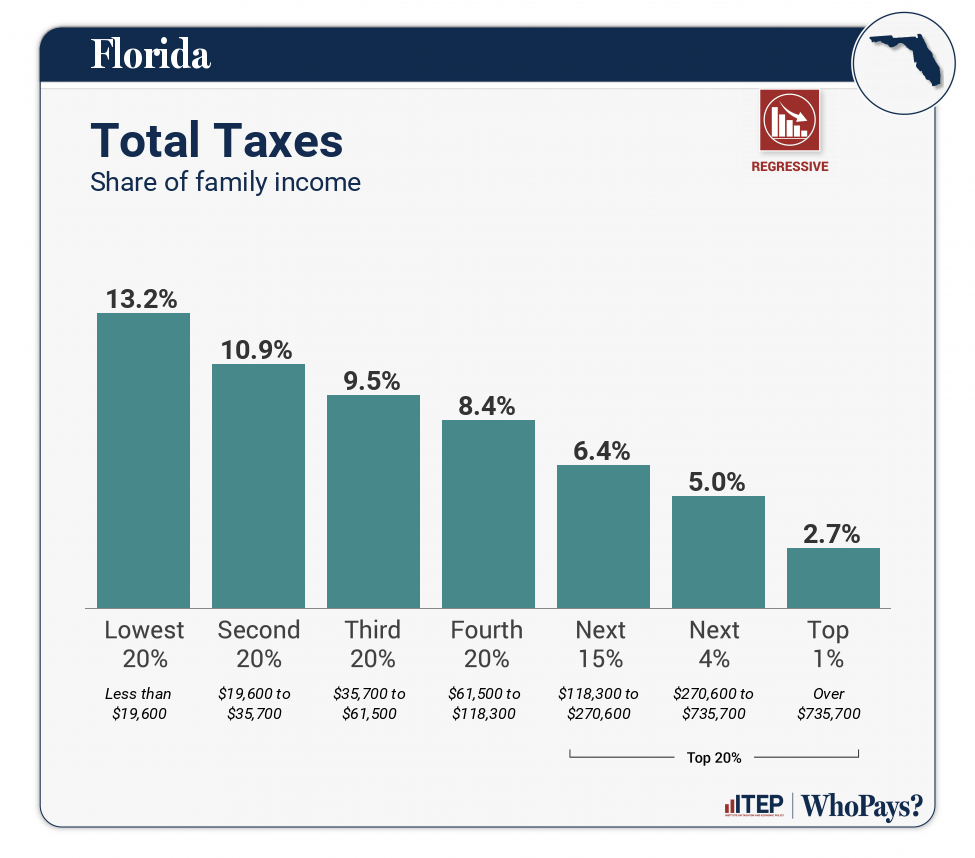
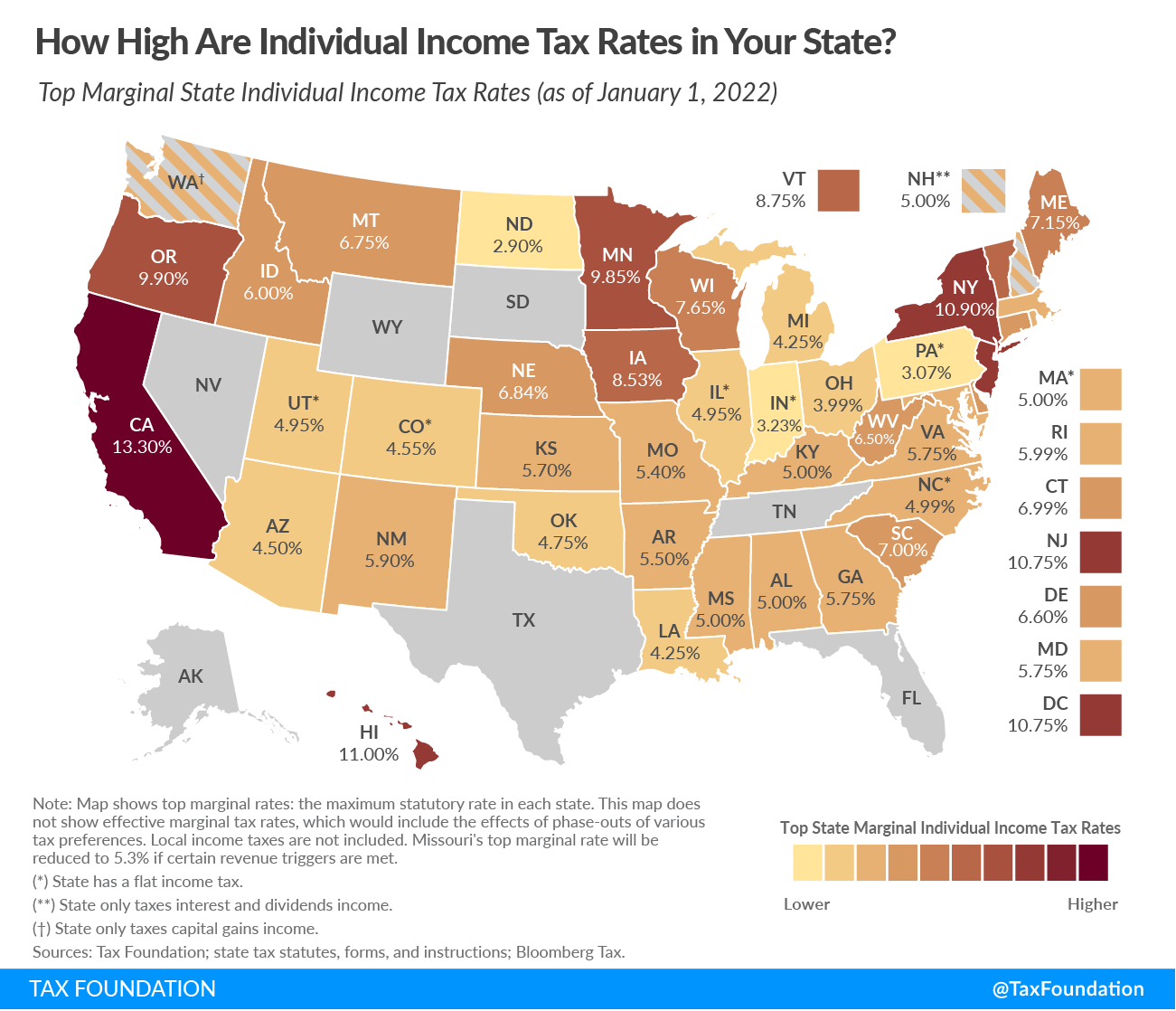
Florida’s most significant tax advantage for its residents is the absence of a state income tax. This policy has been a cornerstone of the state’s economic development strategy for decades, attracting individuals and businesses seeking to minimize their tax burdens. Unlike states such as California or New York, where state income tax can represent a substantial financial obligation, Florida residents do not face this dual layer of income taxation. This distinction is a major factor for many who choose to establish residency in the state, whether for retirement, business ventures, or lifestyle preferences. The simplicity and potential savings associated with not having to file and pay state income tax are considerable.
Impact on Residents
For individuals, the lack of state income tax means that their federal tax liability is their sole income tax obligation at the state level. This can result in a significant increase in disposable income, which can then be reinvested, saved, or spent within the state, contributing to the local economy. For retirees, this can be particularly beneficial, as it reduces the impact of income from pensions, Social Security, and investments on their overall tax liability. For working professionals and entrepreneurs, it allows for greater retention of earnings, potentially encouraging business growth and personal wealth accumulation.
Impact on Businesses
Businesses operating in Florida also benefit from the absence of state income tax. This can make the state a more attractive location for corporate headquarters, manufacturing facilities, and service industries. The cost savings associated with not having to pay state income tax can be reinvested into expansion, research and development, or employee compensation. Furthermore, the lower overall tax burden can make Florida-based companies more competitive in the national and international markets. While businesses are still subject to federal corporate income tax, the elimination of state-level income tax provides a distinct financial advantage.
Federal Income Tax Rates for Florida Residents and Businesses
Despite the absence of state income tax, individuals and businesses residing or operating in Florida are fully subject to the federal income tax system. The rates and brackets are uniform across all states, determined by Congress and the IRS.
Individual Federal Income Tax Rates in Florida
As mentioned, the federal income tax rates for individuals in Florida are the same as for individuals in any other state. These rates are progressive and depend on the taxpayer’s income level and filing status.
Filing Status and Associated Brackets (Example: 2023 Tax Year)
- Single Filers: As detailed above, rates range from 10% to 37% with specific income thresholds.
- Married Filing Jointly: The income thresholds for married couples filing jointly are typically double those for single filers, reflecting the combined income of both spouses. For 2023, the brackets were: 10% on income up to $22,000; 12% on income between $22,001 and $89,450; 22% on income between $89,451 and $190,750; 24% on income between $190,751 and $364,200; 32% on income between $364,201 and $462,500; 35% on income between $462,501 and $693,750; and 37% on income over $693,750.
- Married Filing Separately: This status has similar income brackets to single filers but is intended for spouses who are legally married but choose to file separate tax returns.
- Head of Household: This status offers more favorable tax brackets than single filers, intended for unmarried individuals who pay more than half the cost of keeping up a home for a qualifying child. For 2023, the brackets were: 10% on income up to $15,700; 12% on income between $15,701 and $59,850; 22% on income between $59,851 and $95,350; 24% on income between $95,351 and $182,100; 32% on income between $182,101 and $231,250; 35% on income between $231,251 and $578,125; and 37% on income over $578,125.
The actual tax liability is determined by applying these rates to the taxpayer’s taxable income, which is calculated after all eligible deductions and credits are applied.
Business Federal Income Tax Rates in Florida
Businesses in Florida are subject to the federal corporate income tax. The Tax Cuts and Jobs Act of 2017 significantly altered the corporate tax landscape, establishing a flat rate for most corporations.
The Corporate Tax Rate
For the 2023 tax year and beyond, the federal corporate income tax rate is a flat 21%. This rate applies to the taxable income of most C-corporations. Unlike individual income tax, this is a single rate applied to all corporate profits, regardless of the amount.
Pass-Through Entities
It is important to distinguish between C-corporations and pass-through entities such as sole proprietorships, partnerships, and Limited Liability Companies (LLCs) that are taxed as partnerships or S-corporations. The income earned by these entities “passes through” to the owners, who then report and pay tax on their share of the profits at their individual income tax rates. Therefore, while the business entity itself does not pay corporate income tax, its owners will pay federal income tax on the business’s earnings based on their personal tax brackets. This can be a complex area, and understanding how income from these entities is treated for federal tax purposes is crucial for business owners in Florida.
Navigating Tax Implications for Travel and Lifestyle in Florida
Florida’s appeal as a travel destination and a desirable place to live is multifaceted, and its tax structure plays a significant role. While the absence of state income tax is a primary draw, understanding the federal income tax obligations is essential for both visitors and residents planning their finances.
Travel and Tourism Perspective
For tourists visiting Florida, the federal income tax is not directly relevant to their travel expenses. However, the economic activity generated by tourism in the state is underpinned by businesses that are subject to federal taxes. When planning a trip to destinations like Orlando with its world-renowned theme parks such as Walt Disney World Resort and Universal Orlando Resort, or to the vibrant city of Miami known for its beaches and nightlife, travelers will encounter a range of businesses from hotels like The Breakers Palm Beach to restaurants and attractions. These businesses operate within the U.S. federal tax system. Any potential impact of federal tax rates on business operations could indirectly influence pricing, though this is usually a minor factor for the average traveler compared to demand and service costs.
Lifestyle and Residency Decisions
The decision to live in Florida, whether full-time or part-time, is often heavily influenced by its tax climate. The absence of state income tax, combined with federal income tax obligations, makes it an attractive state for individuals of all income levels. For those considering a move to Florida, understanding how their income will be taxed at the federal level is paramount. This includes factoring in potential deductions and credits that can reduce their overall tax liability. Planning for retirement in Florida, for example, often involves assessing how retirement income will be taxed federally. Similarly, entrepreneurs and remote workers may choose Florida to take advantage of the favorable tax environment at the state level, while still meeting their federal tax obligations. The federal tax rates, therefore, become a critical element in financial planning for anyone considering Florida as a primary or secondary residence.
In conclusion, while Florida boasts a unique position in not levying state income tax, the federal income tax remains a universal financial responsibility. The progressive federal tax rates, based on income brackets and filing status for individuals, and the flat rate for corporations, apply uniformly to all residents and businesses within the state. Understanding these rates and how they interact with individual circumstances and business structures is key to navigating financial life in the Sunshine State.
LifeOutOfTheBox is a participant in the Amazon Services LLC Associates Program, an affiliate advertising program designed to provide a means for sites to earn advertising fees by advertising and linking to Amazon.com. Amazon, the Amazon logo, AmazonSupply, and the AmazonSupply logo are trademarks of Amazon.com, Inc. or its affiliates. As an Amazon Associate we earn affiliate commissions from qualifying purchases.