
The Enduring Legacy of State Street in Boston’s Urban Fabric
The quest to locate State Street headquarters in Boston leads one directly into the very heart of the city’s storied Financial District, a nexus where colonial history intertwines seamlessly with modern global finance. While the name itself conjures images of powerful financial institutions, State Street Corporation’s physical presence is a landmark deeply embedded in Boston’s economic and architectural landscape. Far more than just an office building, its headquarters represents a significant focal point for understanding the city’s ongoing narrative of commerce, innovation, and enduring heritage.
A Name Forged in History
The very name “State Street” is not merely a corporate identifier; it is a direct reference to one of Boston’s most historically significant thoroughfares. Originally known as King Street during the colonial era, this pivotal street was renamed State Street in 1784, following the American Revolution, symbolizing the newly independent state. It was on this very street that many significant events unfolded, including the infamous Boston Massacre in 1770. Over centuries, State Street evolved into the epicenter of Boston’s banking and financial services, making it a natural birthplace and namesake for one of the world’s leading financial institutions. This historical lineage imbues the corporation’s headquarters with a depth of meaning, positioning it not just as a contemporary business hub but as a custodian of Boston’s economic past.
The Nexus of Commerce and Culture
The Financial District where State Street resides is itself a landmark, characterized by a striking blend of Federal-style brick buildings, gleaming glass towers, and narrow cobblestone streets. It’s a dynamic environment where professionals in bespoke suits navigate sidewalks alongside tourists exploring the Freedom Trail. The presence of major corporations like State Street anchors this district, solidifying its reputation as a global financial powerhouse while simultaneously highlighting Boston’s capacity to harmonize progress with preservation. The headquarters thus stands as a testament to this unique urban character, a place where the weight of history underpins the drive for future innovation.
State Street Corporation’s Modern Headquarters: A Landmark of Finance
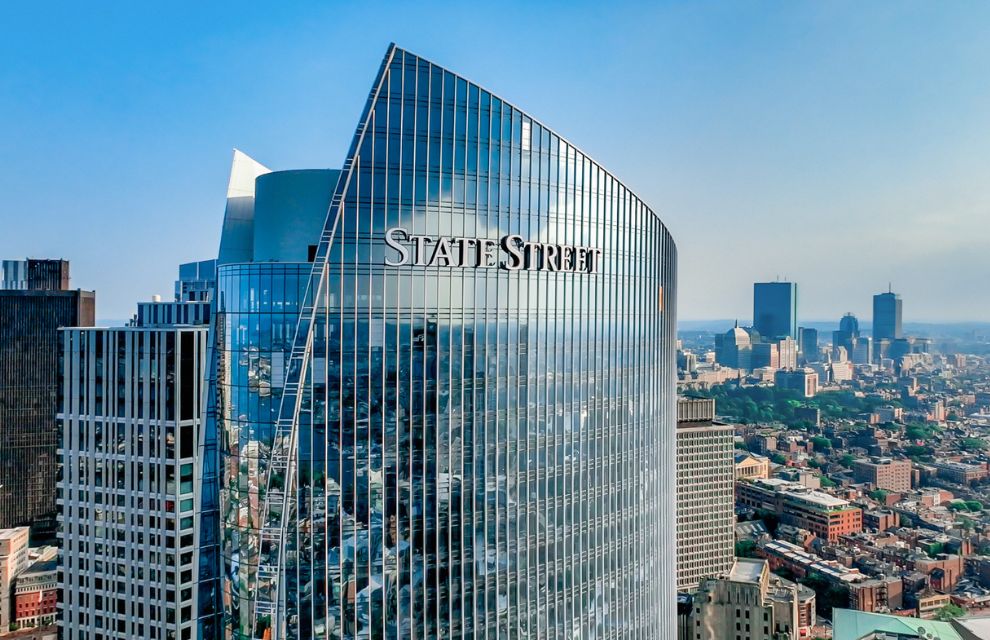
While its name harkens back to the colonial street, State Street Corporation’s primary headquarters is located at One Lincoln Street, Boston, MA 02111. This modern skyscraper is a prominent feature of the Boston skyline, signifying the company’s contemporary stature and global reach. Erected in the early 21st century, the building itself has become a landmark, representing the confluence of corporate power, architectural ambition, and urban regeneration.
The Architectural Statement at One Lincoln Street
One Lincoln Street is an impressive example of post-modern architecture, soaring 36 stories high and commanding attention within the Financial District. Designed by the renowned architectural firm Cesar Pelli & Associates, the building’s exterior is characterized by its distinctive glass and granite façade, reflecting the changing light of the Boston sky. Its thoughtful design incorporates setbacks and varied textures, preventing it from being a monolithic structure and instead allowing it to interact gracefully with the surrounding urban environment. The building’s base respects the pedestrian scale, integrating public spaces and amenities that contribute to the vibrancy of the neighborhood. As a landmark, it speaks to the evolving nature of corporate architecture, prioritizing not just height but also aesthetic integration and urban contribution.
Functionality and Form in the Financial District
Beyond its visual appeal, One Lincoln Street is a marvel of modern commercial design, optimized for the intricate operations of a global financial services company. Its expansive floor plates and advanced infrastructure provide a state-of-the-art environment for thousands of employees, facilitating complex data management, client services, and strategic decision-making that define State Street’s operations. The building’s internal layout emphasizes collaboration and efficiency, reflecting contemporary workplace trends. From an architectural perspective, it demonstrates how form follows function in the creation of a landmark building; its imposing presence is directly tied to its critical role in the global financial ecosystem. This makes it a landmark of not just structure, but also of economic purpose and technological advancement.
Architectural Echoes: Connecting Past and Present
The location of State Street’s headquarters at One Lincoln Street is particularly significant because it bridges different eras of Boston’s architectural and historical development. While decidedly modern, the building stands in close proximity to some of the city’s oldest and most revered structures, creating a compelling dialogue between past and present.
The Blending of Eras

The Financial District itself is a living museum of architectural styles, from early American colonial to Gothic Revival and Art Deco, culminating in modern glass towers. State Street’s headquarters, with its sleek, contemporary lines, does not overshadow these historical neighbors but rather offers a complementary contrast. Its presence highlights Boston’s ability to continuously reinvent itself while honoring its deep roots. This architectural juxtaposition provides visitors and residents alike with a tangible sense of the city’s evolution, where foundational history coexists with global ambition. The building, therefore, functions as a modern landmark within a historic context, demonstrating how new structures can contribute to the character of an ancient city.
State Street’s Contribution to the Boston Skyline
The skyline of Boston is a recognizable symbol of the city, characterized by its mix of historic domes and modern spires. One Lincoln Street is a key component of this iconic profile, adding a significant vertical element to the southern edge of the Financial District. Its distinctive crown, often illuminated, helps define the city’s nocturnal appearance. For anyone looking at Boston from across the Fort Point Channel or from the observation deck of another skyscraper, the State Street building is an unmistakable landmark. It serves as a visual marker of Boston’s economic vitality and its standing as a major urban center.
Beyond the Walls: Exploring Adjacent Historical Landmarks
The strategic placement of State Street’s headquarters makes it an excellent starting point for exploring many of Boston’s most cherished historical landmarks. Its location allows for seamless integration into a broader tour of the city’s rich heritage, demonstrating how a corporate landmark can exist within a tapestry of cultural significance.
The Freedom Trail at Its Doorstep
Crucially, State Street headquarters is situated just a short walk from the famed Freedom Trail, a 2.5-mile red-lined path that winds through downtown Boston, connecting 16 historically significant sites. Visitors can easily transition from observing a modern financial powerhouse to stepping back in time to the birthplace of American independence. This proximity makes One Lincoln Street a modern anchor in a largely historical tourist route, highlighting the city’s continuous narrative.
From Old State House to Modern Finance
A short stroll from One Lincoln Street brings one to the original State Street itself, home to the Old State House. This iconic brick building, dating back to 1713, is where the Declaration of Independence was first read to Boston citizens. The dramatic contrast between the colonial elegance of the Old State House and the sleek, towering presence of State Street headquarters beautifully encapsulates Boston’s identity. It underscores how the city has grown from a nascent colonial town to a sophisticated global hub, with architectural landmarks serving as tangible markers of this journey. Nearby, the Old South Meeting House, where the Boston Tea Party was planned, further enriches this historical context.
Public Spaces and Architectural Gems Nearby
The area around State Street headquarters is also dotted with other significant landmarks and public spaces. Dewey Square, with its vibrant public art installations and often bustling farmer’s markets, offers a modern urban respite. The grand architecture of the Federal Reserve Bank of Boston building, another notable skyscraper, further reinforces the district’s financial significance. These surrounding elements contribute to the overall landmark status of the State Street headquarters, positioning it as a key component of a larger, interconnected network of sites that define Boston’s character.
State Street: A Pillar of Boston’s Identity
Ultimately, the question of “Where is State Street headquarters in Boston?” leads to a location that is far more than a corporate address. One Lincoln Street is a landmark that embodies State Street Corporation’s powerful presence and its deep roots within a city renowned for its historical depth and economic dynamism. It is a place where architectural modernity meets centuries of heritage, a building that contributes significantly to the city’s iconic skyline while standing just moments away from the very sites that shaped a nation.
Economic Beacon and Cultural Icon
As an economic beacon, State Street headquarters symbolizes Boston’s enduring role as a global financial center. Its operations impact economies worldwide, making the building a tangible representation of this influence. Simultaneously, as a cultural icon, it is woven into the fabric of daily Boston life. It is a point of reference for locals, a subject of interest for architecture enthusiasts, and an essential stop for anyone seeking to understand the full scope of Boston’s identity. The landmark status of State Street headquarters is thus multifaceted, reflecting both its economic power and its integral place within the city’s rich narrative.

A Destination for Understanding Boston’s Spirit
For those exploring Boston, a visit or even a passing glimpse of State Street headquarters offers a unique perspective. It’s a testament to Boston’s spirit of progress and its ability to continually innovate without abandoning its historical foundations. The building stands as a powerful reminder that landmarks are not merely old structures or natural wonders; they can also be contemporary architectural achievements that symbolize ongoing human endeavor and contribute significantly to the character and narrative of a vibrant city. It is a destination that helps visitors grasp the complete essence of Boston – a city proud of its past, confident in its present, and focused on its future.
LifeOutOfTheBox is a participant in the Amazon Services LLC Associates Program, an affiliate advertising program designed to provide a means for sites to earn advertising fees by advertising and linking to Amazon.com. Amazon, the Amazon logo, AmazonSupply, and the AmazonSupply logo are trademarks of Amazon.com, Inc. or its affiliates. As an Amazon Associate we earn affiliate commissions from qualifying purchases.