
Unveiling the Mystery of a Fictional Locale
The question “Where Is Palm County, Florida?” often sparks curiosity, particularly among those familiar with the diverse and vibrant landscape of the Sunshine State. However, a thorough investigation into official Florida state records, county directories, and geographical databases reveals a curious absence: there is no “Palm County, Florida.” This designation appears to be a creation, a hypothetical locale that has taken root in various contexts, from fictional narratives to hypothetical planning scenarios. Understanding this absence is key to appreciating the true geography of Florida and how such conceptual places emerge.
The Geography of Florida: A Landscape of Real Counties
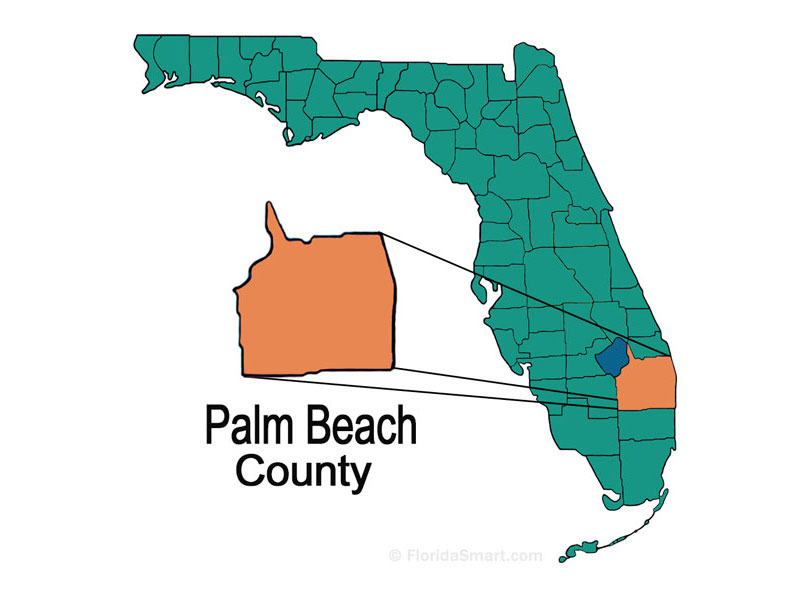
Florida is divided into 67 counties, each with its unique history, culture, and geographical characteristics. Prominent counties like Miami-Dade County, Orange County (home to Orlando), and Palm Beach County are well-established entities, each contributing to the state’s rich tapestry. The name “Palm County” itself evokes imagery strongly associated with Florida’s iconic palm trees and its numerous coastal areas. It’s a name that intuitively feels like it belongs, making its non-existence all the more surprising to those who haven’t delved into the specifics.
The prevalence of “Palm” in existing county names, most notably Palm Beach County, likely contributes to the confusion. Palm Beach County, situated on the southeastern coast, is renowned for its affluent communities, pristine beaches, and luxurious lifestyle. The association with palm trees is so strong that it’s easy to imagine a singular “Palm County” existing alongside it, perhaps encompassing a different region or a more generalized area.
The Genesis of Fictional Places
The emergence of a non-existent place like “Palm County, Florida” can often be attributed to several factors:
- Fictional Narratives: Authors and screenwriters frequently create fictional locations to serve the needs of their stories. A “Palm County” could offer a blank slate for character development, plot devices, or thematic exploration without being constrained by the real-world attributes of an existing place. It allows for creative freedom in depicting a specific type of environment, community, or social dynamic.
- Hypothetical Planning and Research: In academic or governmental contexts, hypothetical locations are sometimes used in studies, simulations, or planning exercises. Researchers might create a “Palm County” to model the impact of certain policies, environmental changes, or economic developments in a generalized coastal Florida setting. This allows for objective analysis without the complexities of real-world political boundaries or established infrastructure.
- Misinformation and Urban Legends: Occasionally, places can become the subject of misinformation or evolve into local “urban legends.” A misheard name, a forgotten geographical marker, or a speculative discussion could lead to the persistent belief in a place that never officially existed.
- Brand Naming and Marketing: While less common for official geographical entities, the name “Palm” is attractive for branding purposes. It’s conceivable that a development, a resort, or even a fictional company might adopt “Palm County” as part of its name, leading to its association with Florida in a non-official capacity.
Exploring the Real Florida: Regions That Evoke “Palm County”
While “Palm County” doesn’t exist, the idea of it strongly resonates with many real regions in Florida. When people imagine “Palm County,” they are often picturing areas characterized by:

The Treasure Coast
This stretch of Florida’s Atlantic coastline, north of Palm Beach County, encompasses counties like St. Lucie County, Martin County, and Indian River County. These areas are dotted with numerous palm trees, offer beautiful beaches, and maintain a slightly more relaxed pace than their more bustling southern neighbors. The name itself, “Treasure Coast,” hints at historical shipwrecks and a sense of discovery, aligning with the romanticized notion of a subtropical paradise.
The Southwest Gulf Coast
Moving to the other side of the state, the Gulf Coast region also features extensive palm groves and idyllic beach towns. Counties like Sarasota County, Lee County (including Fort Myers and Cape Coral), and Collier County (home to Naples) boast vibrant ecosystems, warm waters, and a lifestyle often associated with sunshine and leisure. The abundance of natural beauty here easily conjures images that could fit under a hypothetical “Palm County” banner.
Central Florida’s Coastal Influence
Even inland areas of Florida, particularly those not too far from the coast, often feature palm trees as a defining characteristic of their landscape. While not directly coastal, these regions might be imagined as part of a broader “Palm County” concept that extends beyond the immediate shoreline, encompassing a more generalized tropical or subtropical Florida experience.
Understanding the Nuance: Palm County vs. Palm Beach County
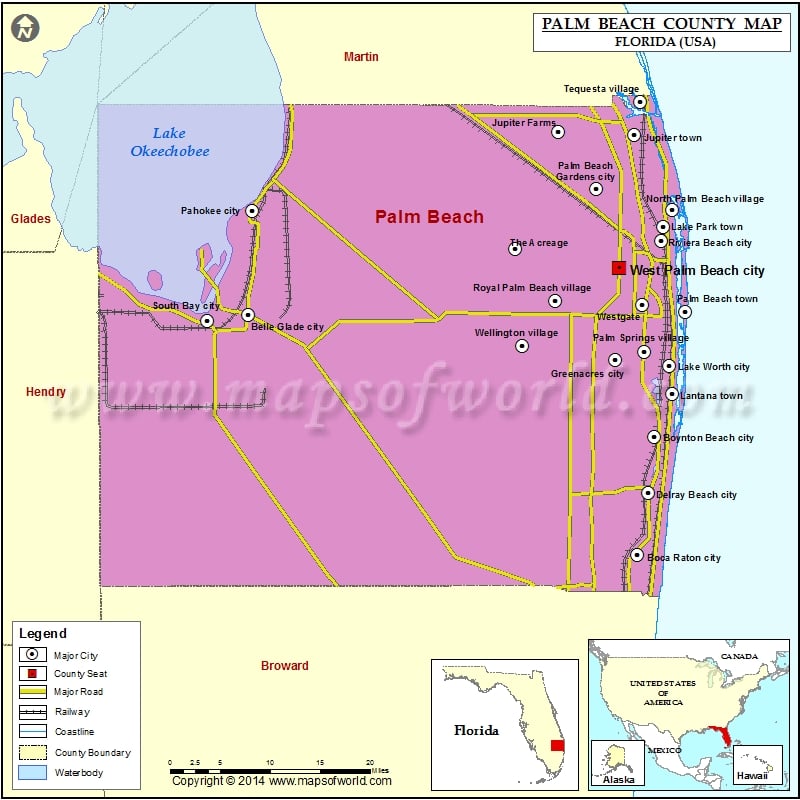
The most significant point of confusion often arises between the hypothetical “Palm County” and the very real Palm Beach County. Palm Beach County is a substantial administrative and geographical entity, a major destination for tourism and a significant economic hub. It includes iconic cities like West Palm Beach, the exclusive island of Palm Beach, and a host of other municipalities. When individuals think of a “Palm County” with luxurious resorts, pristine beaches, and a high-end lifestyle, they are very likely thinking of attributes and experiences found within Palm Beach County.
The distinction is crucial for anyone seeking accurate geographical information or planning a visit to Florida. Relying on the existence of “Palm County” for navigation or research would lead to dead ends. Instead, understanding the specific counties that embody the characteristics associated with such a name—namely Palm Beach County, the Treasure Coast, and the Southwest Gulf Coast—provides a clearer picture of Florida’s diverse and beautiful landscape.
Conclusion: A Name That Paints a Picture
The persistent query about “Palm County, Florida,” despite its non-existence, speaks volumes about its evocative power. The name itself conjures images of sunny skies, swaying palms, and relaxed coastal living—quintessential Florida imagery. It serves as a testament to how a name can create a strong mental impression, even without a physical or official counterpart. While you won’t find “Palm County” on any map, the essence it represents is abundant across the real, captivating counties of Florida, offering a wealth of destinations for travelers, researchers, and dreamers alike. Exploring the actual counties that embody this spirit will undoubtedly lead to fulfilling experiences and a deeper appreciation for the Sunshine State.
LifeOutOfTheBox is a participant in the Amazon Services LLC Associates Program, an affiliate advertising program designed to provide a means for sites to earn advertising fees by advertising and linking to Amazon.com. Amazon, the Amazon logo, AmazonSupply, and the AmazonSupply logo are trademarks of Amazon.com, Inc. or its affiliates. As an Amazon Associate we earn affiliate commissions from qualifying purchases.